Fellows München
Vanessa Arfelli, Dr.
Alterations of fatty acid metabolism and pharmacological counteraction in ZBTB7A deficient leukemia
ZBTB7A is a transcription factor frequently mutated in acute myeloid leukemia (AML) patients with t(8;21) translocation (which results in the RUNX1-RUNX1T1 fusion protein). We use CRISPR-Cas9 to knockout ZBTB7A and mimic these loss-of-function mutations in order to study ZBTB7A effect in metabolism. Our ultimate goal is to find metabolic drug targets for therapy. For that, we perform metabolic tracing by mass spec, metabolic flux assays, and treatment with several metabolic inhibitors. Besides, since ZBTB7A prevents RUNX1-RUNX1T1-mediated clonal expansion in vitro, we are interested in investigating the cooperation of ZBTB7A knockout and RUNX1-RUNX1T1 during leukemogenesis in a mouse model.
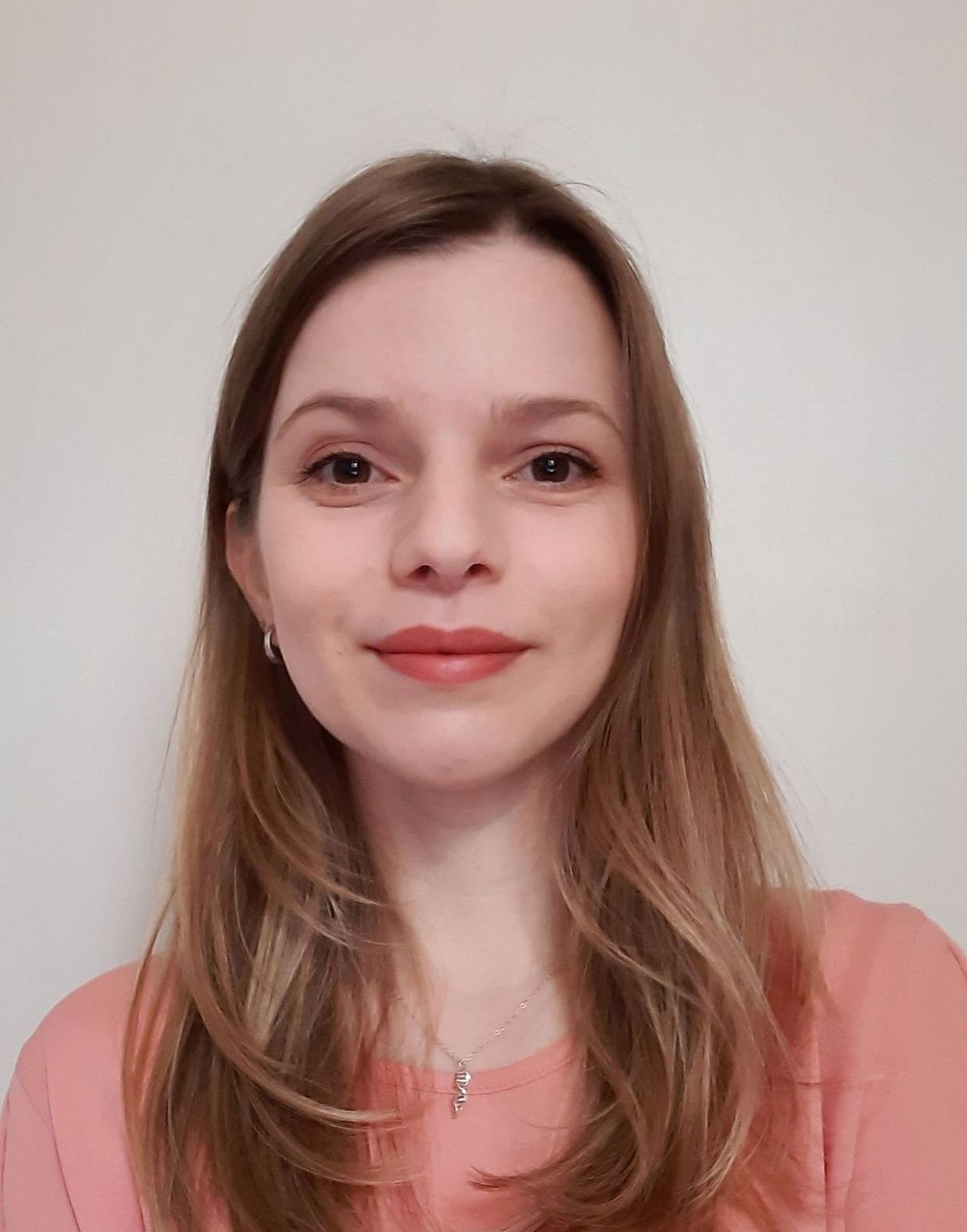
Experimentelle Leukämie- und Lymphom-Forschung (ELLF), Medizinische Klinik und Poliklinik III, Klinikum der Universität München, Munich
Pathogenesis of acute leukemia - AG Prof. Dr. med. Philipp Greif
Medizinische Klinik und Poliklinik III
Munich, Germany
E-Mail: vanessa.arfelli@med.uni-muenchen.de
Melissa Barroux, Dr. med.
Tumour evolution and immune microenvironment dynamics in response to neoadjuvant treatment in oesophagael adenocarcinoma
Patients with locally advanced oesophageal cancer (OAC) are treated with surgical resection and neoadjuvant chemotherapy or radiochemotherapy. However, 50% to 60% of tumours are resistant to neoadjuvant therapy, leading to an overall poor outcome with a 5-year survival of 12.6%. The ecological and evolutionary dynamics responsible for treatment failure are incompletely understood. In my research I perform a multi-omics study (whole exome sequencing, RNA-sequencing, T-cell receptor sequencing and image mass cytometry) with a multi-timepoint strategy to examine treatment response at clonal resolution and to investigate genetic and transcriptomic changes induced by neoadjuvant therapy in OAC patients. This project will provide fundamental insights into clonal dynamics, transcriptomic changes and dynamics of the microenvironment in response to neoadjuvant treatment in OAC patients, in order to provide fundamental insights into treatment response on the molecular level.
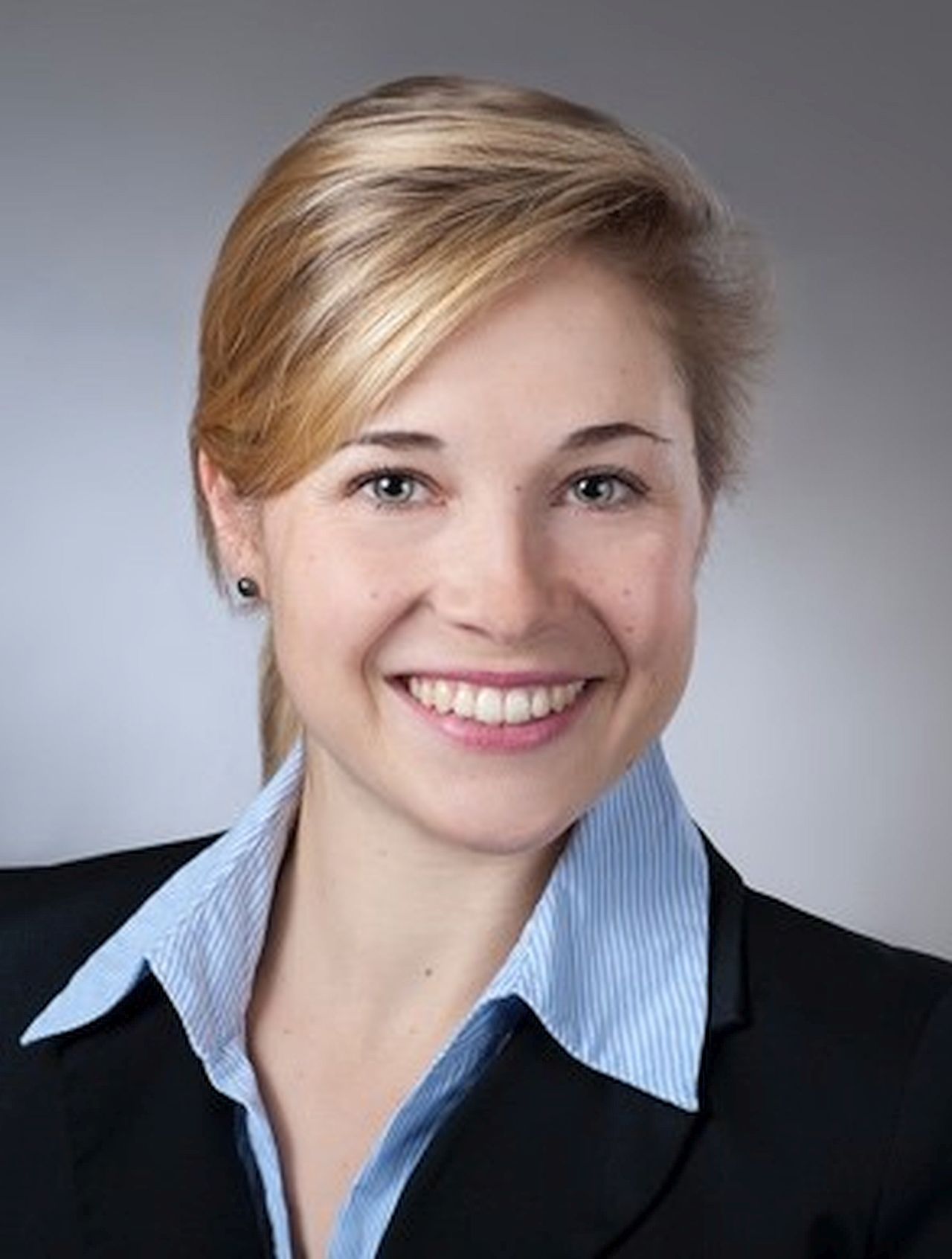
Department of Gastroenterology, Technical University Hospital, Munich
Munich, Germany
E-Mail: melissa.barroux@mri.tum.de
Lisa Fröhlich, Dr. rer. nat
Decoding transcriptional networks driving cell-state plasticity and therapy resistance in small cell lung cancer
Small cell lung cancer (SCLC) is a highly aggressive and metastatic malignancy with limited treatment options, largely relying on chemotherapy. The project focuses on understanding how transcriptional networks control cell identity, plasticity and therapy response in SCLC. A particular focus is the oncogenic transcription factor MYC and its interaction with the transcriptional regulator MIZ1, and how this axis shapes neuroendocrine cell states and influences sensitivity to therapy. By combining experimental approaches, including functional genomics, genome editing and multi-omics profiling, with computational and AI-based modeling of gene regulation, I aim to uncover mechanisms of therapy resistance and identify vulnerabilities that could enable novel targeted treatment strategies.
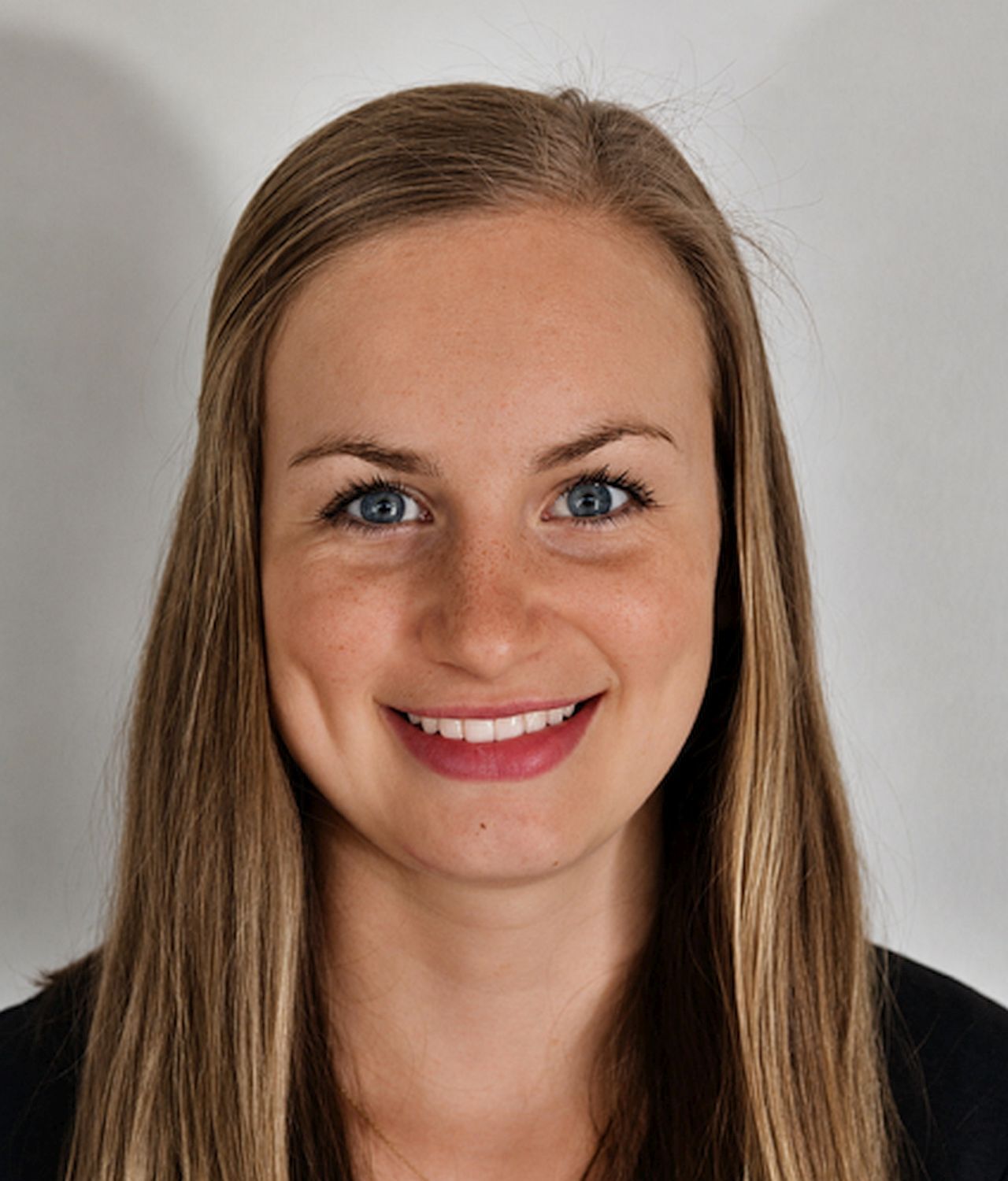
Abteilung für Translationale Onkologie, Medizinische Klinik und Poliklinik III, LMU Klinikum, Deutsches Krebsforschungszentrum (DKFZ)
Munich, Germany
E-Mail: lisa.froehlich@dkfz-heidelberg.de
Maximilian Funk, Dr. med. univ.
Metabolic features of high-risk multiple myeloma
The risk of progression and the response to therapy in multiple myeloma are determined by genomic risk factors including deletion of the tumor suppressor p53. Importantly, p53 is known to profoundly impact cellular metabolism. In our project, we will characterize the metabolic landscape of high-risk myeloma in cell line models and primary patient samples through metabolomic analyzes. We furthermore aim to identify underlying mechanisms and metabolite mediated effects on the tumor environment by employing transcriptomic technologies and functional assays. Ultimately our goal is to identify resistance mechanisms to established drugs and to discover novel therapeutic targets in multiple myeloma.
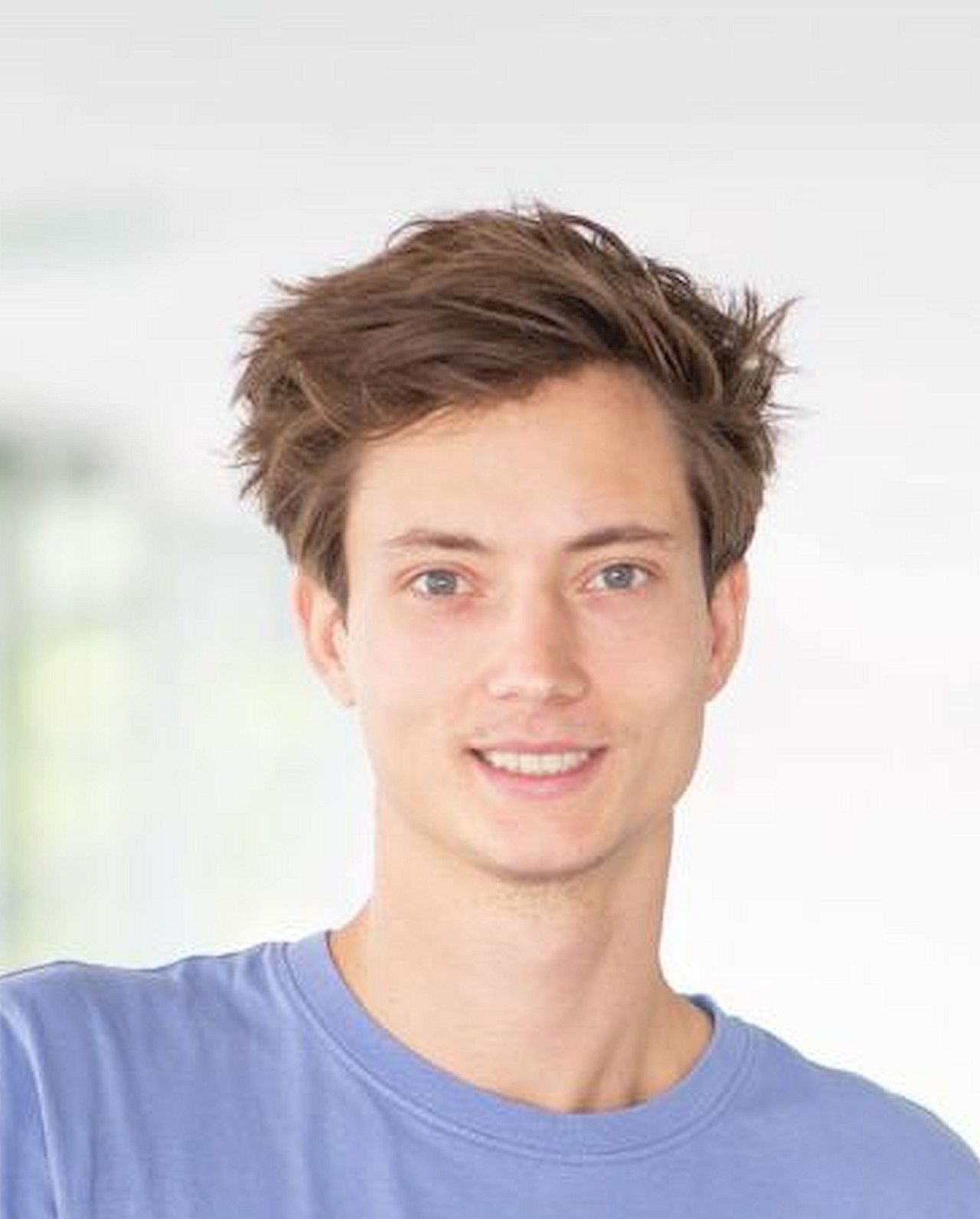
Department of Internal Medicine III
LMU Klinikum
Cancer- and Immunometabolism Research Group (CIM)
Genzentrum LMU
E-Mail: maximilian.funk@med.uni-muenchen.de
Hendrik Gaßmann, Dr. med., PhD
Identification of tumor-antigen specific T cell receptors for the treatment of pediatric cancers
Despite significant survival improvements, cancer ranges among the leading causes of deaths in children and young adults. Immunotherapy including adoptive T cell transfer emerges as promising therapeutic strategy in pediatric hematological and solid malignancies.
The short- and mid-term goals of the project are to identify and characterize T cell receptors (TCRs) in vitro and in preclinical models targeting overexpressed and shared antigens in pediatric cancers. The aim is to provide data for efficacy and safety of selected TCRs for further evaluation in phase I clinical trials.
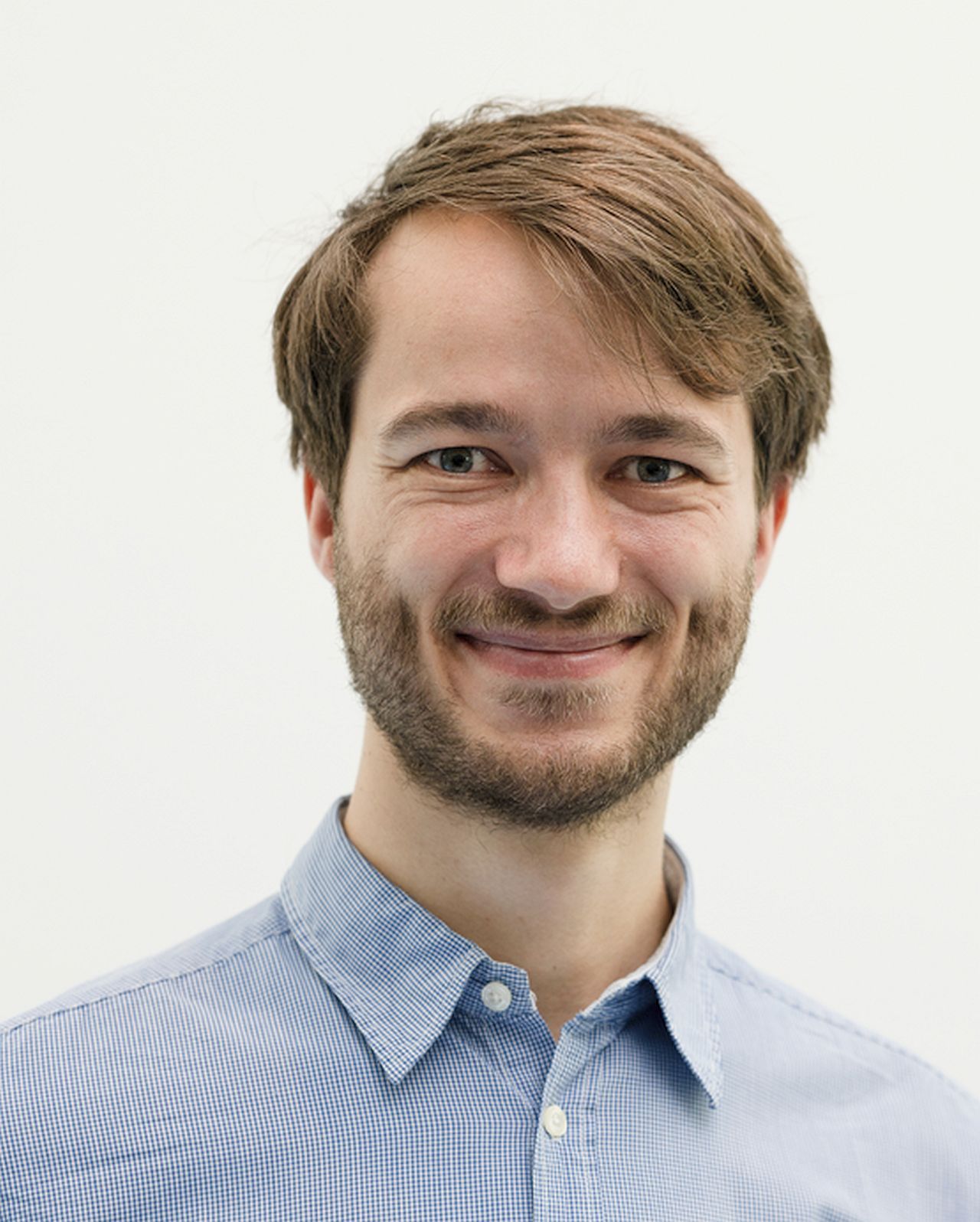
Kinderklinik München Schwabing, Klinik und Poliklinik für Kinder- und Jugendmedizin, Klinikum Schwabing und Klinikum Rechts der Isar (AöR) der Technischen Universität München
Munich, Germany
E-Mail: hendrik.gassmann@tum.de
Adrian Gottschlich, Dr. med.
Spatial transcriptomic-based dissection of tumor-infiltrating lymphocytes (TIL) for the improvement of immunotherapies and cellular therapies in pancreatic cancer
The field of artificial intelligence is rapidly expanding, providing novel insights into tumor biology. Single-cell RNA-sequencing (scRNA-Seq) for example can provide information of cell-to-cell interactions at an unforeseen resolution. However, one fundamental limitation of scRNA-seq is the loss of spatial information, which is known to influence prognosis and treatment response of certain cancers. Building on our previous successful investigations, we hypothesize that we can leverage spatially-resolved gene expression profiling to identify pivotal signaling pathways in tumor-infiltrating lymphocytes (TIL) and exploit these pathways for engineering of next-generation cellular therapies.
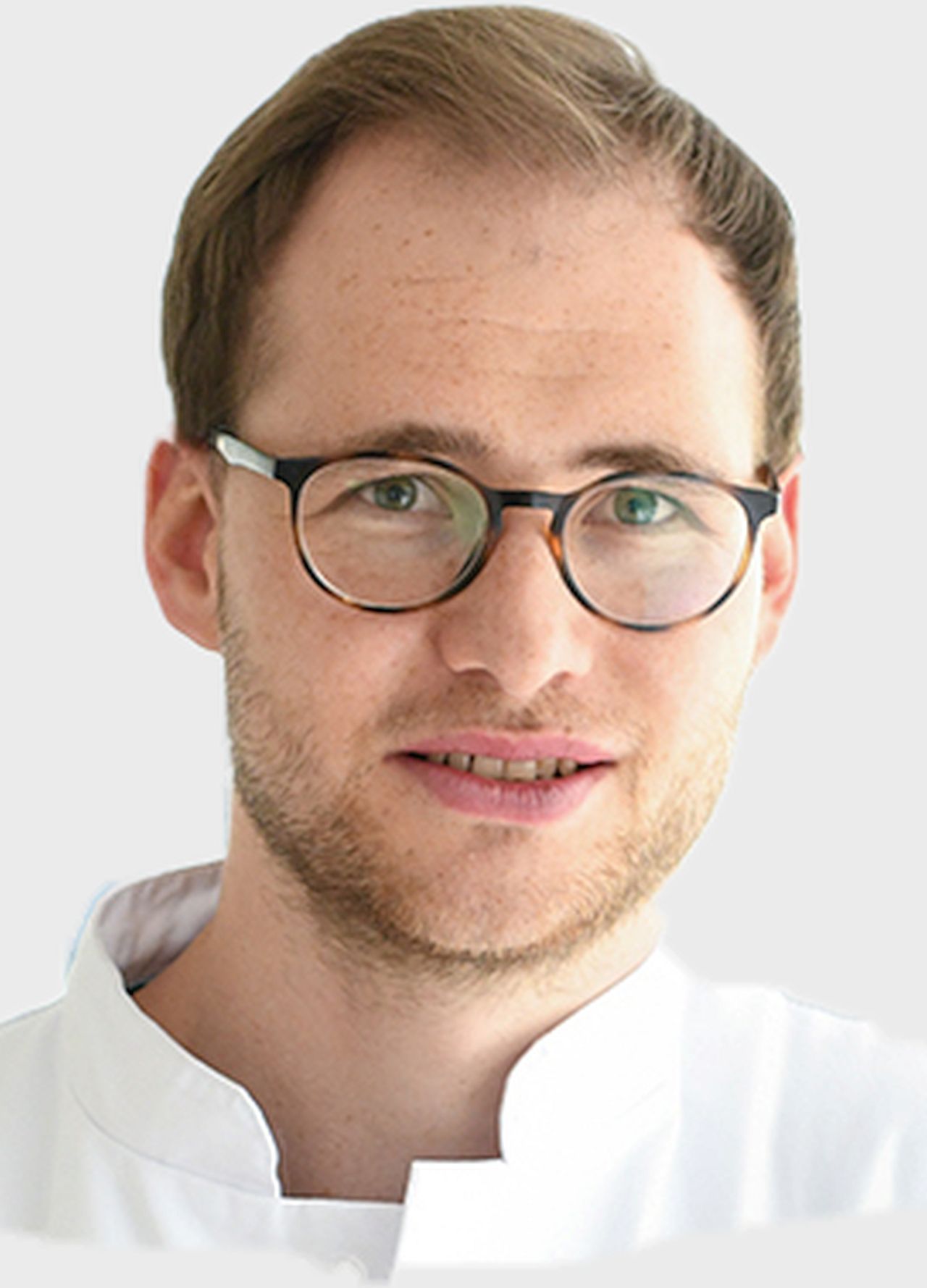
Abteilung für Klinische Pharmakologie
Medizinische Klinik und Poliklinik III, LMU Klinikum
Arbeitsgruppe Immunpharmakologie
Munich, Germany
E-Mail: adrian.Gottschlich@med.uni-muenchen.de
Christopher Kessler, Dr. med. sci.
OXPHOS-Dependent Radiosensitization of Patient-Derived Pancreatic Cancer Organoids
Pancreatic ductal adenocarcinoma is a highly lethal entity with poor prognosis. Neoadjuvant chemoradiotherapy aims to achieve resectability, but intrinsic radioresistance and hypoxia hinder therapeutical success. This project investigates whether inhibiting oxidative phosphorylation (OXPHOS) can enhance radiosensitivity by increasing intracellular oxygen levels. For a translational approach we are using patient-derived organoids, to assess the efficacy of OXPHOS inhibitors combined with radiation. We employ a range of techniques, including immunohistochemistry, cell viability assays, 3D fluorescence microscopy and RNA sequencing to characterize radiation response.
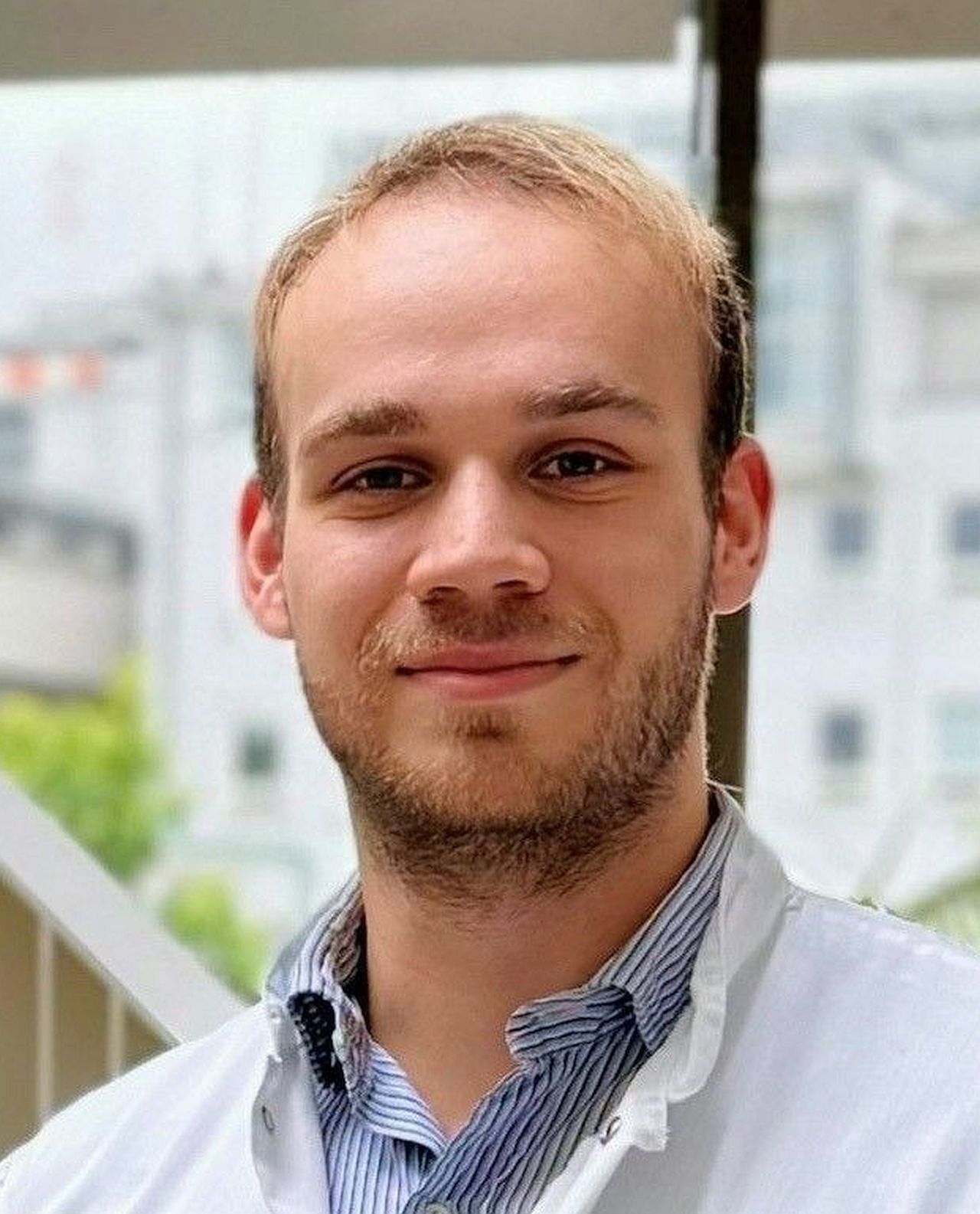
Working Group Personalized Radiobiology
Department of Radiation Oncology at the University Hospital rechts der Isar, Technical University of Munich
Munich, Germany
E-Mail: christopher.kessler@tum.de
Yizhu Li
DNA-targeted Click Chemistry for Precision Cancer Therapy
Our project develops a DNA-targeting click chemistry platform to selectively induce double-stranded DNA breaks in cancer cells. Using this modular nanomedicine approach, we aim to maximize tumor cell killing while minimizing systemic toxicity. We evaluate antitumor efficacy, immune activation, and biodistribution in preclinical models, with the goal of translating this targeted strategy into innovative therapies for hematologic and solid malignancies.
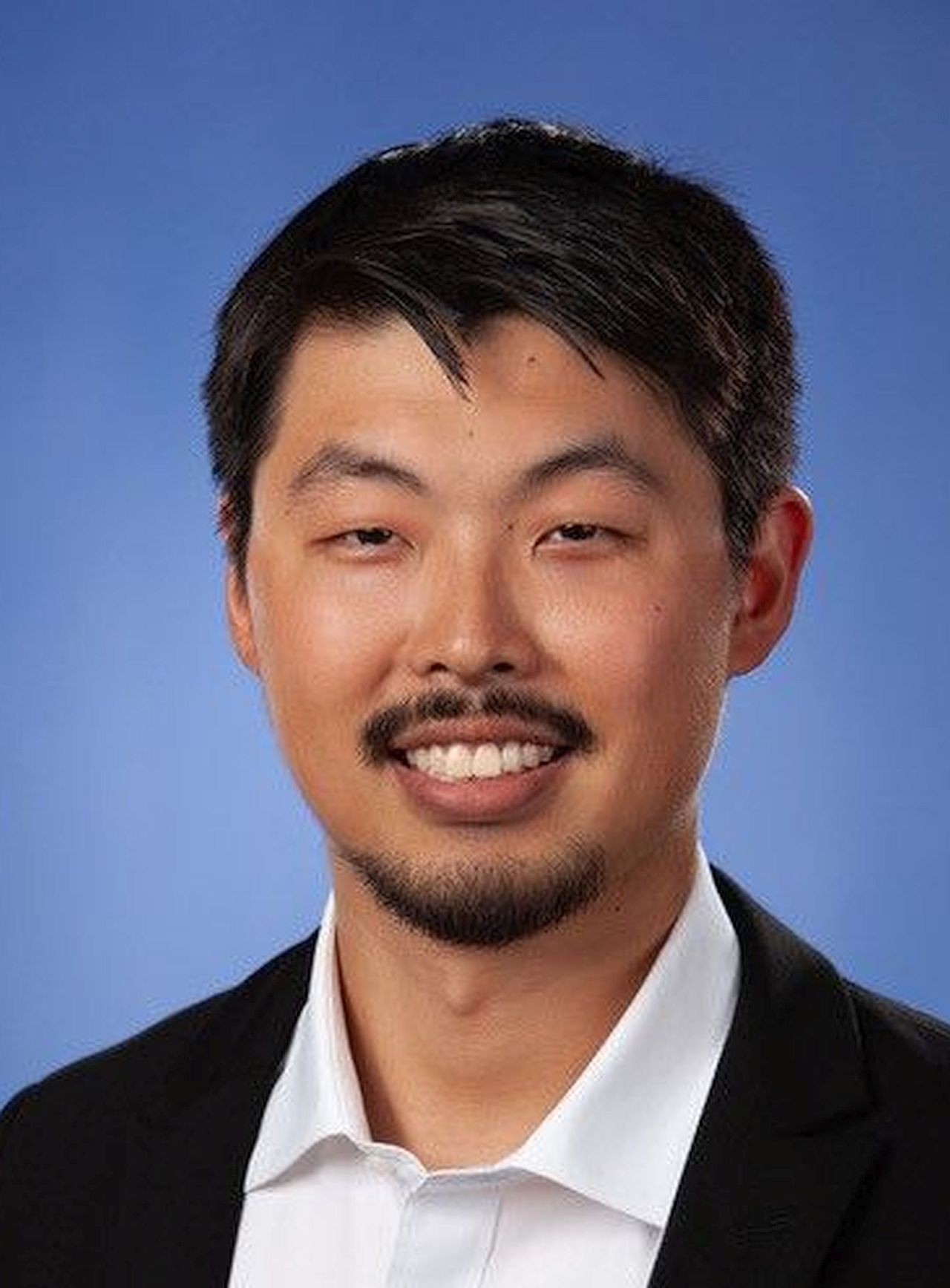
Department of Internal Medicine II – Gastroenterology, TUM Hospital
Munich, Germany
E-Mail: yizhu.li@tum.de
Giulia Magno
Understanding Inflammation-Driven Mechanisms of Resistance to T-Cell-Based Immunotherapies
CAR T cells and bispecific T-cell engagers have revolutionized the treatment landscape of B-cell malignancies. However, a substantial portion of patients still relapses, leading to dismal outcomes. In this setting, immune dysregulation has emerged as a critical driver of therapeutic resistance. Aim of this project is to further characterize the influence of inflammation-driven immune dysregulation on T-cell fitness. To test this, we will apply high-dimensional immune monitoring to define T-cell phenotypes, cytokine landscapes, and myeloid cell compositions in our cohort of r/r LBCL patients treated with bispecific T-cell engagers.
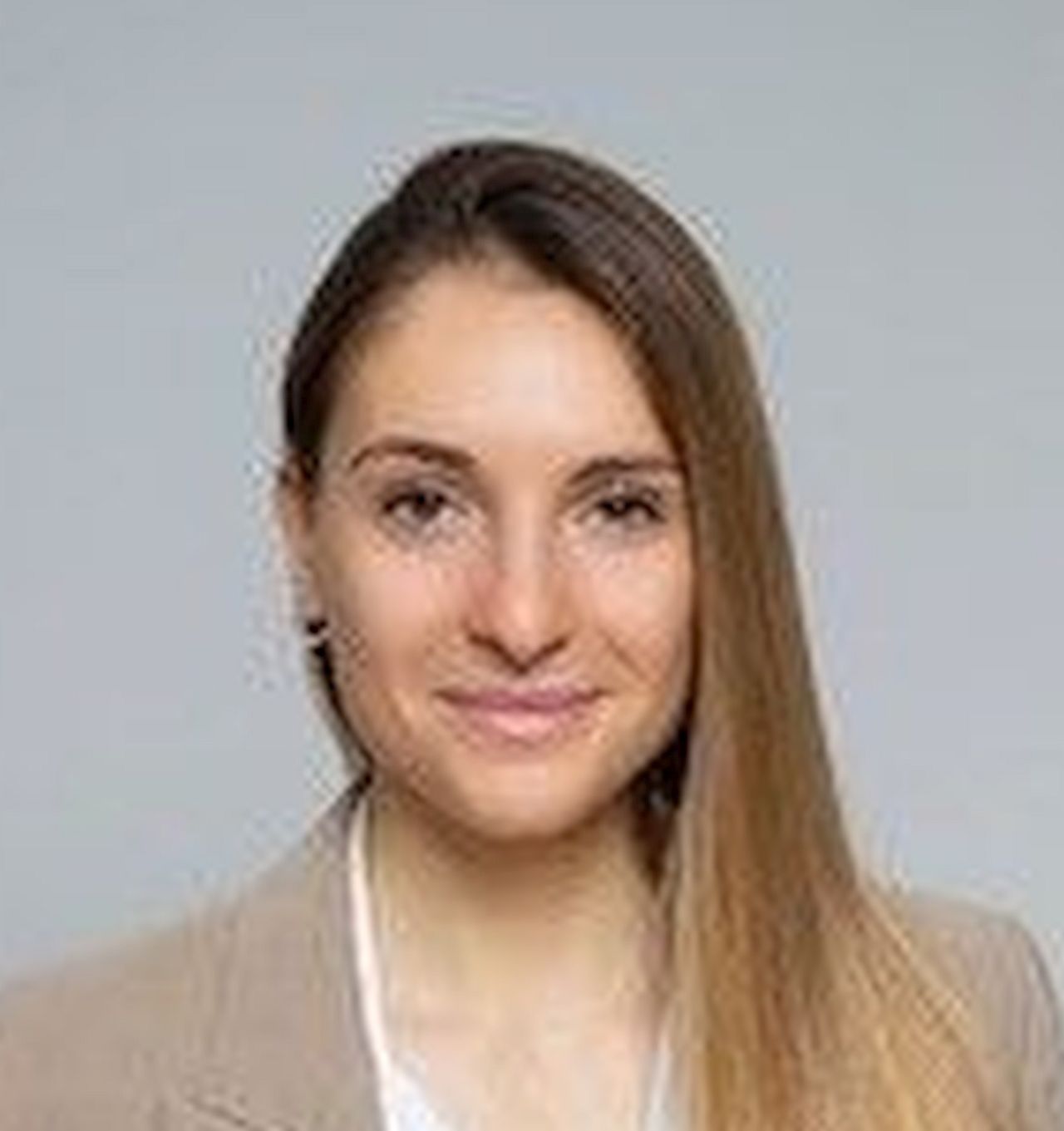
Department of Medicine III, LMU University Hospital
Munich, Germany
E-Mail: giulia.magno@med.uni-muenchen.de
Mai Nguyen
Development of a Fully Automated CTV Segmentation Model for Resection Cavities of Brain Metastases in a Multi-Center Patient Cohort
Automated clinical target volume (CTV) delineation for post-op brain metastasis radiotherapy remains challenging due to post-op changes and the complex structure of the dura mater. In this project, we are developing a deep learning–based workflow for automated segmentation of resection cavities and dura mater on postoperative T1c-MRI, followed by interactive guideline-based CTV generation. Using multicenter imaging data, we investigate anatomically constrained intra-parenchymal and adaptive dural margin expansion. The project combines artificial intelligence, image segmentation, and python-based geometric modeling to improve consistency and efficiency in radiotherapy treatment planning.
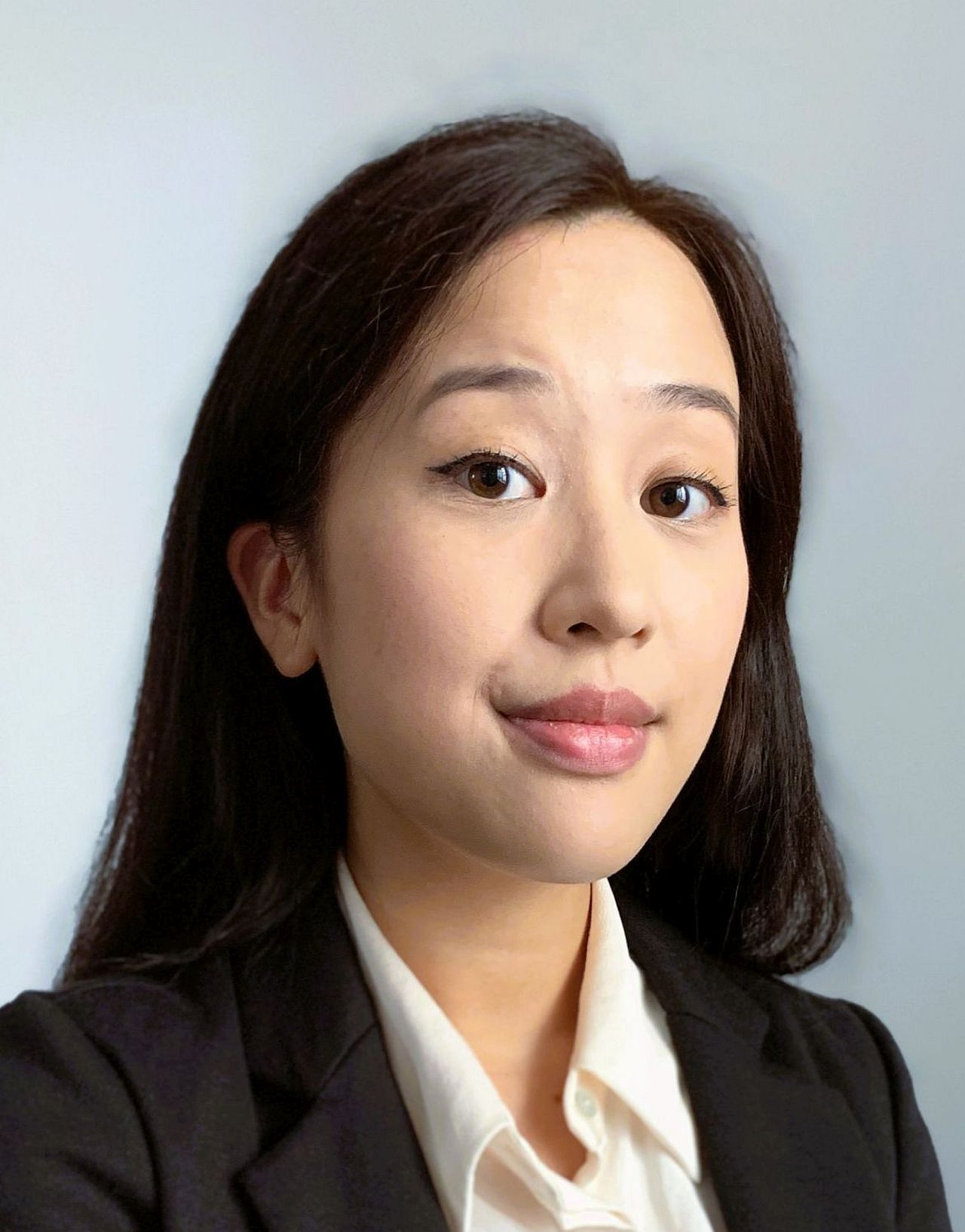
Working Group "Artifical Intelligence in Radiation Oncology"
Department of Radiation Oncology at the University Hospital rechts der Isar
Technical University of Munich
Munich, Germany
E-Mail: qm.nguyen@tum.de
Christian Rausch
Leveraging omics data for AML prognostication and prediction of therapeutic outcomes
Acute Myeloid Leukemias (AML) are malignancies affecting myeloid hematopoietic stem cells. The prognosis depends on underlying genomic, transcriptomic and epigenomic aberrations. Historically, genetic data have been leveraged to predict survival. Today, a much larger wealth of available data combined with the introduction of multiple new drug classes makes both the prediction of therapeutic outcomes and a data-based selection of the best possible therapy more complex. We aim to integrate multi-omic data from large cohorts of AML patients to better predict outcomes and aid therapeutic decision-making.
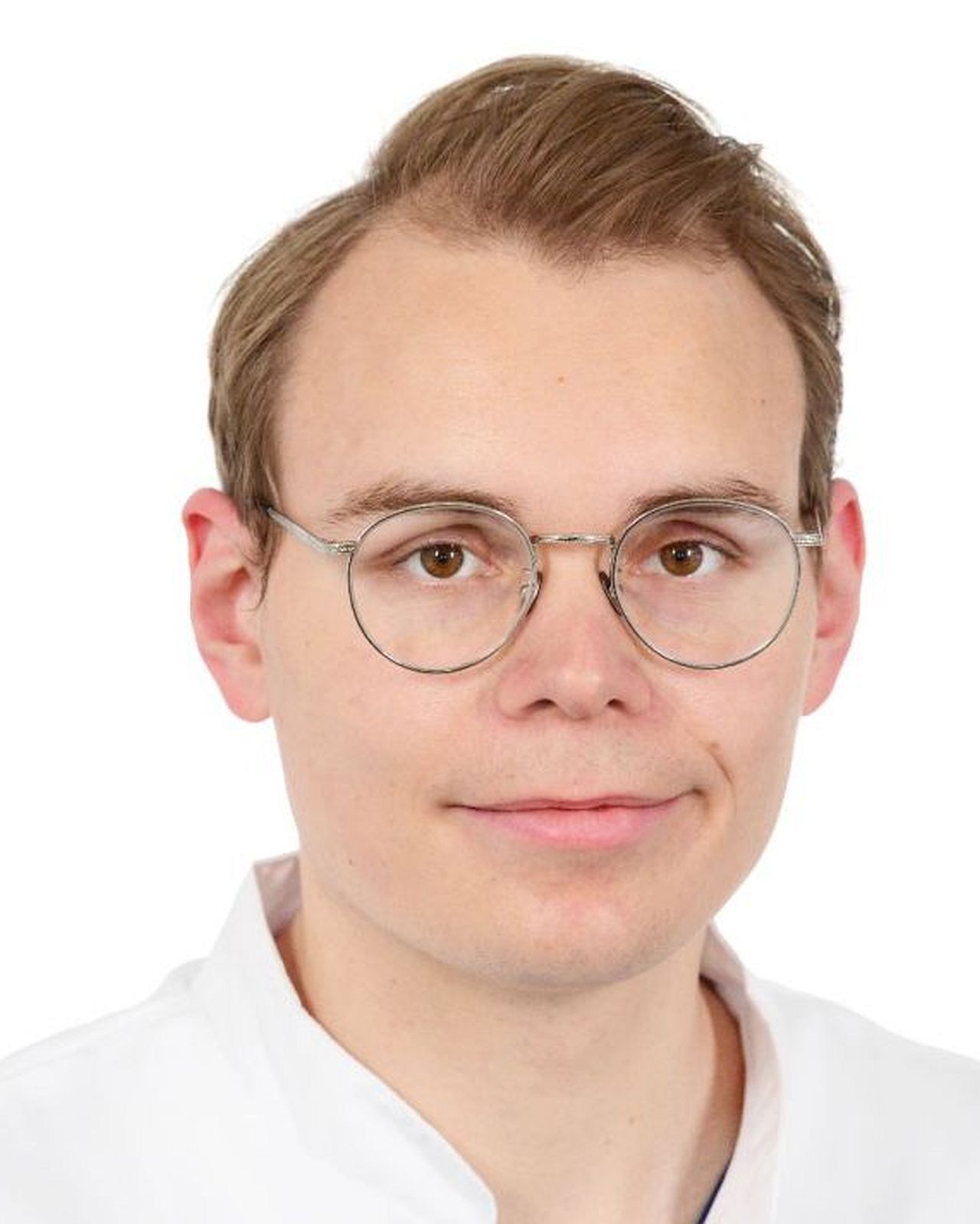
Department of Medicine III, LMU University Hospital, Munich
Munich, Germany
E-Mail: Christian.Rausch@med.uni-muenchen.de
Maximilian Roesel, Dr. med.
Deep learning-based retrieval of cancer histopathology
In pathology, pattern recognition relies on a well-developed frame of reference, yet it may fall short when encountering rare malignant subtypes. We are developing a scalable deep learning–based retrieval engine for pathology slides that enables targeted access to morphologically similar cases. Whole-slide images are processed into multi-scale patches and encoded using transformer-based models. Users can retrieve similar cases along with diagnostic codes and contextual data, facilitating rapid reference lookup and supporting differential diagnosis.
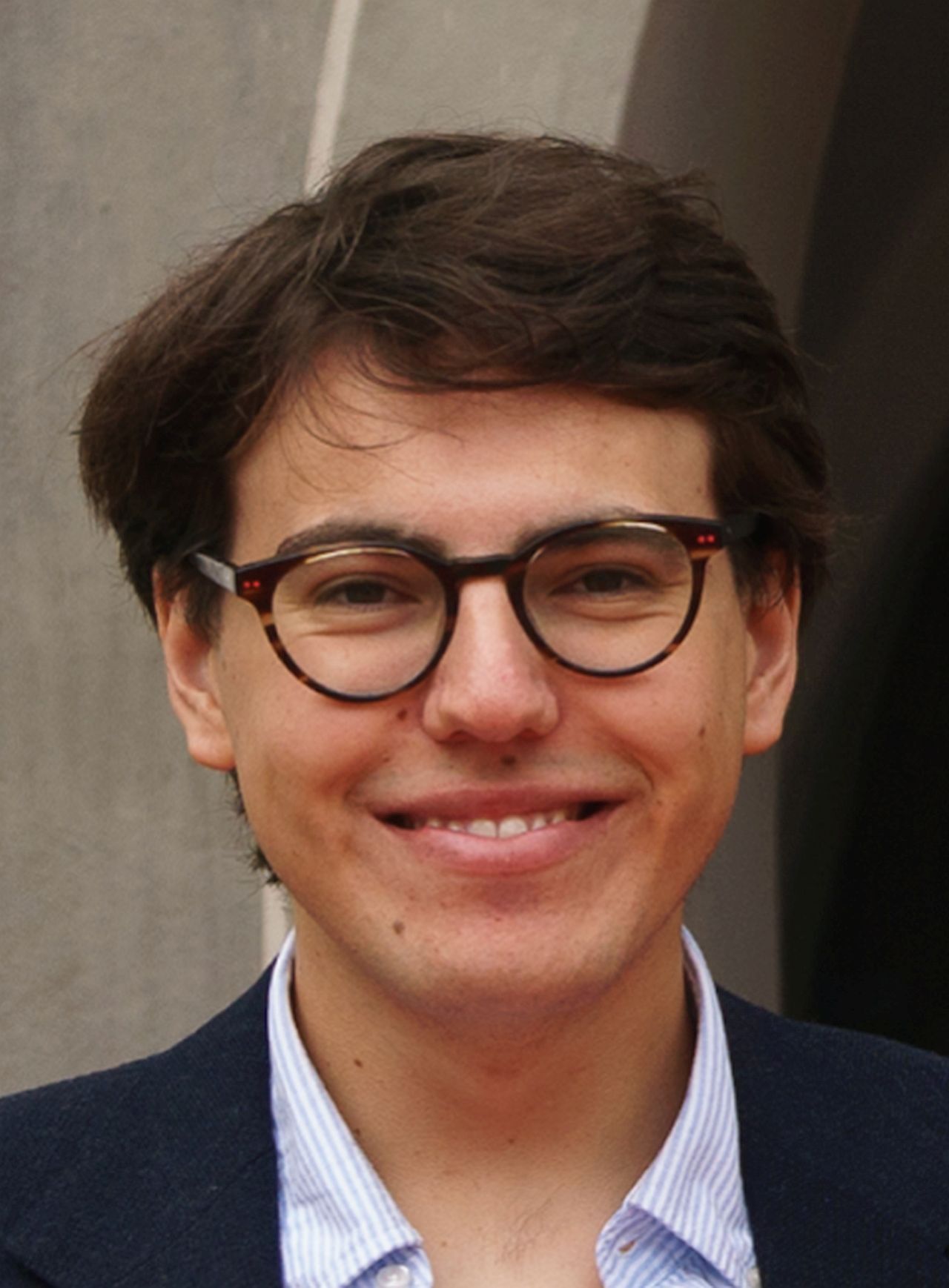
Institute of Pathology, Ludwig Maximilian University
Munich, Germany
E-Mail: maximilian.roesel@med.uni-muenchen.de
Anna Sax
Microbiome–Host Interactions in Colorectal Disease and Cancer
My research focuses on the functional interplay between the microbiome, tumor tissue, and the immune system in gastrointestinal cancers. Using spatial transcriptomics and 16S-FISH, I aim to identify microbiome-associated signatures directly within tissue and link them to histopathological features. Complementary organoid models are used to mechanistically investigate how dysbiosis influences tumor development and progression. The goal is to define predictive and prognostic microbiome-based markers with translational relevance.
Institut für Allgemeine Pathologie und Pathologische Anatomie der Technischen Universität München
Munich, Germany
E-Mail: anna.sax@tum.de
Martin Troßbach, Dr.
DKTK Organoid Platform; Droplet Microfluidics for PDO Culture
In Prof. Reichert’s group I am co-coordinating the establishment of the DKTK Organoid Platform with its first two use cases, NeoMatch and MetPredict. Both are prospective multicenter pilot trials: NeoMatch aims to confirm the ability of pancreatic cancer patient-derived organoids (PDOs) in forecasting response to neoadjuvant chemotherapy, and MetPredict the ability of colorectal cancer liver metastasis patient-derived organoids (CRC LM PDOs) in forecasting liver metastasis recurrence, respectively. Additionally, I am building a microfluidic workflow and aim to demonstrate its effectiveness in improving our current pipeline for generating PDOs of pancreatic ductal adenocarcinoma. Ultimately, this work will result in a better understanding of tumor heterogeneity and plasticity, as well as the interplay with the tumor microenvironment – major obstacles in successful treatment of PDAC, which to this day has a low 5-year-survival rate, despite our best efforts and recent advances. Moreover, breakthroughs relating to PDO model systems would most certainly be translatable to precision medicine applications with an even more direct impact on patients.
Klinik und Poliklinik für Innere Medizin II, Technical University of Munich
Munich, Germany
E-Mail: martin.trossbach@tum.de