Fellows Heidelberg
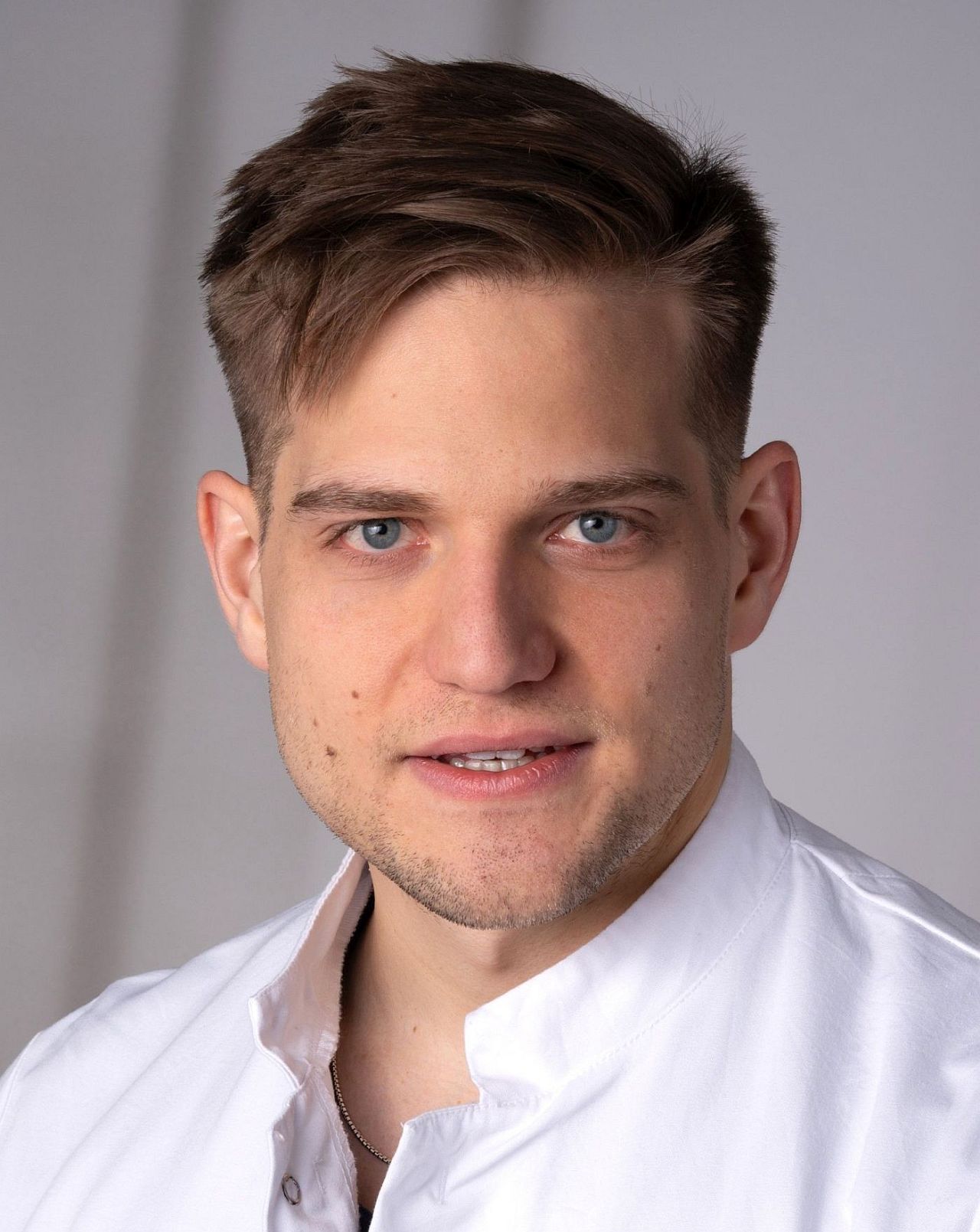
Fabian Allmendinger, Msc.
Preclinical model organisms to predict personalized radiation treatment for central nervous system cancer
Patient-derived in vitro models present a promising platform to predict the efficacy of different radiation modalities, including types and dosages, thus promoting personalized treatment planning in radiation oncology. Our aim is to tailor radiation treatment to the preserved tumor biology of individual patients, making it amenable to in-depth analyses. This approach may improve our molecular understanding of how radiation affects brain cancer cells through a comprehensive multi-omic approach and ultimately improve radiation effectiveness while mitigating side effects by optimizing radiation protocols.
Department of Radiation Oncology, University Hospital Heidelberg
Heidelberg Institute of Radiation Oncology (HIRO)
Heidelberg, Germany
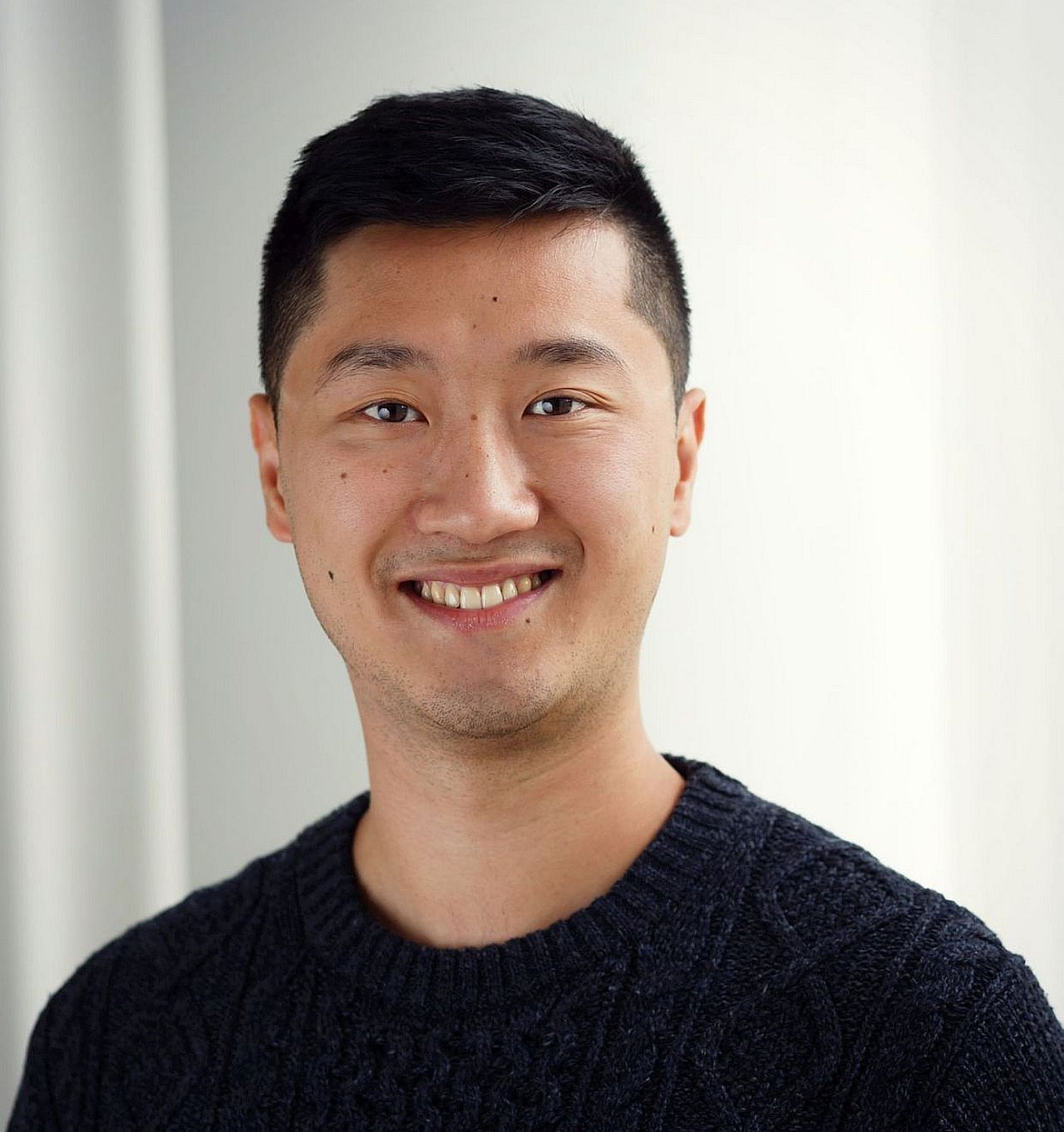
Maximilian Deng, Dr. med.
Molecularly-guided precision radiotherapy in patients with central nervous system tumors
The 2021 update of the WHO classification of central nervous system tumors has integrated comprehensive molecular findings into the diagnostic workflow, enabling a more accurate diagnostic process and risk assessment. Novel radiotherapeutic modalities using protons or carbon ions represent an auspicious therapeutic concept with an increased accuracy in dose delivery - while reducing the radiation dose for the surrounding organs at risk. Post-hoc integrated molecular-morphological scoring will identify patients at risk of progression, where proton- or carbon ion radiotherapy may be particularly beneficial, facilitating the path to a molecularly-guided treatment in patients with brain tumors.
Department of Radiation Oncology, University Hospital Heidelberg
Heidelberg Institute of Radiation Oncology (HIRO)
Heidelberg, Germany
E-Mail: Maximilian.deng@med.uni-heidelberg.de
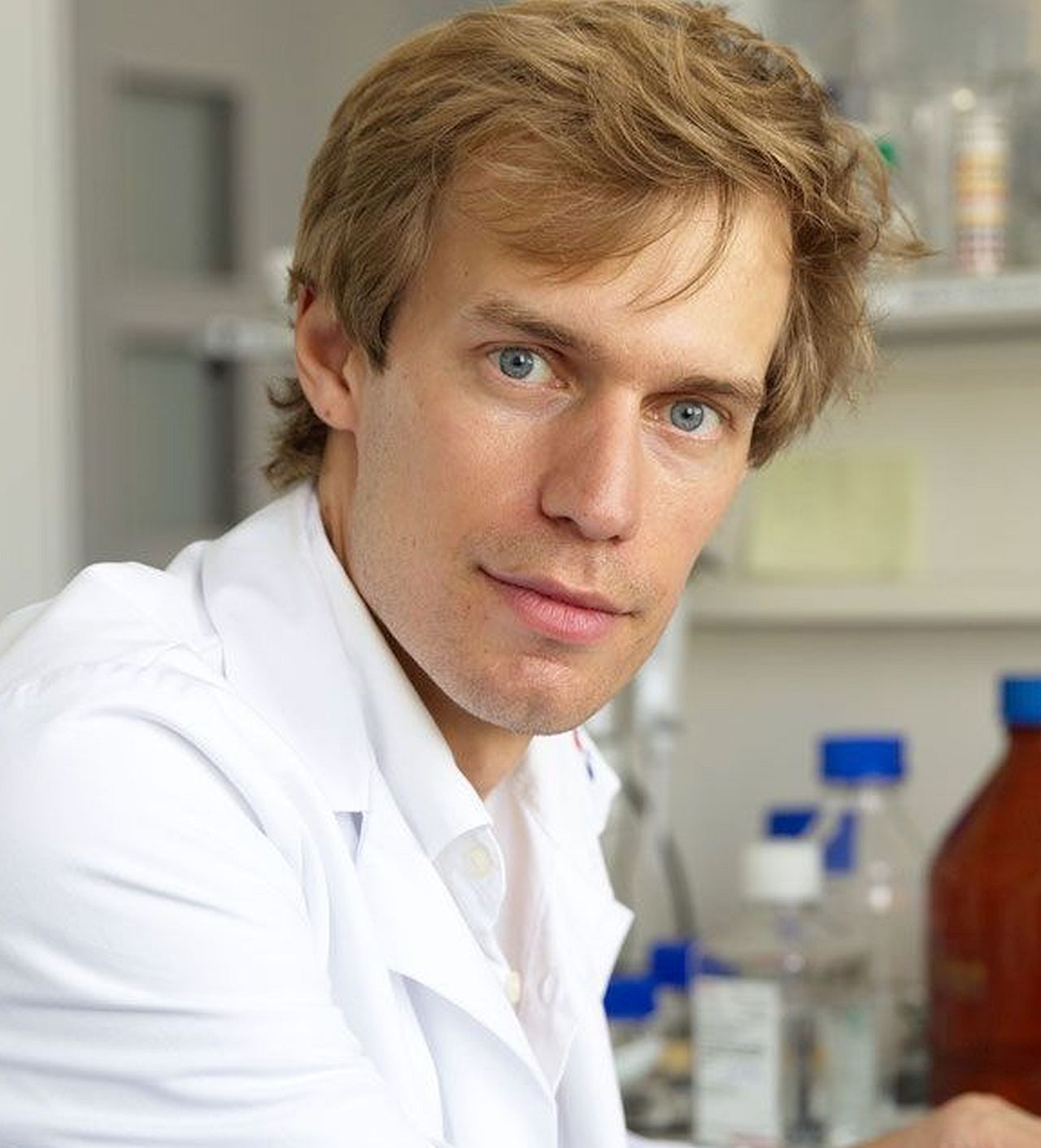
Niklas Graßl, Dr. med.
Neural stem cell ablation and gliomagenesis – towards a more natural glioma model in mice
Early evolution of primary central nervous system tumors is incompletely understood. In this research project I develop a mouse model that aims to fuel giomagenesis by an ablation of neural stem cells. Thus I hope to recapitulate the natural disease course more accurately with implications for our understanding of gliomagenesis and testing of therapies for CNS tumors.
Department of Neurology, University Medical Center Mannheim, Heidelberg University
CCU Neuroimmunology and Brain Tumor Immunology (Prof. Dr. Michael Platten), German Cancer Research Center
Heidelberg, Germany
E-Mail: niklas.grassl@dkfz-heidelberg.de
Antonia Schubert, MD
Novel strategies to analyze the role of Wnt-signaling in cancer
Deciphering the crosstalk of tumor cells and their surrounding stroma during cancer progression and metastasis is of highest importance to further optimize therapeutic strategies and prevent late recurrence. Wnt signaling governs cell faith and tissue polarity during development and aging. It was found dysregulated in various pathological processes and diseases such as cancer. This project aims to get further mechanistic insights into the complex Wnt-signaling networks using genome engineering and advanced imaging techniques that could lead to the identification of targets for earlier diagnostics and therapeutic intervention.

National Center for Tumor Diseases (NCT), Department of Medical Oncology and German Cancer Research Center (DKFZ)
Signaling and Functional Genomics (Prof. Dr. Michael Boutros)
Heidelberg, Germany
E-Mail: a.schubert@dkfz.de
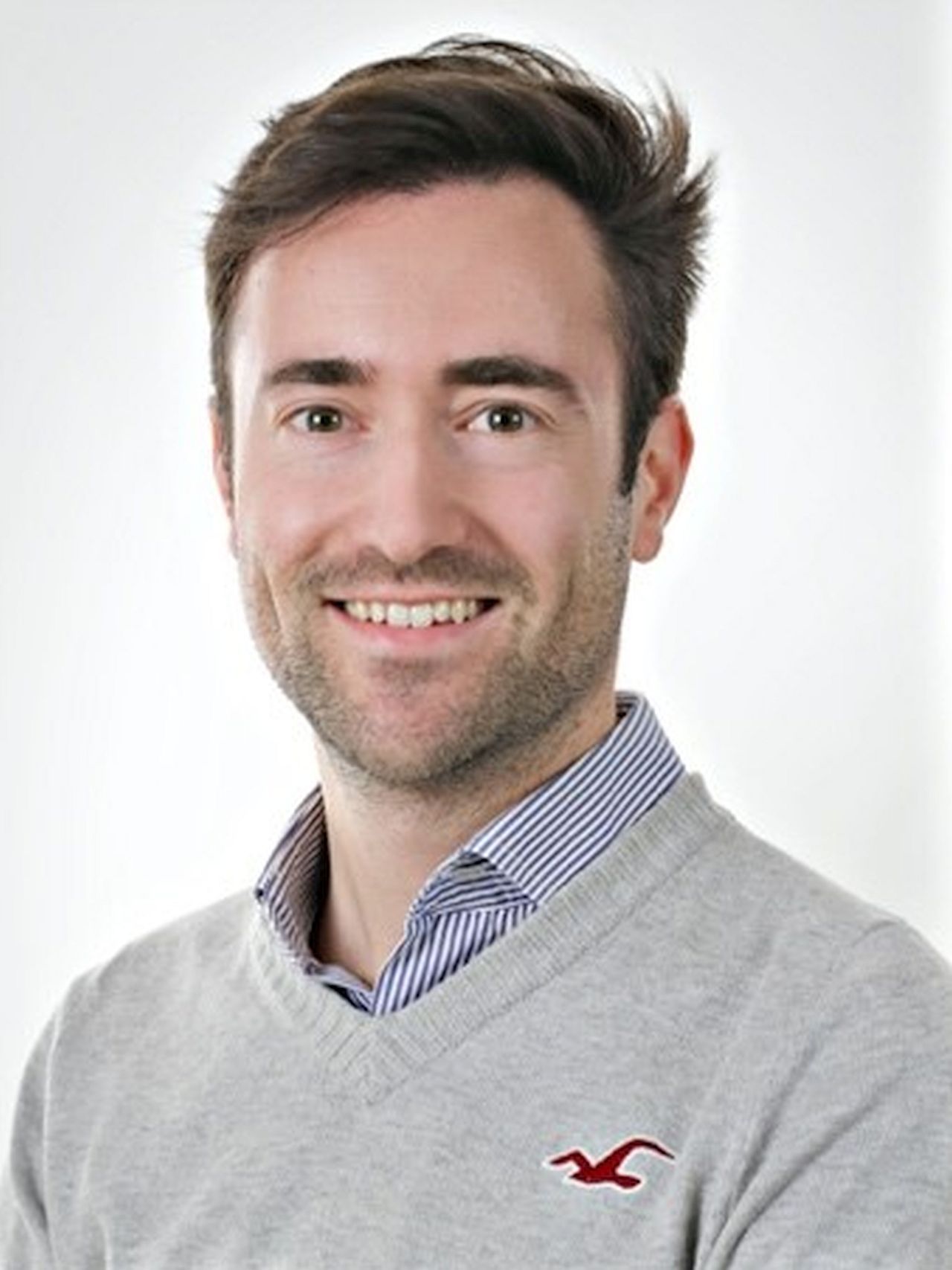
Roberto Würth, PhD
A liquid biopsies platform to study metastasis and to reveal individualized resistance mechanisms in breast cancer patient
tem cells sustain life through their ability to self-renew and regenerate tissues. Our work targets Cancer Stem Cells (CSCs) - mutated stem cells driving tumor growth, recurrence, and therapy resistance. We study how these malignant cells use plasticity to adapt and evade treatment, uncovering links between stem cell programs, tumor plasticity, and neuronal influence. Thereby, we're developing next-generation personalized precision therapies to stop CSCs to drive relapse and metastases.
https://www.dkfz.de/en/stammzellen-und-krebs/mitarbeiter.html
https://www.researchgate.net/profile/Roberto_Wuerth
https://www.linkedin.com/in/wuerth/
ORCID: 0000-0002-8156-6756
Division of Stem Cells and Cancer (A010, Prof. Andreas Trumpp)
German Cancer Research Center (DKFZ)
Heidelberg, Germany
E-Mail: r.wuerth@dkfz.de
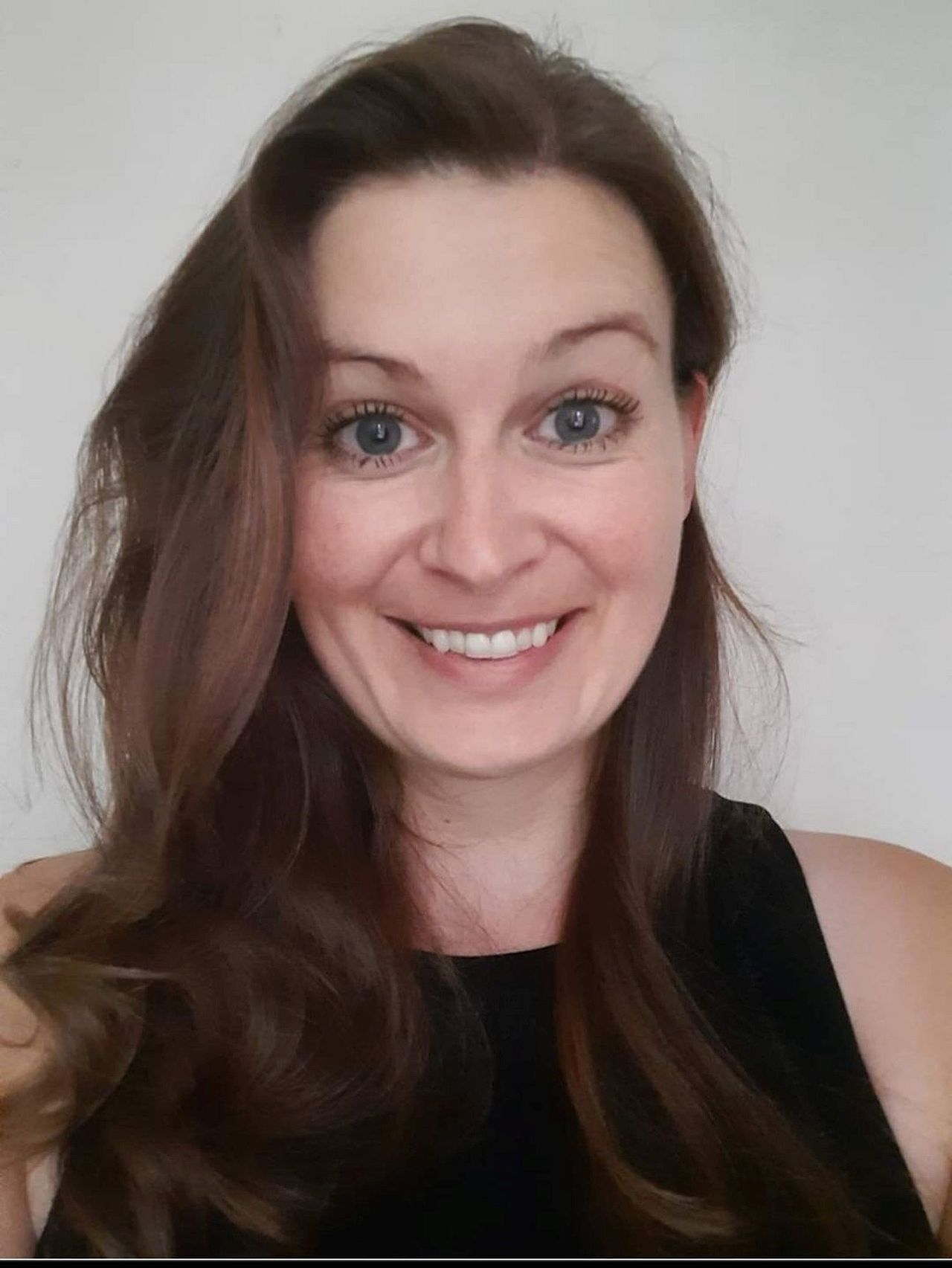
Franziska Ippen, Dr.
Intra-patient inter-tumoral evolution of human brain metastases – decoding cellular and subcellular characteristics in a spatial context
The evolutionary dynamics between primary tumors and brain metastases (BM), and their interactions with the tumor microenvironment under therapeutic pressure remain insufficiently characterized. This project aims to delineate the genetic and spatial heterogeneity of BM originating from lung cancer, breast cancer, and melanoma through single-cell sequencing and spatial transcriptomics. Integrating prior treatments, the study will assess intra- and inter-patient variability in cellular composition, immune landscape, and perivascular niche features. The aim of this project is to uncover molecular expression patterns, elucidate key aspects of the metastatic biology, identify prognostic biomarkers and actionable therapeutic targets.
Department of Neurology, University Hospital Heidelberg
Heidelberg, Germany
E-Mail: Franziska.Ippen@med.uni-heidelberg.de