Fellows Freiburg
Jatin Bedi, PhD
Investigating the consequences and therapeutic vulnerabilities of KDM6A and KDM6C mutations in Urothelial carcinoma
KDM6A and KDM6C, tumor suppressor genes on the X and Y chromosomes, are frequently inactivated in male bladder cancer. This project investigates their roles in bladder carcinogenesis. KDM6A often undergoes inactivating mutations, while KDM6C is inactivated through Y chromosome loss. These genes will be knocked in bladder cancer cells, followed by phenotypic assessment including proliferation, migration, invasion, as well as changes in chromatin modifications and protein interactions. Finally, utilizing chemical screening, we will identify synthetic lethalities with
gene loss, in hope of elucidation their role for potential therapies.

Department of Urology
Medical Center-University of Freiburg
Freiburg, Germany
E-Mail: jatin.bedi@uniklinik-freiburg.de
Ann-Christin Eder, PhD
Development and translation of novel theranostic hybrid molecules for pre-, intra-, and postoperative diagnosis and therapy of cancer
Our research is focusing on identifying new biomarkers for the classification of tumors, assessing metastasizing potential and monitoring therapy. In particular my group is working on the development of small molecule peptides with a strong focus on hybrid molecules suitable for preoperative imaging, intraoperative navigation as well as for targeted endoradiotherapy of different cancer types. Therefore, we are using innovative biological, biotechnological and chemical approaches to identify novel peptides to a variety of clinically relevant target structures. Our development pipeline comprises the identification of potential binders, their detailed preclinical characterization including imaging studies finally leading to clinical translation.

Head of Biotechnological Development and Preclinical Imaging, Division of Radiopharmaceutical Development, Department of Nuclear Medicine, University Medical Center
Freiburg, Germany
E-Mail: ann-christin.eder@uniklinik-freiburg.de
Matthias Fahrner, Dr. rer. nat.
In-depth proteogenomics of solid tumors to expand and complement routine molecular diagnostics and support personalized therapeutical strategies
Proteogenomics describes the integration of proteomics to multi-omics studies that integrate DNARNA-, and protein-level omics-data. In my research I apply in-depth proteogenomics on solid tumors to address two different aspects:
a) Corroboration of determined sequence variants (DNA or RNA-level) on the proteome level; an approach which may also yield information on the proteomic penetrance of said variants. Results may aid in prioritization of potential treatment schemes if there is co-occurrence of multiple variants with clinical implications.
b) Determine the impact of genomic aberrations on oncogenic signaling pathways; many genomic aberrations are linked to oncogenic signaling and proteomic approaches enable corroborative, direct probing of this impact.

Institute for Surgical Pathology
University Medical Center Freiburg
Freiburg, Germany
Melanie Föll, Dr. rer. nat.
Spatially resolved metabolomics and proteomics of solid tumors
My junior research group “MALDI imaging” investigates tumor tissue cohorts and organotypic tissue slice cultures by MALDI mass spectrometry imaging and complementary omics and imaging modalities. MALDI imaging derives hundreds of molecular distribution maps directly from thin tissue slices. We apply MALDI imaging of metabolites and peptides to investigate spatially resolved tumor biology and to derive spatio-molecular signatures with diagnostic and prognostic potential. Furthermore, we establish open-source analysis tools and workflows in the Galaxy platform and work towards standardization and reproducibility of MALDI imaging, which lays the foundation for future clinical applications.
Institute of Surgical Pathology
University Medical Center Freiburg
Freiburg, Germany
E-Mail: melanie.foell@uniklinik-freiburg.de
Avantika Ghosh
Systematic analysis of nonstop extension mutations in high throughput
Research in our group has shown that nonstop mutations are associated with cancer and are known to have a functional impact on protein expression and function. Our group has created the database NonStopDB, a comprehensive set of nonstop mutations in human cancer. In this project we aim to systematically analyse the functional impact of all non-stop extension mutations found somatically in human cancer in a pooled format using reporters and next generation sequencing.

Department of Thoracic Surgery – Division of Cancer Research, University
Medical Center Freiburg
German Cancer Consortium (DKTK), Partner Site Freiburg
Freiburg, Germany
Ezgi Özyerli Göknar, PhD
Deciphering Menin-MLL inhibitors to better target MLL/KMT2A-rearranged leukemia via combinatorial genetic and epigenetic targeting approaches
Targeting protein-protein interactions (PPIs) with small-molecule inhibitors has become a hotbed of modern drug development. In this project, we investigate effect of PPI inhibitors that block Menin from binding to MLL proteins. Menin acts as an essential cofactor for MLL/KMT2A-rearranged leukemia. Menin-MLL inhibitors have recently entered phase I/II clinical trials for treating MLL/KMT2A translocated or NPM1 mutant leukemia. Understanding the complete mechanism of action of Menin-MLL inhibitors as well as developing novel epigenetic/ genetic combinatorial treatment strategies to better eradicate MLL-rearranged leukemia are main objectives of the project.
Department of Urology
Medical Center-University of Freiburg, DKTK partner site Freiburg
Freiburg, Germany
E-Mail: ezgi.oezyerli.goeknar@uniklinik-freiburg.de
Linda Gräßel, MD
Impact of CD30-mediated immune response in T-cell-lymphomas
The aim of this project is to get a better understanding of CD30-axis in disease progression in ALK-induced T-cell lymphomas with focus on immune response, immune escape mechanisms like immunoediting, involved pathways and other immune evasion mechanisms.

Department of Hematology, Oncology, and Stem Cell Transplantation
University Medical Center Freiburg
Freiburg, Germany
E-Mail: linda.graessel@uniklinik-freiburg.de
Stefanie Kreutmair, MD
The immune environment of acute myeloid leukemia
Acute myeloid leukemia (AML) is the most common hematologic malignancy in adults. It is characterized by poor outcome with an overall 5-year-survival of only 50% in young patients and 20% in elderly patients. As the curative potential of allogeneic hematopoietic stem cell transplantation is dependent on immunotherapeutic effects (graft-versus-leukemia effects), immune evasion seems to play a pivotal role in the pathogenesis of AML. A comprehensive research program using highdimensional single cell cytometry combined with bioinformatic analyses represents a powerful tool to gain deep and unbiased insights into the immune signatures of AML patients. Immune patterns that predict response may be integrated into the stratification of AML, particularly in the absence of predictive genetic markers. To verify the impact of the identified signatures, detailed functional analyses of patient mononuclear cells will be performed in vitro to investigate the effect of cell-intrinsic and -extrinsic alterations on anti-AML immunity. The ultimate goal is to identify novel stratifying biomarkers and/or therapeutic targets to overcome immune evasion of AML cells and achieve improved patient outcome.

Experimental Immunology
University Zürich
Zürich, Switzerland
E-Mail: stefanie.kreutmair@usz.ch
Carla Schmidt, Dr.
Discovering non-canonical driver mutations in cancer in high-throughput using endogenous models
Most point mutations found in cancer are functionally uncharacterized and hence cannot be exploited for patient stratification and therapy decisions. Current approaches to study mutations endogenously are time-consuming and lack the possibility for high-throughput. In this project, we focus on the introduction of comprehensive libraries of targeted mutations endogenously into the cell genome using innovative CRISPR-derived tools to assess their functional impact and their impact on therapy response and resistance.
Department of Thoracic Surgery – Division of Cancer Research, University Medical Center Freiburg
German Cancer Consortium (DKTK), Partner Site Freiburg
Freiburg, Germany
E-Mail: carla.schmidt@dkfz-heidelberg.de
Georg Vladimirov
Characterization and Molecular Targeting of Patient-derived Organoids
This project aims at achieving a comprehensive understanding of pancreatic ductal adenocarcinoma (PDAC) at both the single-cell level and through patient-derived organoids. To deconvolute the heterogeneity of the tumor and its microenvironment, single-cell RNA sequencing will be performed on biopsy samples from primary PDAC patients. In parallel, these biopsies will be used to establish patient-derived organoids (PDOs), which can be used as a model system to predict patient response to chemotherapeutic agents and targeted therapies. The rapid development of chemoresistance poses a substantial challenge in the treatment of PDAC patients. To address this, we plan to continuously expose PDOs to sub-lethal doses of chemotherapeutic drugs over an extended period to induce chemoresistance in vitro. Through a multi-omics approach, including whole genome sequencing (WGS), RNA sequencing, and metabolomics, we aim to identify the molecular mechanisms driving chemoresistance, providing potential targets for overcoming resistance.
AG Börries, Institute of Medical Bioinformatics and Systems Medicine, University Hospital Freiburg
Freiburg, Germany
E-Mail: georg.vladimirov@uniklinik-freiburg.de
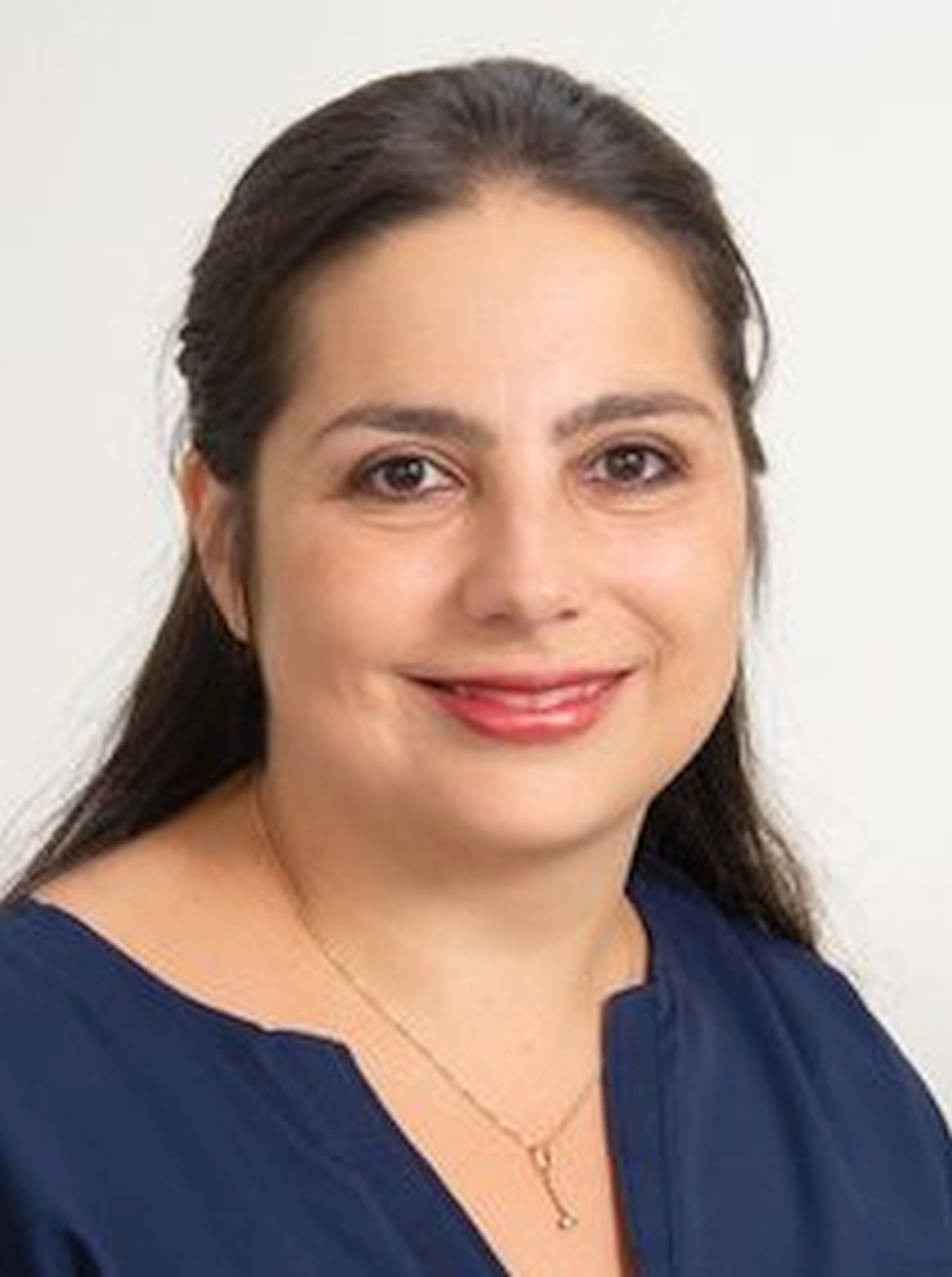
Ella Levit Zerdoun, PhD
1. Genotypic and phenotypic characterization of patient-derived melanoma cell lines
Based on a transcriptome analysis, the aim of this project is to characterize the phenotypic properties of the four individual malignant melanoma cell lines, such as cell survival, proliferation, migration, and invasion. Furthermore, we are studying the underlying mechanisms, which effectuate the phenotype of the melanoma cell lines. Therein, we mainly focus on the MAPK/ERK or PI3K pathways, components of which are frequently mutated and thus are often constitutively active in cancer cells, driving their development and enhanced survival.
2. Identification of early detection markers in pancreatic ductal adenocarcinoma (PDAC)
The aim of this project is to establish an early genetic classifier of PDAC based on a meta-analysis of independent studies. In combination with system biology and bioinformatics approaches, it is our aim to identify early markers of PDAC in patient-derived samples (eg. liquid biopsies). This may allow the differentiation of PDAC from early pancreatic intraepithelial neoplasia (PanIN), pancreatitis, and healthy tissues. In a parallel approach, we seek to inactivate the classifier genes in established PDAC cell lines and to assess the effects of the inactivation on the functionality of these cells.
Institut für Medizinische Bioinformatik und Systemmedizin, Medizinische Fakultät, Albert-Ludwigs-Universität Freiburg
Arbeitsgruppe Boerries für Systembiologie und Systemmedizin
Institut für Molekulare Medizin und Zellforschung, Albert-Ludwigs-Universität Freiburg
E-Mail: l.zerdoun@dkfz-heidelberg.de
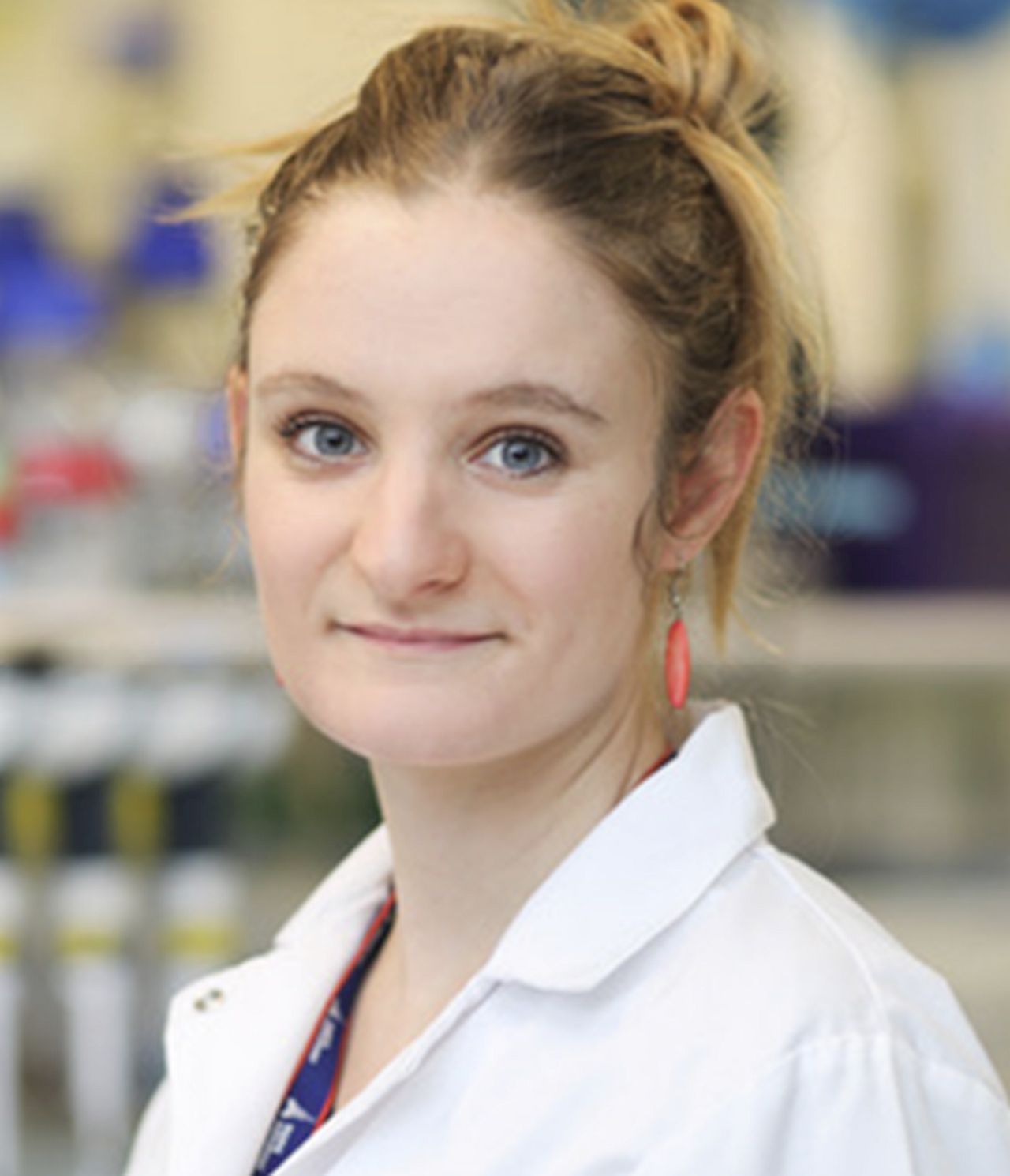
Solène Besson, Dr.
Developing a Standardized Immune Profiling Pipeline for Classifying Hepatocellular Carcinoma Patients to Guide Personalized Treatment Strategies
Our research aims to improve immunotherapies in Hepatocellular Carcinoma (HCC). We recently defined spatial immunotypes of HCC patients using Imaging Mass Cytometry (IMC) on diagnostic biopsies that correlates with therapy outcome. Although our immune profiling analysis pipeline is highly advanced, it needs to be simplified and standardized for clinical use so that it can be routinely applied to diagnostic biopsies from HCC patients. Moreover, we seek to understand how different immunotherapies impact therapeutic outcome, how they are connected to the tumor microenvironnement and the peripheral immune response.
Klinik für Innere Medizin II, TEXIMMED2-FR (Translational Experimental Immunology lab), Universitätsklinikum Freiburg
AG Prof. Dr. Dr. Bengsch
Freiburg, Germany
E-Mail: solene.besson@uniklinik-freiburg.de
Georg Kastner
HematoTrac - Environmental impact of spatiotemporal trajectories from intratumoral hematopoietic stem-cell differentiation
Glioblastoma is the most aggressive and also the most common form of malignant primary brain tumor. The tumor microenvironment (TME) of glioblastoma comprises a complex network of both tumor and non-tumor cells that tends to be immunosuppressive and unresponsive to immunotherapies. Tumor-associated hematopoietic stem and progenitor cells (HSPCs) have been found to be positively linked to glioblastoma progression. As a young mathematician in the HematoTrac project, I aim to trace transcriptional and epigenetic trajectories of HSPCs in the glioblastoma TME using multi-omic analysis at single-cell and spatial resolution.

Klinik für Neurochirurgie, Universitätsklinikum Freiburg
DKTK Standort Freiburg
Freiburg, Germany
E-Mail: georg.kastner@uniklinik-freiburg.de
Elena Grabis
Decoding the Spatial Architecture of Integrated Electrophysiological and Transcriptomic Diversity in Malignant Brain Tumors
Glioma cells integrate into neural circuits by forming neuron-glioma synapses, which shape a distinct tumor-associated microenvironment and drive tumor progression and therapy resistance. Using high-density electrophysiology, spatial transcriptomics, and functional imaging on human glioma tissue, we map these interactions and the molecular landscape of highly connected brain regions. By integrating electrophysiological, molecular, and transcriptomic data, we gain multiperspective insights into glioma–neuronal crosstalk and aim to identify therapeutic strategies to disrupt these tumor-supportive networks and ultimately improve patient outcomes
.

MILO Lab, University Hospital Freiburg
Department of Neurosurgery
Freiburg, Germany
E-Mail: elena.grabis@uniklinik-freiburg.de
Annika Metzner
Impact of FGFR2 mutation on targeted therapy response and downstream signaling
Fibroblast Growth Factor Receptors (FGFRs) regulate cell proliferation, migration, survival, and downstream signaling, with genetic alterations driving tumorigenesis and influencing treatment response. This project investigates FGFR2 mutations, including both activating and resistance-conferring variants, to determine their impact on sensitivity to FGFR inhibitors such as Lenvatinib and Erdafitinib, downstream pathway activation, and co-occurring alterations. Through saturation mutagenesis and high-throughput functional screening, we aim to comprehensively map mutation-specific signaling dynamics and drug responses, advancing precision therapies for FGFR-driven cancers.

Department of Thoracic Surgery – Division of Cancer Research, University Medical Center Freiburg
German Cancer Consortium (DKTK), Partner Site Freiburg
Freiburg, Germany
E-Mail: annika.metzner@dkfz-heidelberg.de
Lauritz Miarka, Dr.
Mapping the spatial organization and multicellular interactions of myeloid cell states in human central nervous system lymphoma
Central nervous system B cell lymphomas are highly aggressive yet often untreatable: high-dose chemotherapy cures some, but toxicity excludes many patients and relapse is usually fatal. Immunotherapies work well for B cell lymphomas outside the brain but translating them to the CNS is complicated by the brains opaque immune microenvironment. I will create a high dimensional spatial map of CNS lymphomas, focusing on the functionally diverse myeloid cell compartment that may drive immunotherapy response, resistance and neurotoxicity, to guide safer, precise immunotherapies.

Institute of Neuropathology (Prof. Dr. Marco Prinz),University Medical Center Freiburg
Freiburg, Germany
E-Mail: lauritz.miarka@uniklinik-freiburg.de
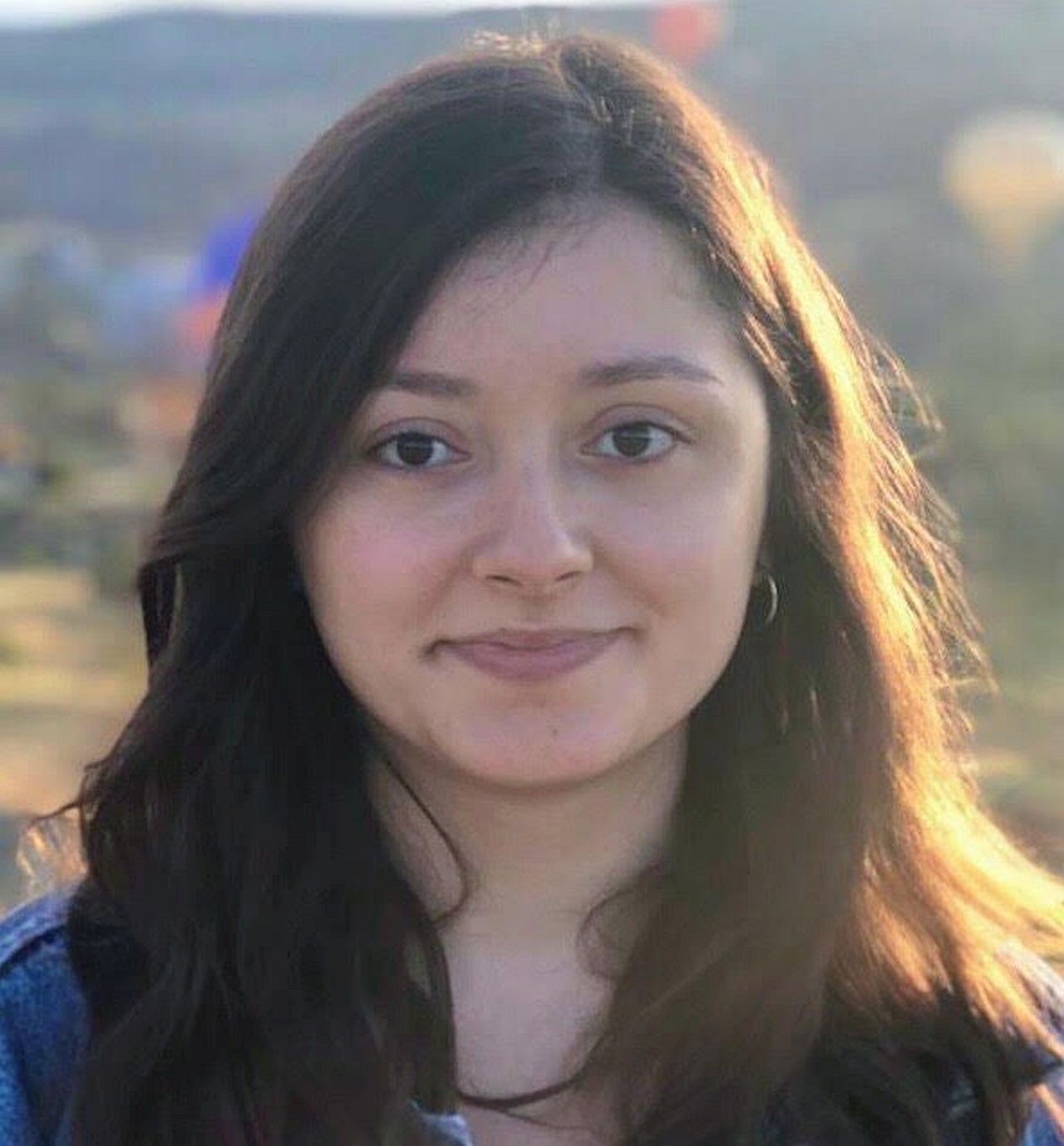
Idil Su Canitez
Understanding differential disease manifestations of VHL mutations through their molecular functions
Von Hippel-Lindau (VHL) disease is a hereditary tumor syndrome caused by mutations in the VHL tumor suppressor gene. However, how individual VHL mutations lead to distinct tumor types and clinical manifestations remains poorly understood. This project investigates the mutation- and isoform-specific functions of VHL and their effects on cellular phenotypes and molecular pathways. Using isogenic cellular models and precision genome editing, the project aims to link molecular and cellular effects of VHL variants to disease phenotypes, advancing our understanding of the molecular basis of disease heterogeneity in VHL-associated tumors.
Department of Thoracic Surgery – Division of Cancer Research, University Medical Center Freiburg
Freiburg, Germany
E-Mail: idil.su.canitez@uniklinik-freiburg.de