Fellows Frankfurt/Mainz
Seyma Alcicek MD, PhD
Non-invasive Imaging of Tumor Metabolism Using In vivo Magnetic Resonance Spectroscopy
Magnetic resonance spectroscopic imaging (MRSI) is a non-invasive technique that enables in vivo observation of tissue metabolism by exploiting the magnetic properties of cell metabolites. My research focuses on improving this methodology and its postprocessing methods to monitor altered cellular metabolism, the hallmark of cancer. MRSI provides the unique opportunity to collect metabolic fingerprints of tumor manifestations in vivo in patients with the ultimate goal of identifying markers for therapy stratification and monitoring.
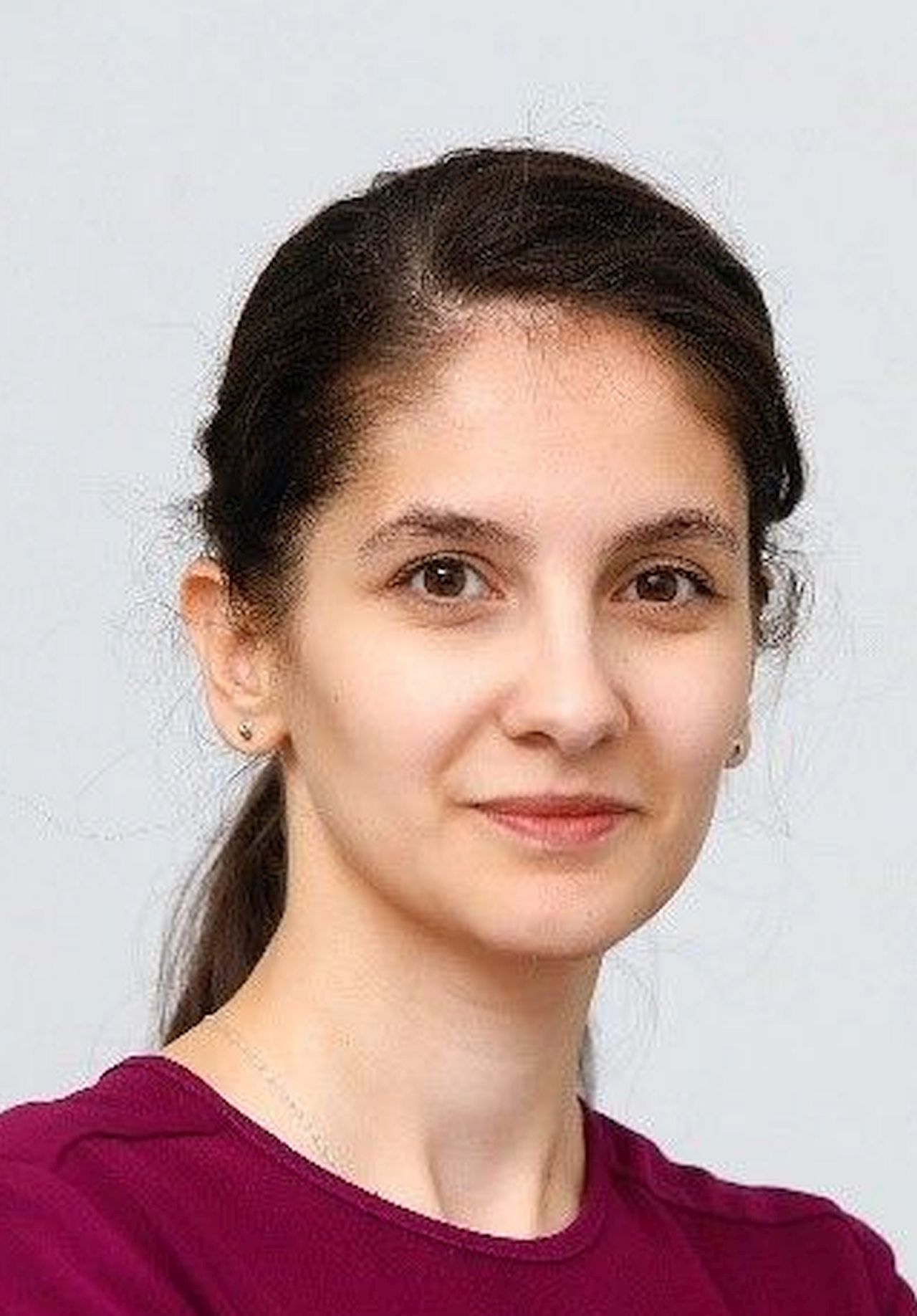
Research Group “Translational Oncology”, MSNZ Research Fellow I Medical Scientist
Institute of Neuroradiology, University Hospital Frankfurt
Frankfurt, Germany
E-Mail: alcicek@med.uni-frankfurt.de
Nadezda Dolgikh Dr.
Mechanisms of non-genetic resistance to Menin inhibitors in NPM1 mutant AML
The interaction between MLL1 and Menin proteins plays a crucial role in acute myeloid leukemias (AMLs) with MLL translocations (MLLr) or NPM1 mutations. Menin inhibitors disrupt this interaction, leading to reduced expression of leukemic genes and inducing differentiation in MLLr and NPM1mut AML. However, single-drug treatments often face limitations due to the development of drug resistance. To address this issue, we aimed to understand the molecular mechanisms underlying sensitivity and resistance to Menin-MLL1 inhibition in order to provide potential avenues for a promising and novel AML treatment.
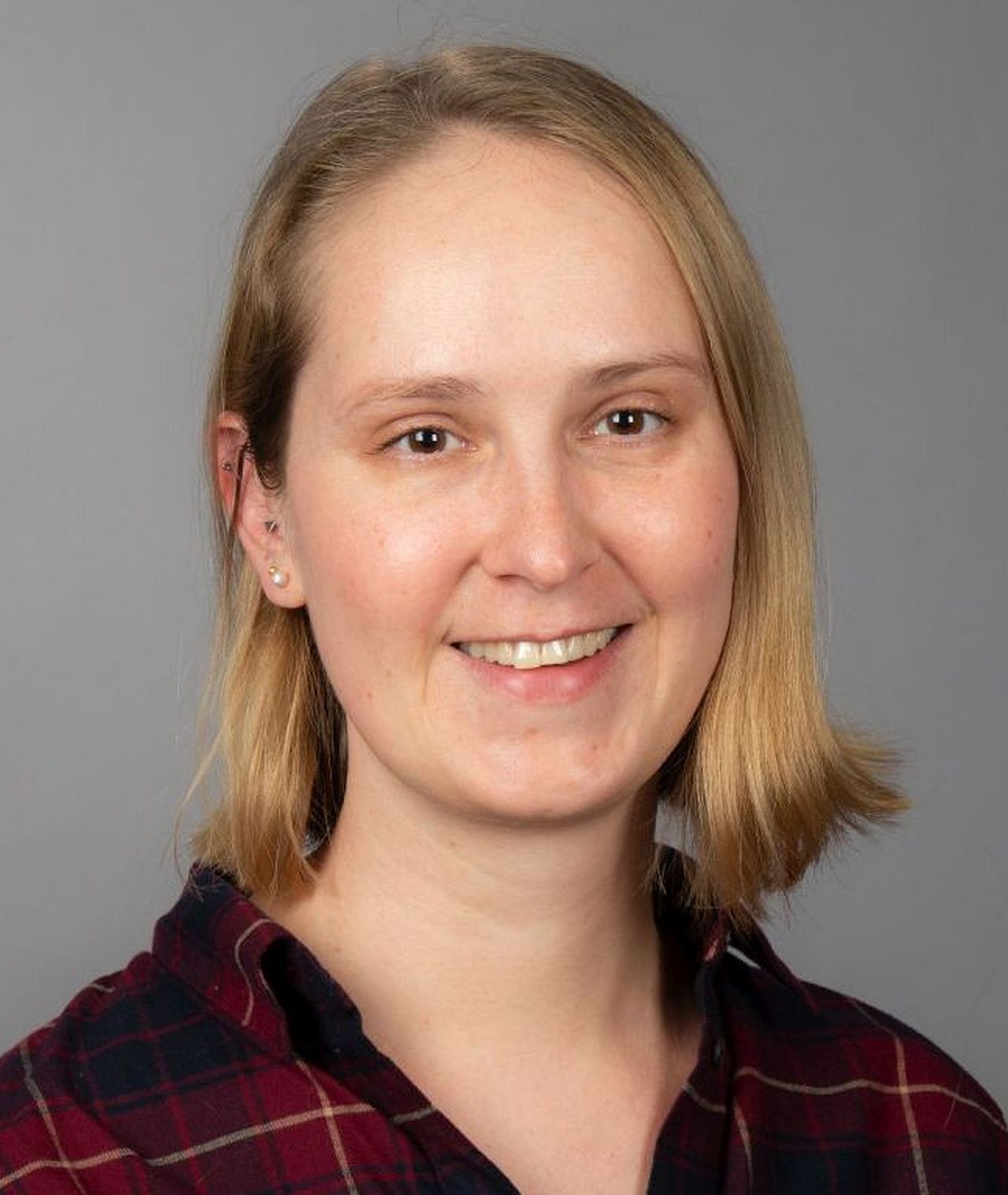
III. Medizinischen Klinik und Poliklinik, Universitätsmedizin der Johannes Gutenberg-Universität Mainz
Mainz, Germany
E-Mail: dolgikna@uni-mainz.de
Julius Enssle, MD
Functional proteogenomic characterization of mantle cell lymphoma
Our research aims at expanding the characterization of mantle cell lymphoma (MCL) by mass spectrometry quantitative proteome profiling of primary MCL samples together with whole-exome sequencing, transcriptome sequencing data and clinical outcome data to obtain a multilevel proteogenomic dataset. By bioinformatic integration, we aim at identifying proteogenomic clusters with prognostic relevance and gain insight into the underlying biologic processes. Additionally, analysis of genetic vulnerabilities will allow functional validation of these findings and evaluation of potential biomarkers and novel therapeutic targets to translate the results into novel clinical trials in MCL.
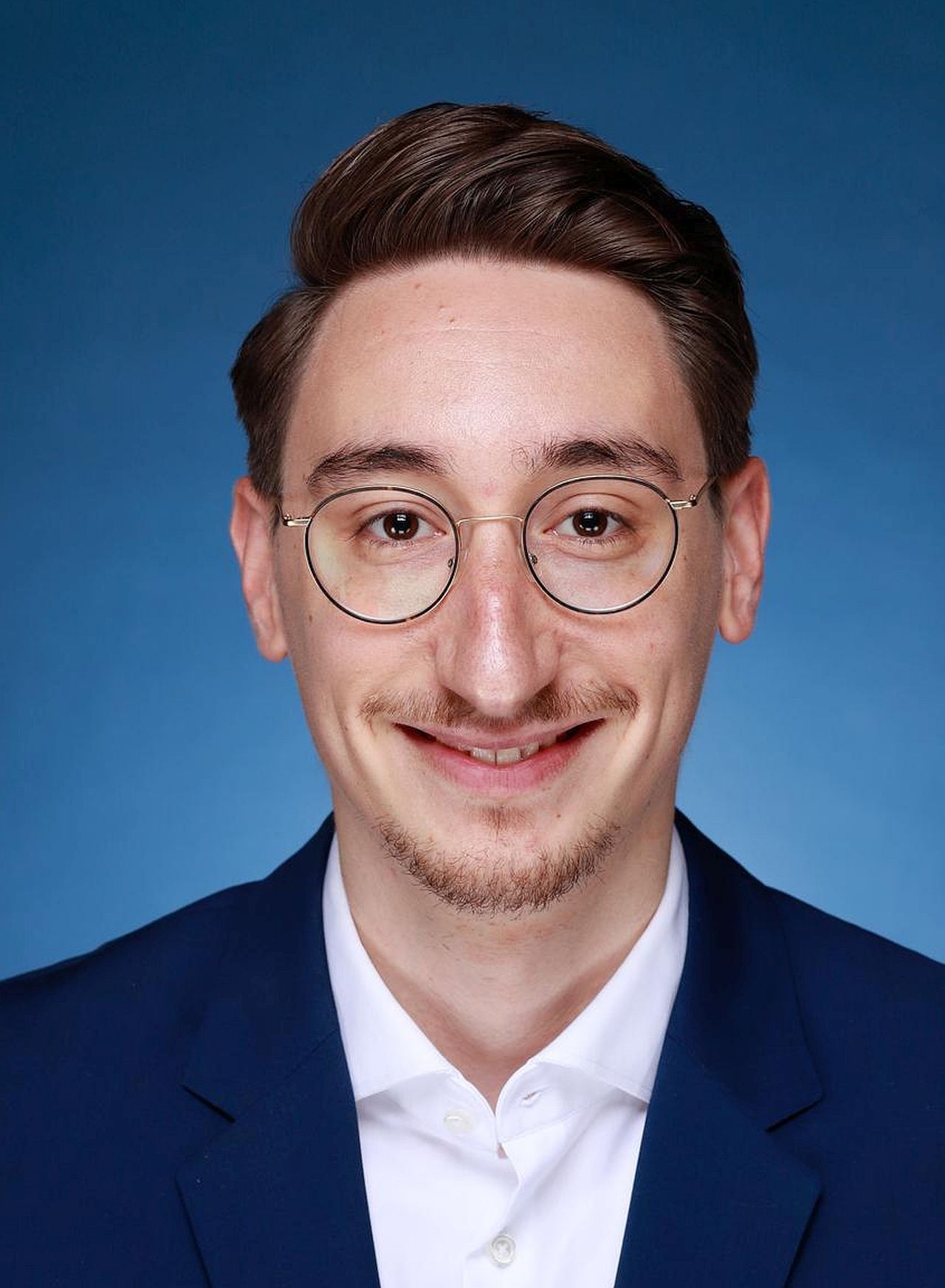
Department of Hematology/Medical Oncology, University Hospital Frankfurt
Frankfurt, Germany
E-Mail: enssle@med.uni-frankfurt.de
Christian Issing, Dr.
Patient-derived tumor organoids from head and neck squamous cell carcinoma as a co-clinical research platform
Head and neck squamous cell carcinoma (HNSCC) are among the most common malignant neoplasms worldwide. While locally limited disease can be cured by surgery and/or radiochemotherapy, a multimodal and potentially side-effect rich therapy regimen is required for advanced HNSCC. The genetic heterogeneity and distinct aetiologies of HNSCC significantly complicates the therapy and makes an individualized therapeutic approach indispensable for a promising long-term treatment. Patient-derived tumor organoids (PDTOs) could provide a preclinincal model to test treatment responses in vitro.
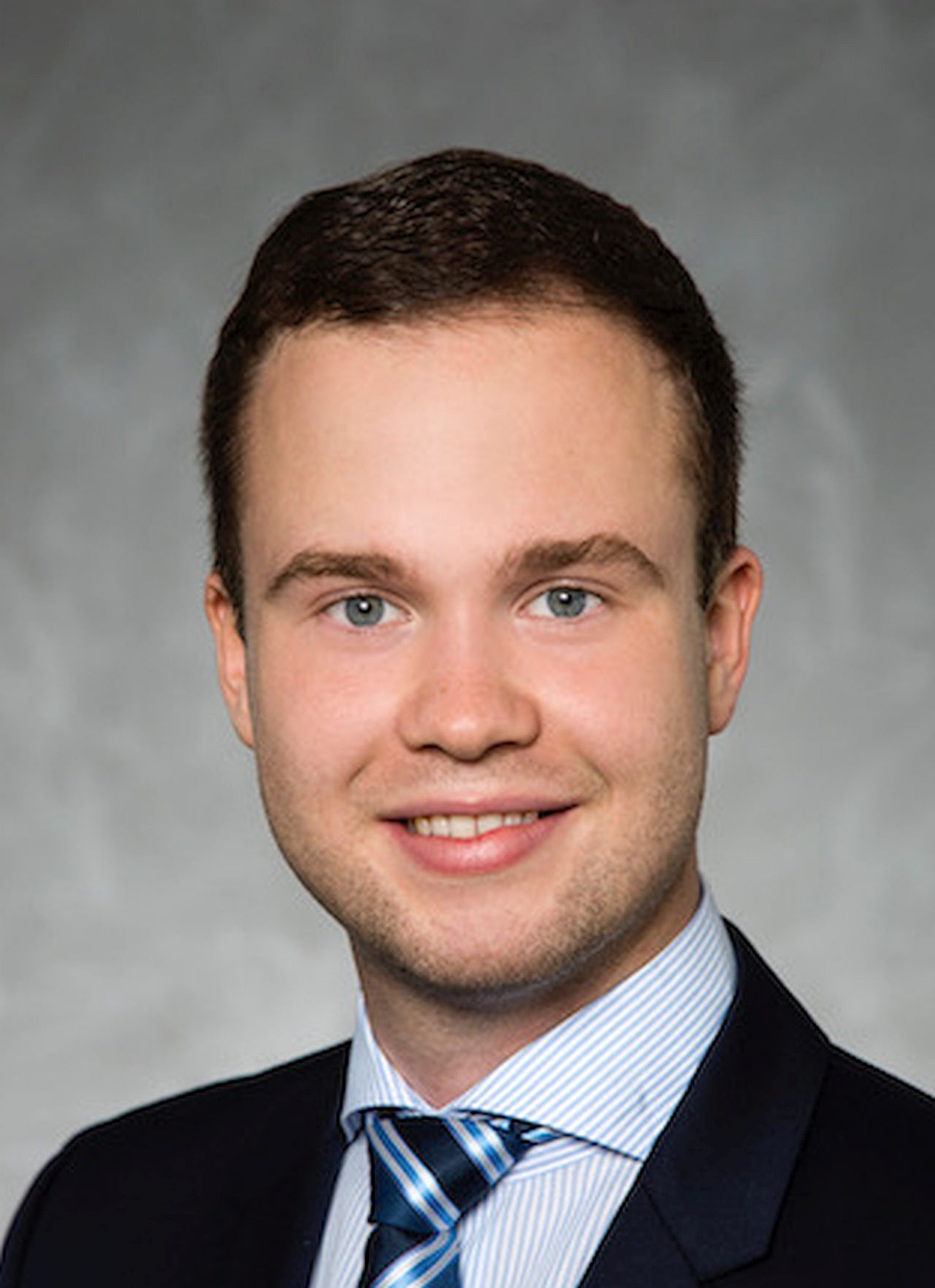
Department of Otorhinolaryngology, University Hospital Frankfurt/Main
Frankfurt, Germany
E-Mail: issing@med.uni-frankfurt.de
Essak Khan, Dr.-Ing.
Disentangling tumor tissue specific regulatory mechanisms of prothrombin (proF2) gene expression by differential high-content screening in an integrated genetic reporter system
In this project, we are interested in developing a standardized methodology for systematically dissecting the tumor-specific disease entities and mechanism that promote extrahepatic proF2 involved in cancer progression using a transgenic reporter mouse model (Nourse et al., 2021). In a proof of concept, the suitability of this experimental setup to perceive hitherto unknown sources of detrimental extrahepatic proF2 has been confirmed (Nourse et al., 2021) which corresponds to findings from tumor patients (Xue et al., 2010). A broad direct in vivo RNAi screening (Wuestefeld et al., 2013) and counter validation in human patient’s samples is expected to unravel novel insights into disease relevant entities and pave the way for developing new therapeutic concepts.

University Cancer Center (UCT), University Medical Center (UMC)
Germany Center for Thrombosis and Hemostasis (CTH), Institute for Clinical Chemistry and Laboratory Medicine
Frankfurt/Mainz, Germany
E-Mail: Essak.Khan@unimedizin-mainz.de
Florestan Koll, Dr.
Molecular and histological subtyping of muscle-invasive bladder cancer
Muscle-invasive bladder cancer (MIBC) is a heterogeneous disease with poor oncologic outcome. Six different molecular subtypes of bladder cancer have been identified by transcriptomic profiling. These classes differ regarding underlying oncogenic mechanisms, histology and clinical characteristics, including outcomes. But so far, no clinical translation and application of molecular subtypes has occurred. We aim to validate a robust method to define molecular subtypes in MIBC and to correlate these with histological subtypes, response to chemotherapy and survival-rates.
Department of Urology, University Hospital Frankfurt
Frankfurt, Germany
E-Mail: koll@med.uni-frankfurt.de
Marius Külp, Dr.
Synonymous mutations driving clonal hematopoiesis in the context of cardiovascular and malignant diseases
Hematopoietic stem cells acquire somatic mutations in distinct driver genes leading to clonal hematopoiesis (CH), a state which frequently fades to hematologic malignancy. Besides, several studies revealed association of CH with chronic heart failure. Importantly, this was only investigated for amino acid-affecting mutations while synonymous mutations have been completely neglected despite their potential to alter RNA folding, stability, splicing or translational speed and pausing. Therefore, the primary objective of the project is the mechanistic elucidation of how synonymous mutations drive CH and subsequently cause cardiovascular and malignant diseases.
Rieger Lab, Department of Medicine II, Hematology/Oncology, Goethe University Hospital Frankfurt
Frankfurt, Germany
E-Mail: marius.kuelp@em.uni-frankfurt.de
Johanna Rausch, Dr. med.
Targeting chromatin complexes to reverse AML immune escape for engineered cellular therapy
Our research focuses on the menin-MLL1 interaction, an epigenetic dependency in NPM1 mutated and MLL-rearranged leukemia. Menin-inhibitors have demonstrated promising in vitro and in vivo activity and are currently investigated in clinical trials. While immunotherapy has revolutionized the treatment of solid tumors and lymphatic neoplasms, it has been far less successful against AML. We are investigating if the use of selective epigenetic drugs like menin-inhibitors can augment the efficacy of immunotherapies in AML.

Department of Hematology and Oncology, University Medical Center, Johannes Gutenberg University
Mainz, Germany
E-Mail: johrausc@uni-mainz.de
Viral Shah, Dr. rer. nat.
Enhancing PARP inhibition mediated DNA Damage and leveraging inherent anti-apoptotic dependencies in acute myeloid leukemia
Acute myeloid leukemia (AML) is characterized by increased proliferation, evasion of apoptotic stimuli, and block of differentiation.In this project, we aim at shedding light on mechanisms involved in maintaining genomic stability, exploring pathways regulating DSB repair and exploit mechanisms that prevent induction of apoptosis in highly proliferating AML cells.

University Cancer Center (UCT), University Medical Center (UMC) of the Johannes Gutenberg University and German Cancer Consortium (DKTK)
Germany Department of Internal Medicine III (Hematology, Oncology, Pneumology)
Frankfurt/mainz, Germany
E-Mail: viral.shah@uni-mainz.de
Pia Zeiner, MD
Interaction between glioma-associated microglia/macrophages and tumor cells in the context of targeted cancer therapies and immunotherapies
Short description: Our research is focusing on the investigation of the immunological response in the microenvironment of brain tumors with a special focus on glioma-associated microglia and macrophages (GAMs). In particular, we assess the influence of established and novel targeted therapies on GAM functions and the potential impact on therapeutic response in glioblastoma patients. One aim of the study is the detailed characterization of the mTOR-signalling cascade as a central regulator and potential therapeutic target in GAMs.
Dr. Senckenberg Institute of Neurooncology, University Hospital Frankfurt/Main
Frankfurt, Germany
E-Mail: pia.zeiner@kgu.de
Melissa Bernhardt, Dr.
Identification, Selection and Validation of HLA peptides as targets for cancer immunotherapy
The development of novel immunotherapies relies on the identification of suitable tumor antigens. Our research aims to identify recurrent tumor-specific HLA peptides whose presentation is associated with aberrant tumorigenic processes. In particular, we investigate cryptic HLA peptides, which constitute largely unexplored target structures with considerable potential for cancer immunotherapy. We employ qualitative and quantitative mass spectrometry-based immunopeptidome analyses in combination with immunogenicity assays. Ultimate goal is to translate these targets into clinical applications, such as transgenic T cells or Immune mobilizing monoclonal T cell receptors against cancer.
Department of Dermatology, University Hospital Frankfurt
Frankfurt, Germany
E-Mail: m.bernhardt@med.uni-frankfurt.de
Lene Tscharntke, Dr. med.
A Fermented and Fiber-Rich Microbiome-Targeted Diet Intervention Study in Patients Receiving Immune Checkpoint Inhibitors or Undergoing Autologous Stem Cell Transplantation (FERMI-DIET)
The intestinal microbiome is increasingly recognized as a key modulator of immune regulation and treatment response in oncology. Diet is a modifiable factor, yet structured microbiome-targeted dietary interventions in cancer patients remain limited. The FERMI-DIET study is a pilot trial evaluating an 8-week high-fiber and fermented food intervention in patients receiving immune checkpoint inhibitors or undergoing autologous stem cell transplantation. By assessing feasibility, tolerability, diet-associated changes in gut microbiome composition, metabolomics, immune modulation, and quality of life, FERMI-DIET aims to generate hypothesis-generating data for future trials investigating microbiome-targeted dietary strategies to optimize cancer therapy outcomes.
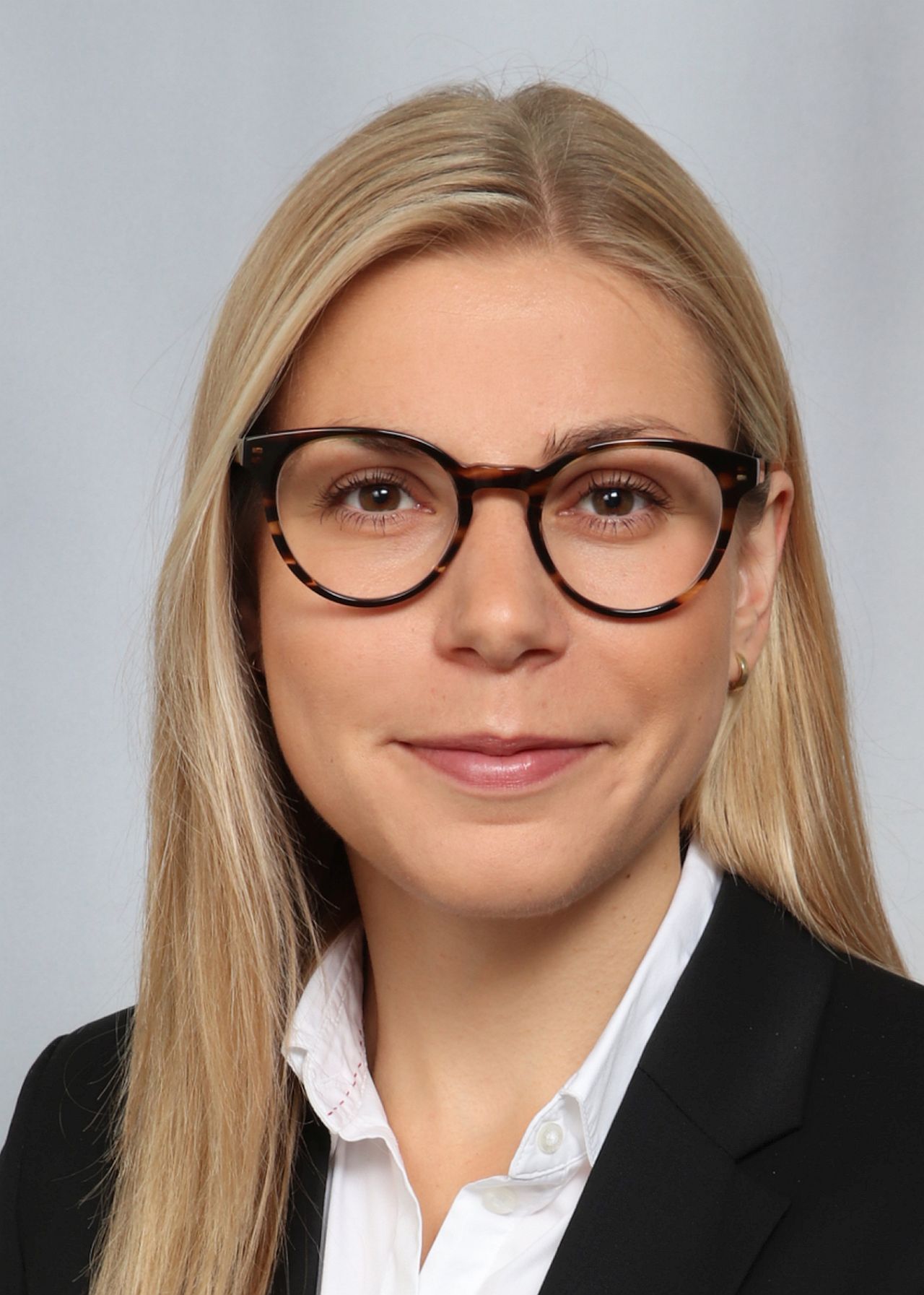
Department II of Internal Medicine, Infectious Diseases, University Hospital Frankfurt
Frankfurt, Germany
E-Mail: tscharntke@med.uni-frankfurt.de
Theresa Alisch, Dr. med.
A Fermented and Fiber-Rich Microbiome-Targeted Diet Intervention Study in Patients Receiving Immune Checkpoint Inhibitors or Undergoing Autologous Stem Cell Transplantation
The intestinal microbiome is increasingly recognized as a relevant factor in immune regulation and oncology outcomes. High-dose chemotherapy with autologous stem cell transplantation (ASCT) disrupts microbial diversity due to mucosal damage and antibiotic use, increasing infection risk and impairing immune recovery. Diet is a key modifiable factor: fiber and fermented foods may enhance diversity and beneficial metabolites. We conduct an exploratory study (n=25) of a high-fiber (≥20 g/day) and fermented food (≥6 servings/day) intervention during ASCT, assessing feasibility, safety, adherence, microbiome an immunological changes, symptoms, quality of life, and clinical outcomes.
Department II of Internal Medicine, University Hospital Frankfurt
Frankfurt, Germany
E-Mail: th.alisch@med.uni-frankfurt.de
Tobias Bexte, Dr. med.
BEACON (Base Editing Advanced Chimeric Antigen Receptor Natural Killer Cells)
The focus of my research team is the precise gene editing for next-generation immune cell therapies. Therefore, we use innovative CRISPR-based strategies to enhance NK cells and other immune cell populations for the safe off the-shelf treatments of hematologic malignancies and other difficult-to-treat diseases.
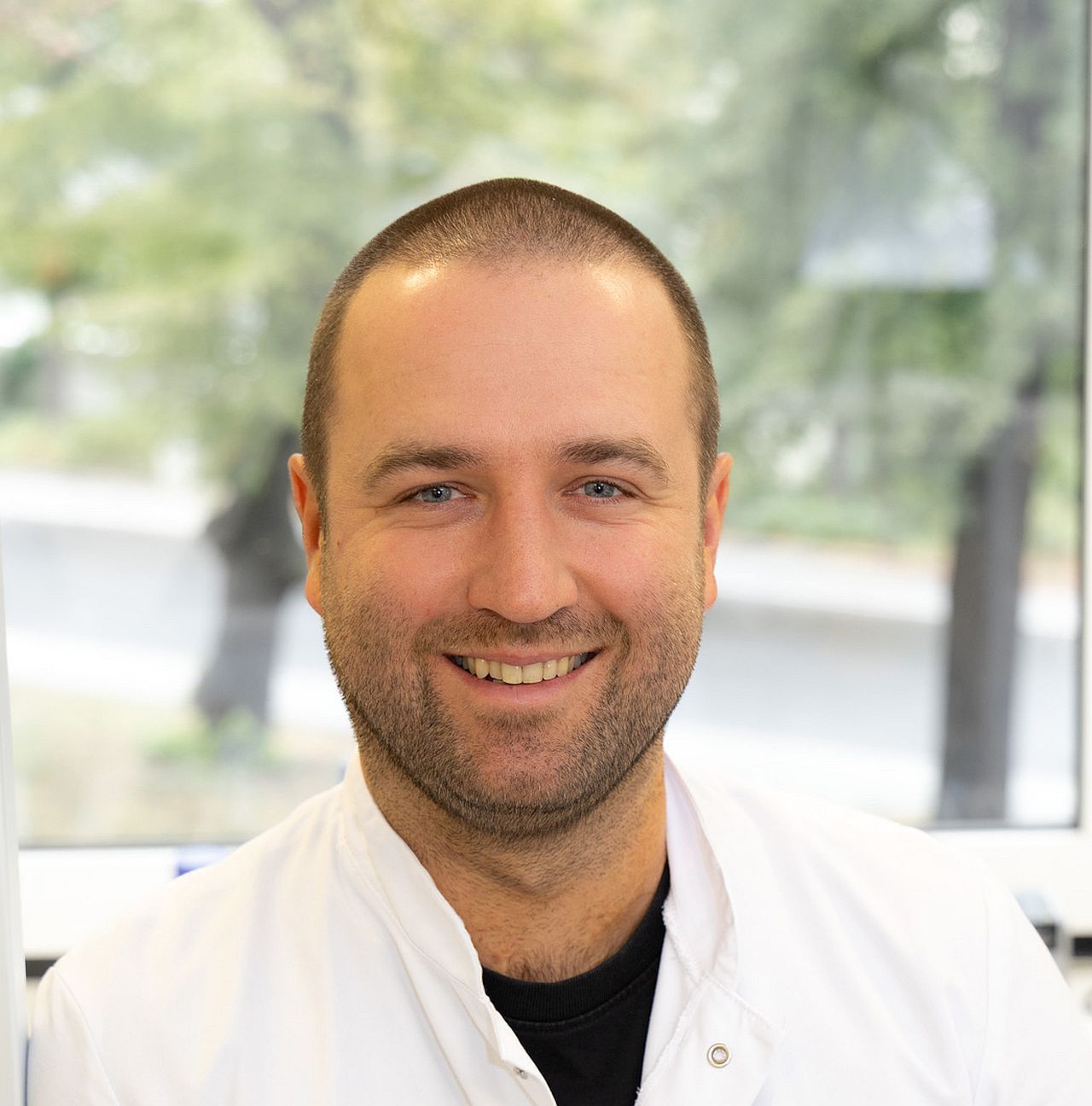
Department of Pediatrics and Institute of Transfusion Medicine, Goethe University Frankfurt
Frankfurt, Germany
E-Mail: bexte@med.uni-frankfurt.de