Fellows Essen
Nicole Barwinski, Dr. rer. nat.
cf-DNA and EVs as sources for biomarkers for early detection of second primary malignancies in patients with heritable retinoblastoma
Heritable retinoblastoma is a tumour predisposition syndrome caused by heterozygosity for pathogenic RB1 variants. Patients have a high risk to develop a second primary malignancy later in life. Development of such tumours is often initiated by loss of heterozygosity of the RB1 gene. The aim of our project is to develop a noninvasive blood test for the early detection of these secondary cancers. Therefore we investigate cfDNA released by tumour cells to detect the allelic imbalance at the RB1 gene locus. Using the SimSenSeq technology (Ståhlberg et al. 2017) we perform Next-Generation Sequencing to determine the allelic ratio with high sensitivity and specificity to reach the requirements of a diagnostic test.
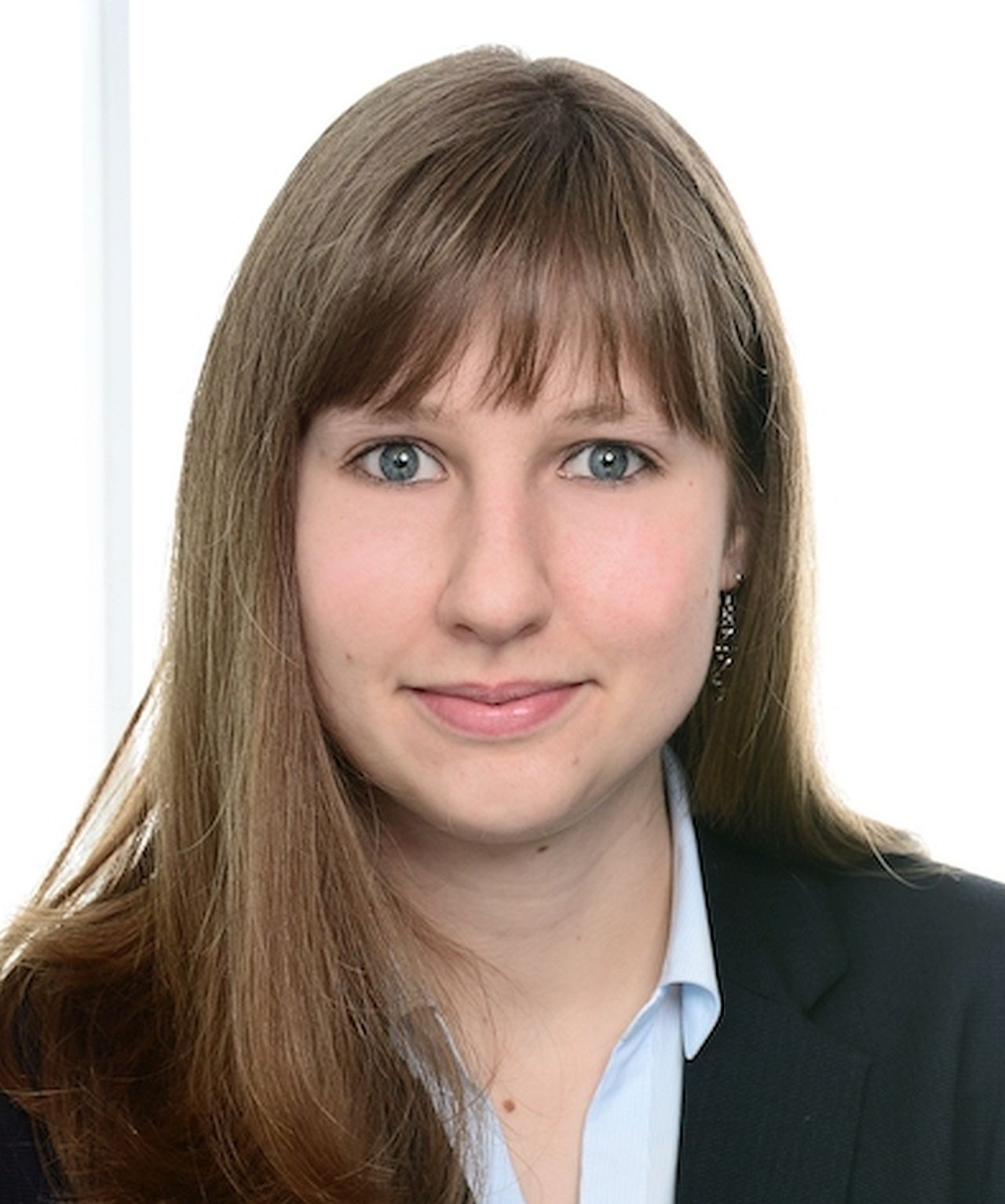
Department of Human Genetics, University Hospital Essen
Duisburg-Essen, Germany
E-Mail: Nicole.Barwinski@uk-essen.de
Celia Dobersalske, M.Sc.
Tumor microenvironment and resistance mechanisms in malignant glioma
The dynamic and heterogenous cell composition in the tumor microenvironment (TME) actively influences therapeutic efficacy in all different kinds of tumor entities. Our aim is to unravel the insufficiently characterized TME in glioma by establishing models that are acutely maintain the TME of clinical specimen. We firmly believe that understanding and further targeting microenvironmental factors is indispensable to allow the identification of appropriate treatment strategies and to potentially overcome therapy resistance.
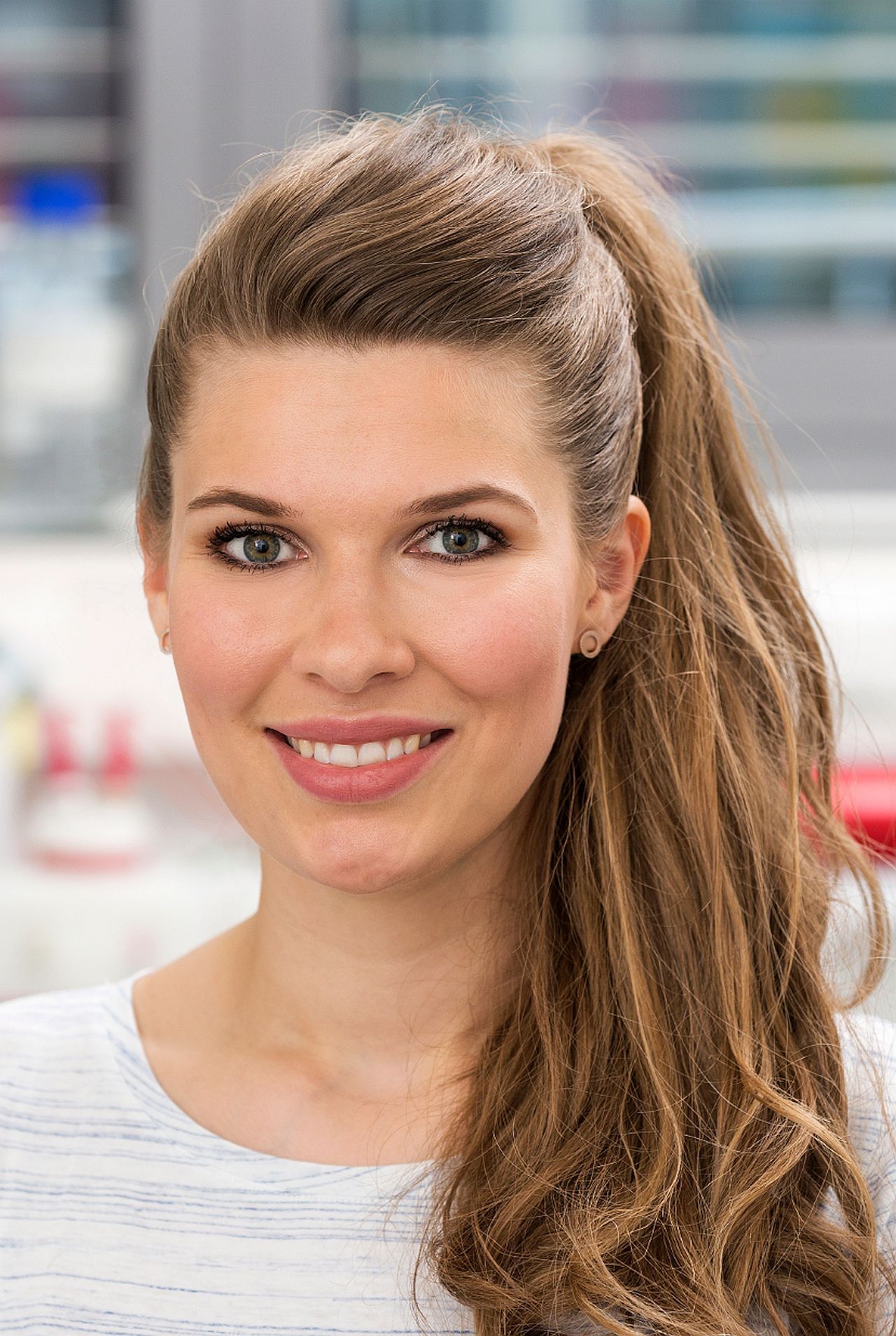
DKFZ-Division Translational Neurooncology at the West German Cancer Center (WTZ)
DKTK partner site Essen/Düsseldorf
Essen/Düsseldorf, Germany
E-Mail: c.dobersalske@dkfz.de
Ilektra Mavroeidi, MD
Translational theranostic applications in oncology
Theranostics stands as a cornerstone of personalized medicine, meticulously delving into specific target structures within tumors or their microenvironment to enable both diagnostic and therapeutic interventions. Within this cutting-edge domain, radiotheranostics integrates molecular imaging with targeted radionuclide therapy, offering an opportunity to selectively target and eliminate tumor cells while minimizing adverse effects. This approach holds promise for highly effective therapies with reduced toxicity, addressing concerns related to resistance.
My research primarily focuses on translational theranostic projects in a multidisciplinary and and comprehensive manner. On the one hand, i work on unravelling the intricate dynamics among FAP-expressing cells within tumors, cancer-associated fibroblasts (CAFs), and tumor cells, along with their interactions within the tumor microenvironment. This translational effort initially targets sarcomas, with the aim of extending to other tumor entities. Additionally, I aim to elucidate the role of SSTR2 in SCLC, investigating its correlation with immunohistochemistry and its impact on patient survival, with the utmost purpose of detecting patients eligible for theranostic approaches.
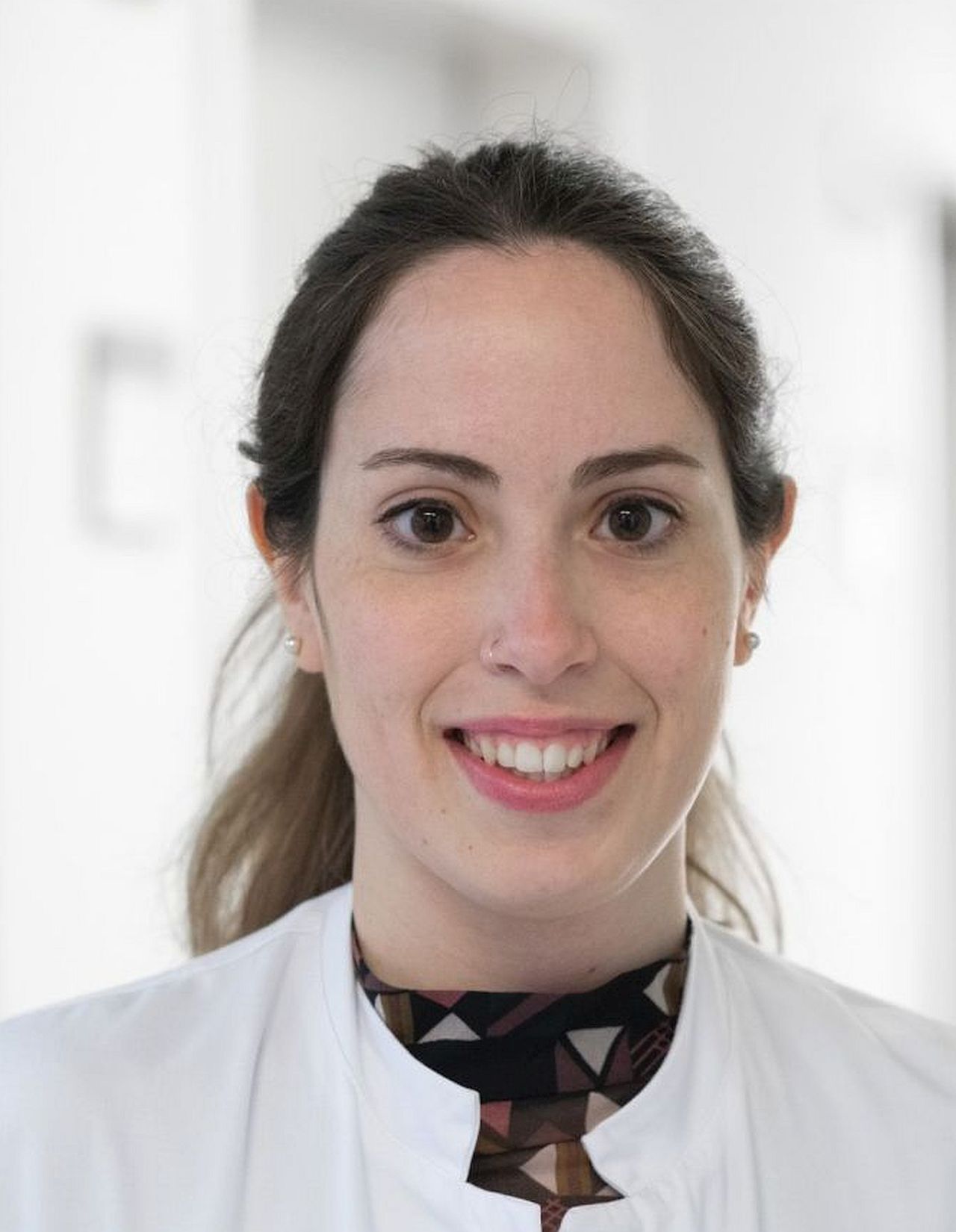
Clinic for Internal Medicine (Tumor Research)
DKTK partner site Essen/Düsseldorf
Essen, Germany
Ekaterina Pylaeva, Dr.
Therapeutic modulation of glycosaminoglycan-chemokine interactions in cancer
Despite the significant success of the existing anticancer treatment options, the overall survival in various cancer types remains poor. One of the reasons of inefficiency of anticancer treatment is develpment of tumor resistance. It is partially mediated by expansion of exhausted and/or immunosuppressive immune cells in the tumor tissue and lymph nodes, which suppress the cytotoxic mechanisms and support the survival and metastasis.
Tumor microenvironment (soluble factors and cellular interactions) drive newly migrated immune cells into exhausted and/or immunosuppressive state. Glycosaminoglycans on endothelium and extracellular matrix bind the chemoattractants and provide the stable concentration gradient important for migration and activation of immune cells.
With this project, we aim to restore anti-tumor adaptive immune responses by targeting glycosaminoglycan-chemokine interactions.
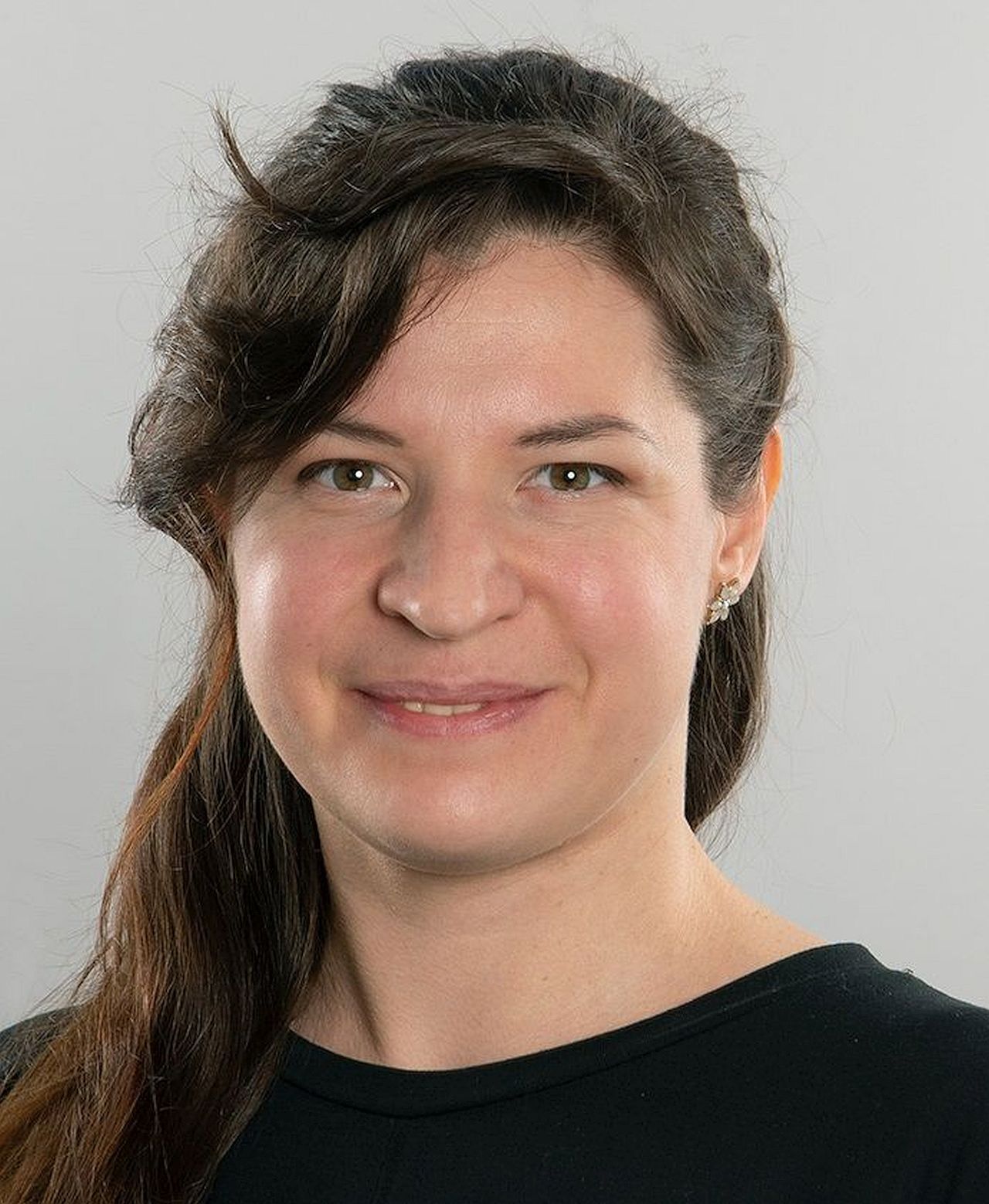
Neutrophil Biology and Translational Oncology Group, ENT department, Universitätsklinikum Essen
Essen, Germany
E-Mail: ekaterina.pylaeva@uk-essen.de
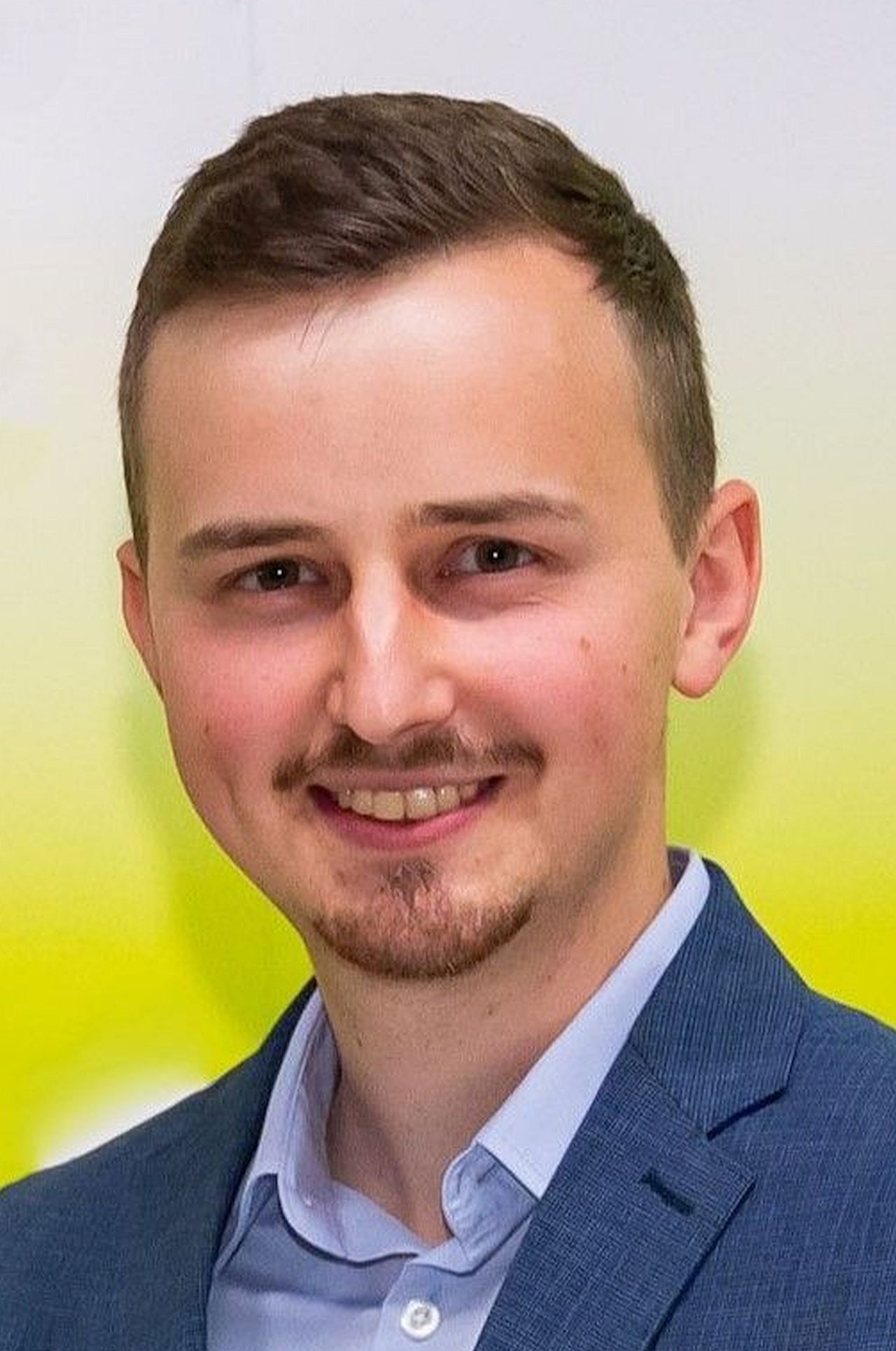
Hendrik Schürmann, Dr. med.
Cellular plasticity in pancreatic cancer – from phenotypical organoid screening to underlying biophysical mechanisms
Pancreatic cancer is notorious for its poor survival rates and remarkable resistance to available therapies. Early-passaged patient-derived tumor organoids (PDO) recapitulate tumor heterogeneity and have the potential for in vitro response prediction. However, widely utilized assays do not capture spatial heterogeneity and dynamics.
My research project focuses on temporally resolved, 3D imaging-based drug screenings of pancreatic cancer organoids to detect and characterize phenotypical and programmed cell death-related drug responses. Our aim is to incorporate these features to predict patient response in vitro and identify potential drug combinations to exploit cell state vulnerabilities. This translational project is complemented by a mechanistic project to study the role of collective cell mechanics in distinct phenotypes and clinical aggressiveness. By integrating spatiotemporal information with mechanical properties, we hope to contribute to the utilization of PDO for clinical decision-making.
Department of Medical Oncology, West German Cancer Center, University Hospital Essen
Bridge Institute of Experimental Tumor Therapy (BIT) and Division of Solid Tumor Translational Oncology, German Cancer Research Center (DKFZ) and German Cancer Consortium (DKTK), Partner Site University Hospital Essen
Essen, Germany
E-Mail: hendrik.schuermann@uk-essen.de