Fellows Dresden
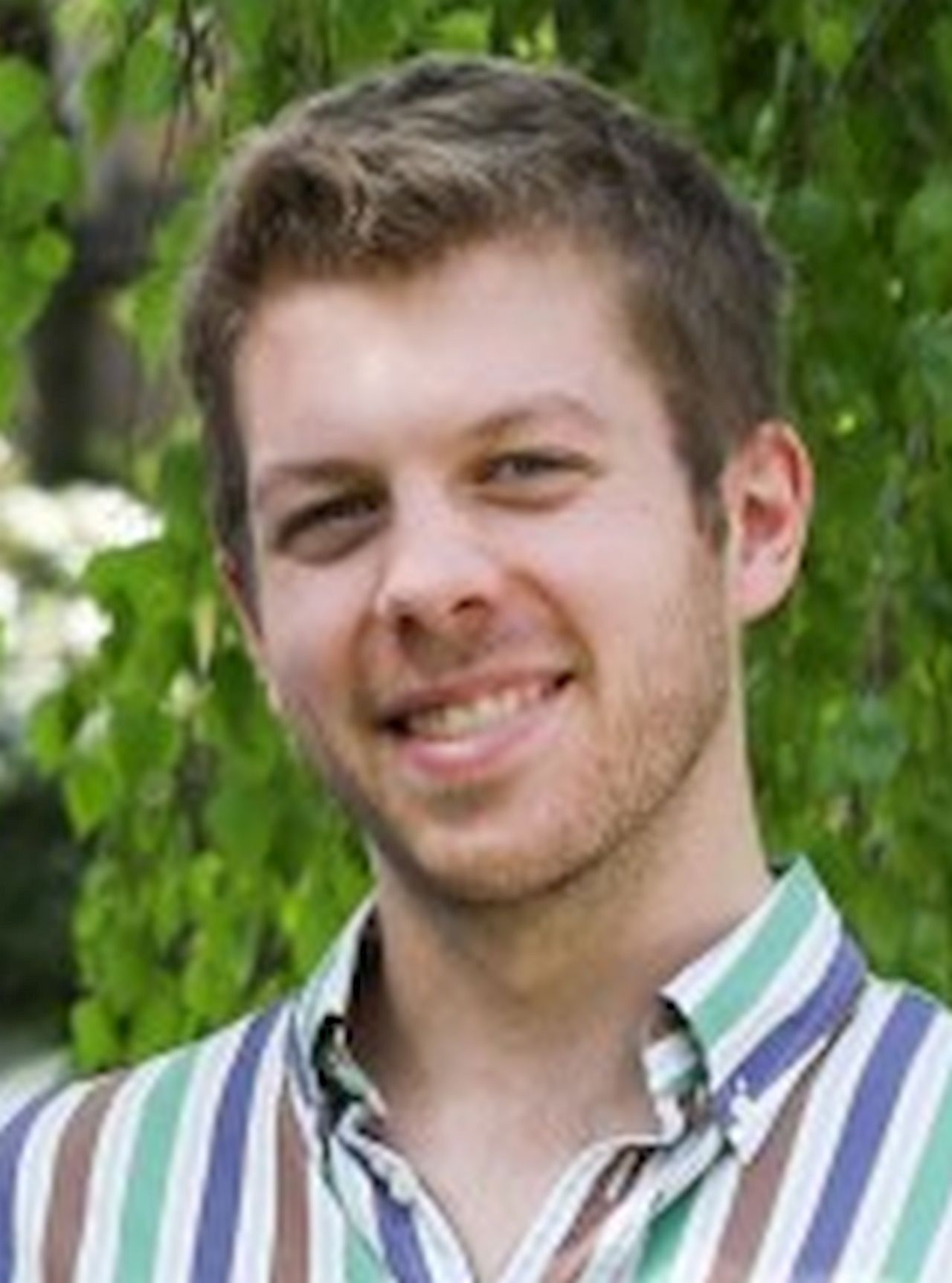
Jan Clusmann
Machine learning for risk stratification of liver cancer in real-world data
Hepatocellular carcinoma is a deadly malignancy, often diagnosed at late stages. Current screening is limited to patients with liver cirrhosis, despite a variety of risk factors being characterized. This poses a challenge in risk stratification. The goal of my project is to train machine learning models on real-world data from large-scale biobanks such as the UK Biobank (n=500.000), integrating physical, serum, genomic, and metabolomic data. Models will be built for several, clinically relevant scenarios, comparing added information per data modality. Once the external validation on several other biobanks is performed, the goal is to bring AI-based risk prediction into clinical studies.
Institute of Clinical Artificial Intelligence
Else Kröner Fresenius Center for Digital Health, TU Dresden
Dresden, Germany
E-Mail: JanNiklas.Clusmann@ukdd.de
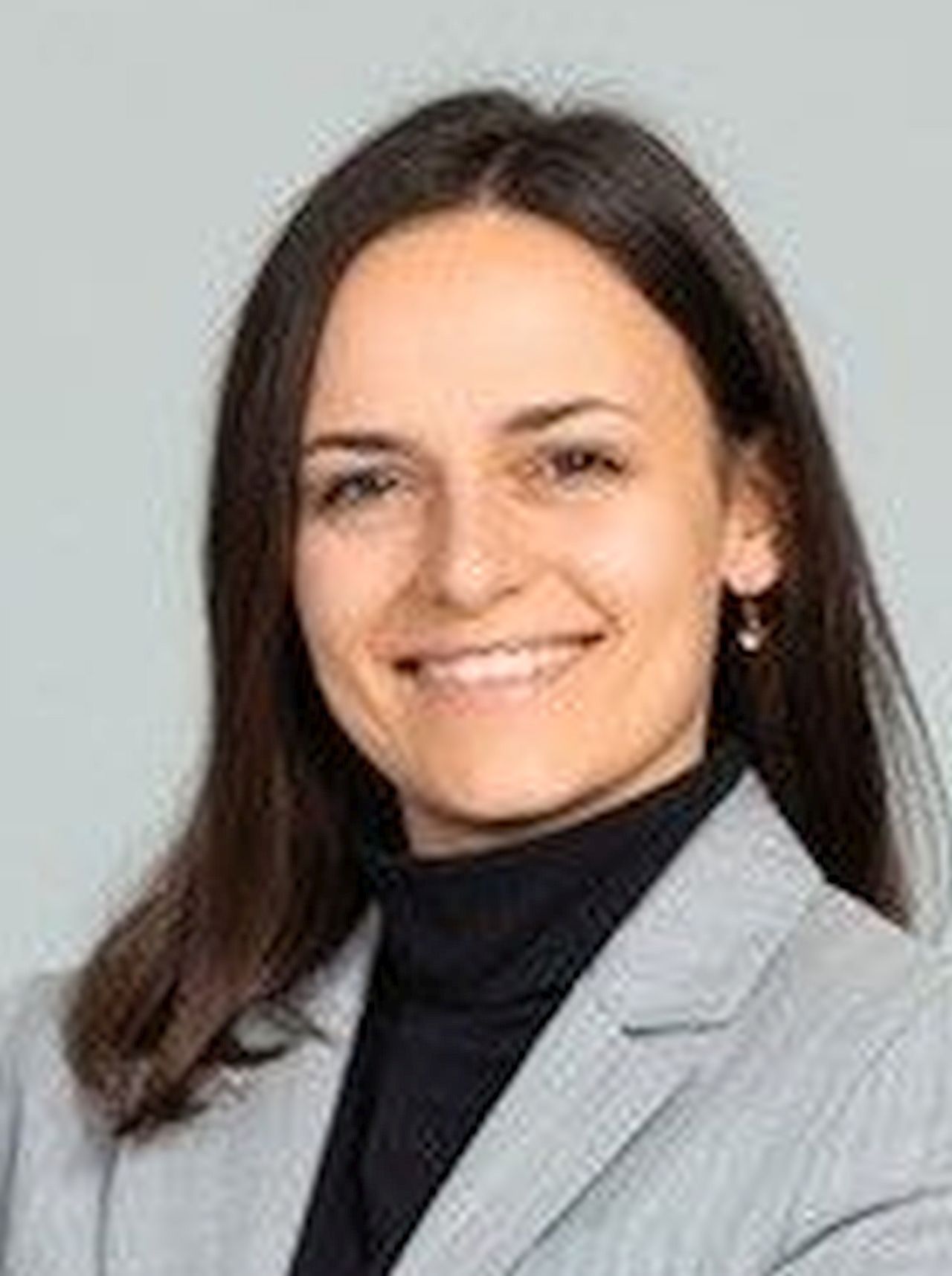
Hannah Sophie Mutti, MD
Developing diagnostic and prognostic biomarkers for gastrointestinal cancers with AI-assisted image analysis
Artificial intelligence (AI) can process large amounts of data in a very short time, making it suitable for analyzing complex relationships beyond human capabilities. In precision oncology, this can be utilized to derive biological and prognostic information from oncological imaging data. Gastrointestinal tumors are of particular interest due to their high prevalence and biological heterogeneity. Colon and gastric adenocarcinomas in particular have a high incidence worldwide. Some patients exhibit differences in long-term survival despite similar initial disease stages, which is not tackled in clinical routine. AI has the potential to enhance existing strategies for prognostic stratification of patients with gastrointestinal tumors. In our project, we aim to identify prognostic information in clinical imaging data of colon and gastric adenocarcinoma patients across different time points and disease stages.
Department of Abdominal, Thoracic and Vascular Surgery, University Hospital Dresden
Dresden, Germany
E-Mail: Hannah_sophie.muti@tu-dresden.de
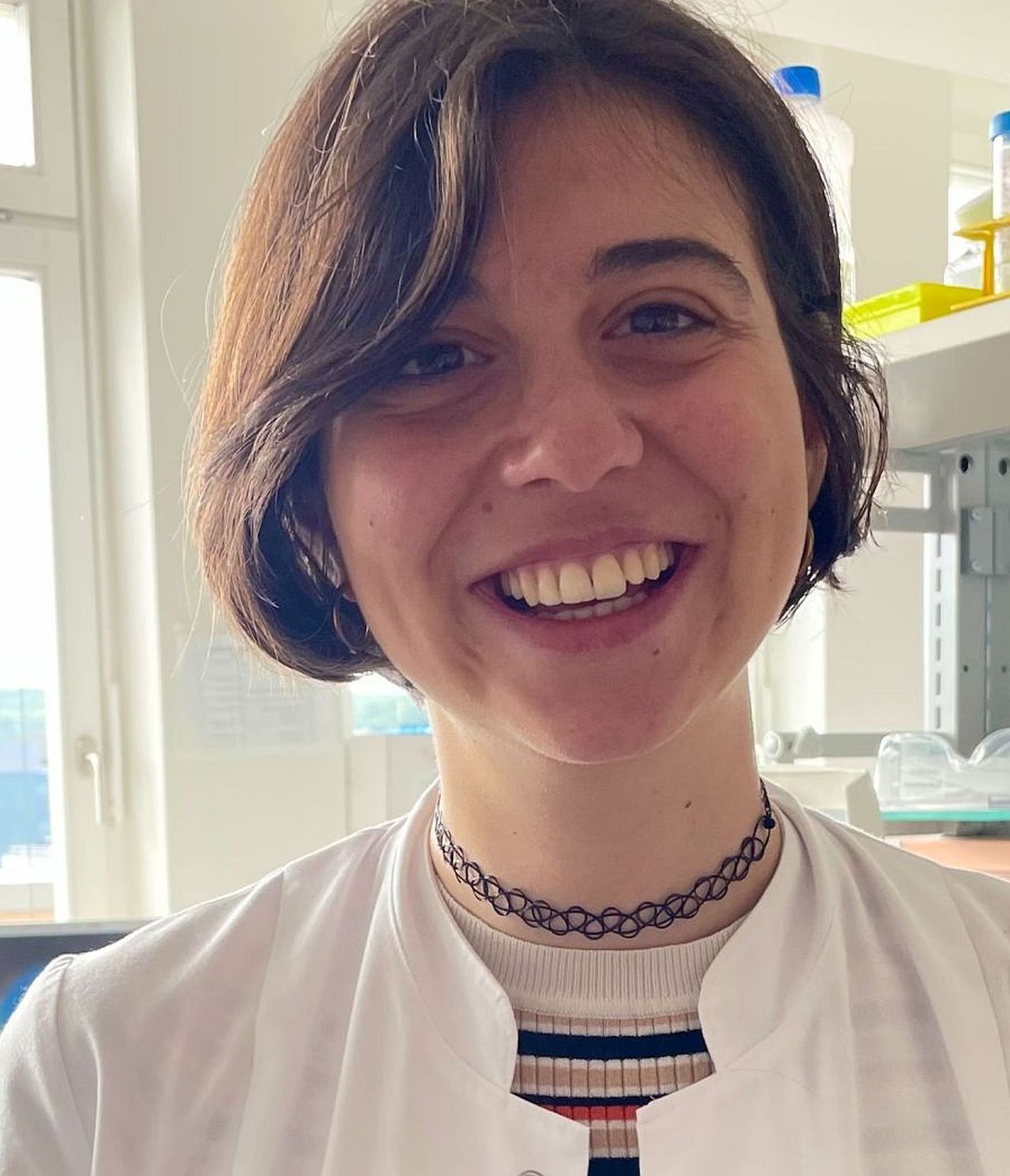
Carla Portulano
Modelling gastric cancer using stomach-specific inducible mouse models and patient
derived organoids.
Gastric cancer (GC) is the third leading cause of cancer deaths. Due to missing early clinical signs, GC is diagnosed at late stage cancer with distant metastases, resulting in incurable disease. Therefore, I aim to shed light on the pathological mechanisms of GC metastasis. Additionally, I aim to investigate the tumorigenesis of gastric adenosquamous cancer (ASC) which is characterized by aggressive tumor progression. Since the pathogenesis of ASC is unknown, it is difficult to define treatment strategies.
Therefore, I plan to identify the mutational pattern and transcriptomic profile of ASC. For both projects, I will use stomach-specific mouse models and patient derived organoids.
Department of Visceral, Thoracic and Vascular Surgery
Carl Gustav Carus University Hospital Dresden
Dresden, Germany
E-Mail: Carla.portulano@ukdd.de
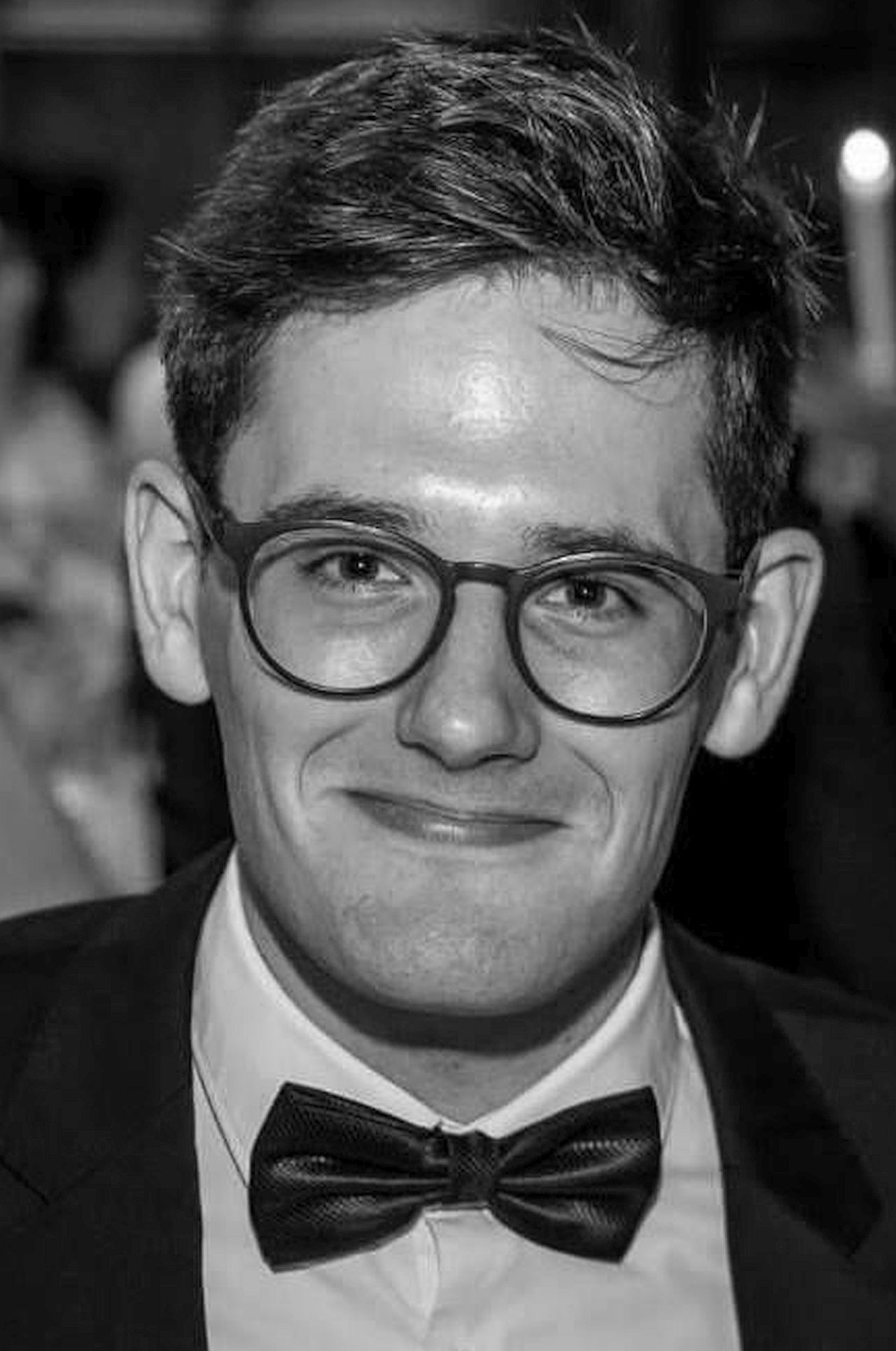
Julien Subburayalu, Dr. med.
Characterization of the antitumoral potential of human genome-modified macrophages
Cancer immunotherapy based on macrophages are hindered by a postmitotic phenotype and a proclivity for repolarization by tumor cells. Chimeric antigen receptor (CAR)-bearing macrophages have recently been shown to effectively eat away at tumor cells. Our work shows that genetic modification in the absence of specific CARs in macrophages maintains antitumoral effects which enables applicability in tumors that have no identifiable CAR target.
Our macrophages are denoted by a continuous expansion of terminally differentiated macrophages in vitro, thus potentially enabling cellular therapy. We are committed to delivering a cell therapy product able to outsmart solid tumors even in instances where conventional therapies have failed.
Department of Hematology, Cellular Therapy and Medical Oncology, University Hospital Carl Gustav Carus Dresden
Dresden, Germany
E-Mail: julien.subburayalu@ukdd.de
Isabella Wiest, Dr. med.
Beyond Traditional Methods: Leveraging Large Language Models to Unveil Hidden Gems in Oncology Data
The field of oncology heavily relies on the transfer of information between healthcare providers and researchers, a process often hampered by the unstructured nature of medical data. Key insights remain buried within free-text formats, eluding traditional quantitative analysis. Large Language Models (LLMs) present a solution to these longstanding challenges, surpassing classical natural language processing (NLP) techniques in both scope and depth. This project aims to employ LLMs to systematically decode and organize vast amounts of text data, which, due to time-consuming processing requirements, have been underutilized at scale for broader informational gains in oncology. The goal is to enhance oncological data management, facilitating a more scalable and efficient approach for information extraction that supports improvements in diagnosis and treatment strategies.
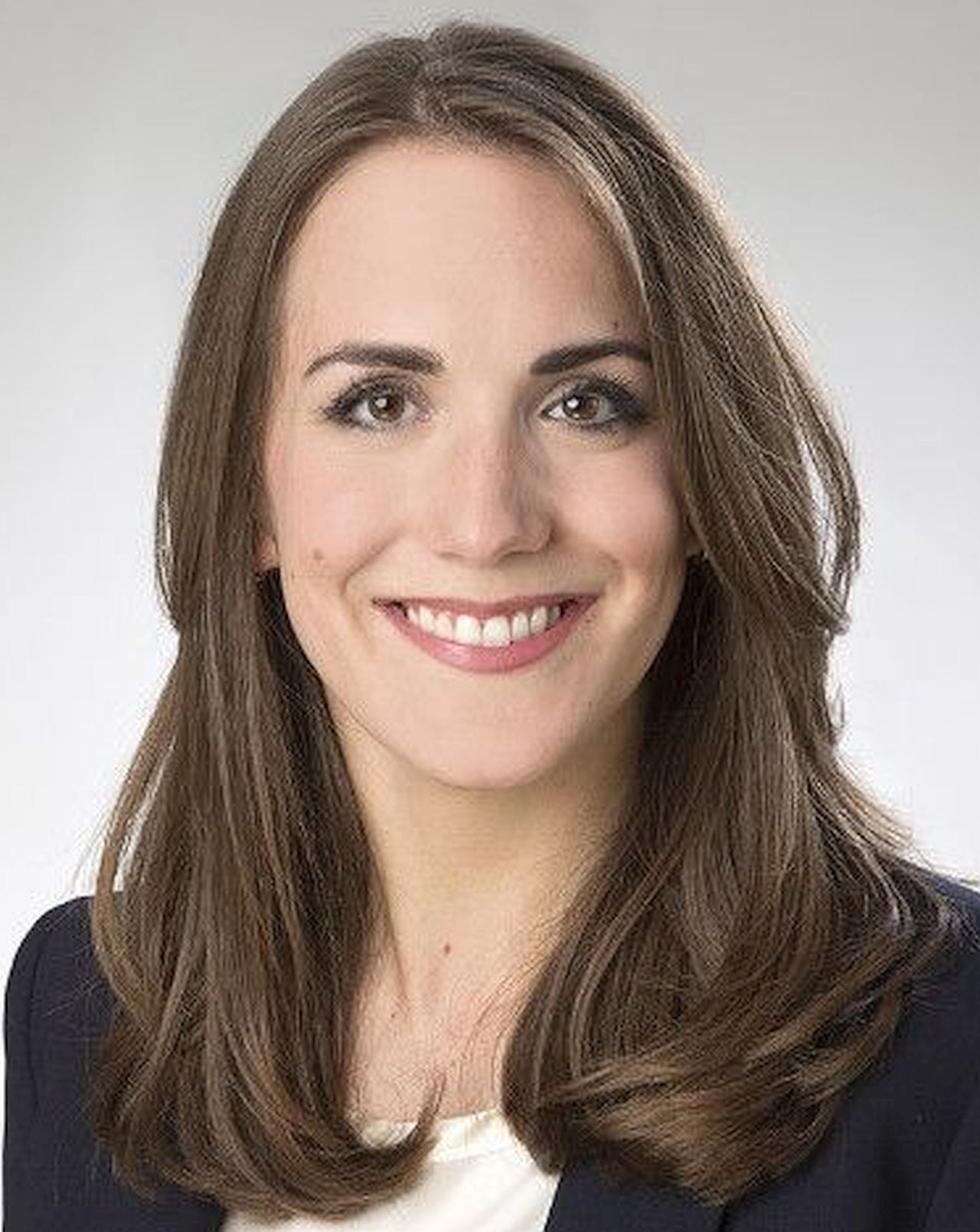
Else Kroener Fresenius Center for Digital Health, Technical University Dresden
and Department of Medicine II, Medical Faculty Mannheim, Heidelberg University
Dresden, Germany
E-Mail: Isabella.wiest@tu-dresden.de
André Sagerer, Dr. med.
Characterization of the tumor microenvironment of brain metastases
Metastases are the most common tumors of the central nervous system. Malignant melanoma and bronchial carcinoma show the highest prevalence of cerebral metastases. With the advancement of targeted and immunotherapy, better treatment outcomes can now be achieved. Unfortunately, patients receiving such therapies often develop resistance and experience recurrence or progress. Current data suggest that the tumor-specific microenvironment has a significant influence on the development of resistance. The aim of the present project is to immunologically and molecularly characterize the tumor microenvironment of brain metastases.
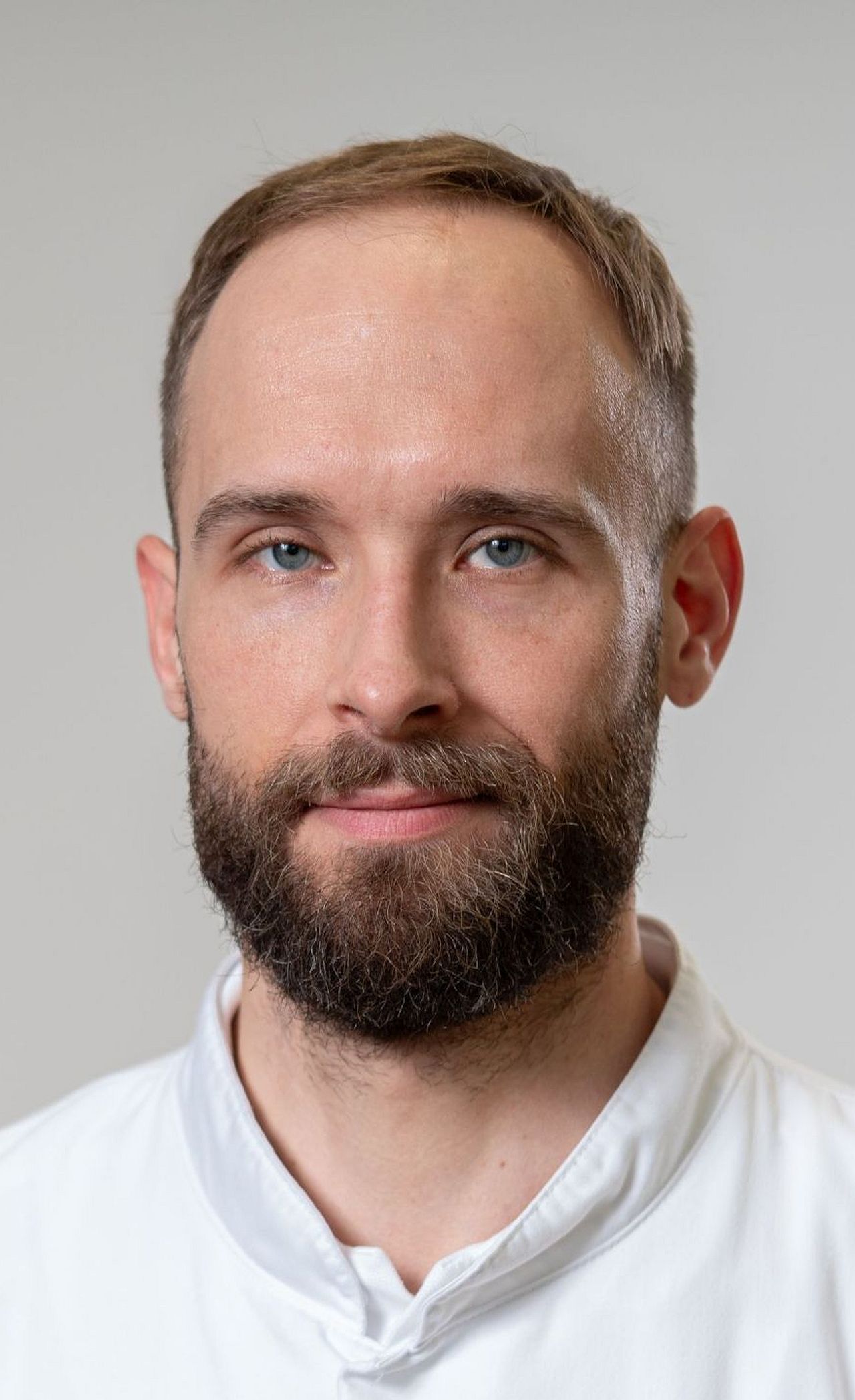
Department of Neurosurgery, University Hospital Carl Gustav Carus Dresden
Dresden, Germany
E-Mail: andrenorbertjosef.sagerer@ukdd.de
Michael Vácha, MUDr. M.Sc.
Harmonizing PET-based Image Analysis for Improved Outcome Prediction in Radiation Oncology
Since positron emission tomography (PET) imaging plays a crucial role in cancer diagnosis and contains information about tumor metabolism, there have been efforts to identify PET-based image biomarkers for treatment personalization and survival prediction. While conventional biomarkers, such as SUVmax, seem to be generalizable, the more complex, radiomic biomarkers often fail in validation. That may be caused by a lack of image harmonization. My aim is to compare the conventional and radiomics approaches within a single study and evaluate whether novel harmonization techniques can improve their reliability. This may lead to workflow optimization and development of new, robust biomarkers.
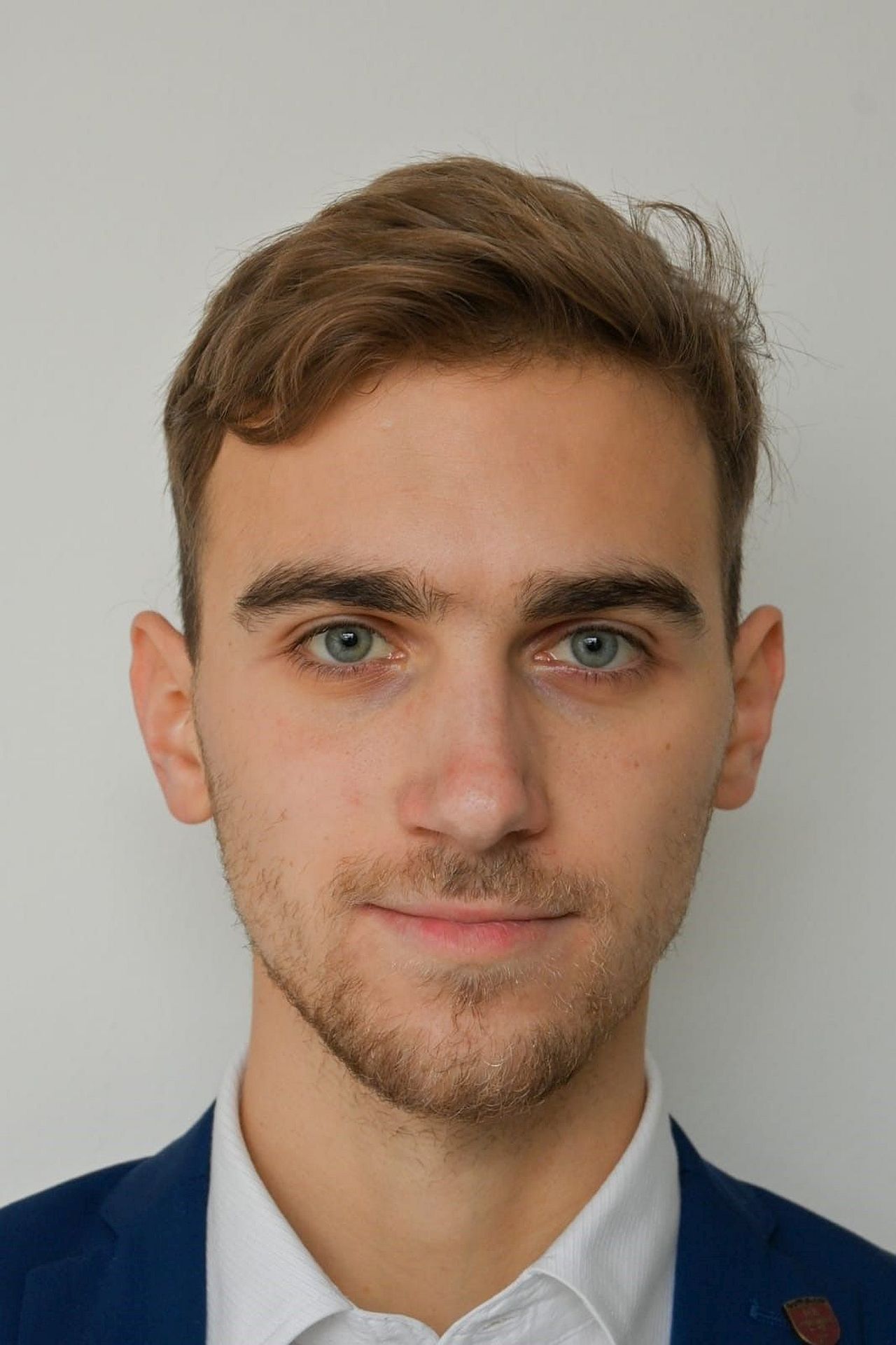
Department of Positron Emission Tomography, Institute of Radiopharmaceutical Cancer Research, Helmholtz Zentrum Dresden Rossendorf & Research Group Modeling and Biostatistics in Radiation Oncology, OncoRay – National Center for Radiation Research in Oncology
Dresden, Germany
E-Mail: m.vacha@hzdr.de
Andrea c. Luna Mass, Dr. med.
Multi-Parameter Approach to Tailored Radioligand Therapy: Optimizing mCRPC Treatment Through Tumor Metrics and Patient Biology
Our study aims to implement algorithmic personalization of radioligand therapy in mCRPC by integrating liquid biopsy ctDNA analysis with conventional biomarkers for dose selection and response evaluation. By correlating circulating tumor DNA dynamics, PSMA expression, and hematological parameters with clinical outcomes, we seek to establish a precision medicine framework for radioligand therapy optimization. This translational approach represents a paradigm shift from standardized dosing toward patient-specific radiopharmaceutical administration, potentially revolutionizing treatment protocols while establishing validated predictive models for therapeutic efficacy.
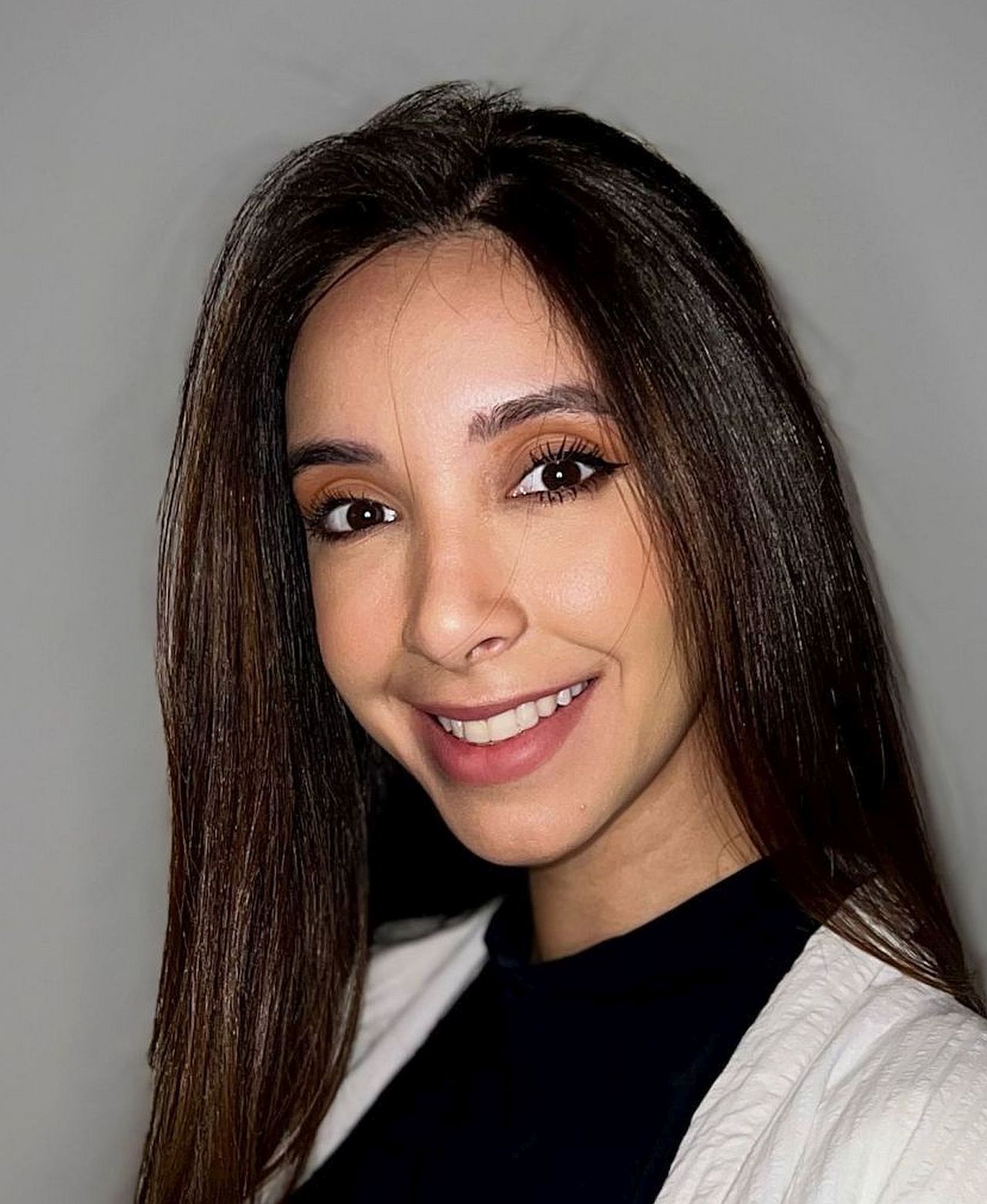
Department of Nuclear Medicine, University Hospital Carl Gustav Carus at the Technische Universität Dresden
Dresden, Germany
E-Mail: AndreaCarolina.LunaMass@ukdd.de
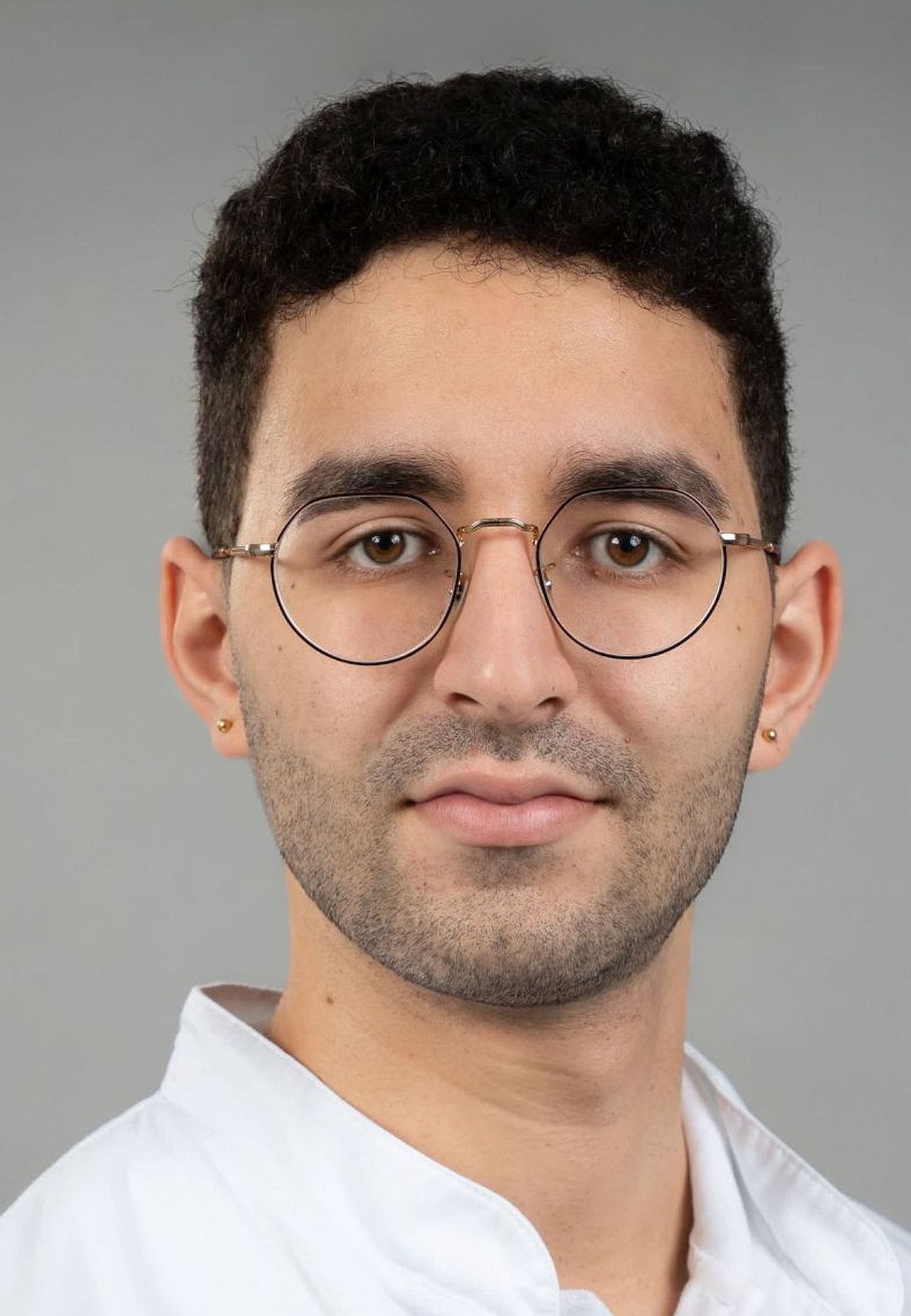
Rayan Younis
Multimodal skill transfer between humans and robots in minimally invasive surgery
In our rapidly changing society, growing surgical staff shortages pose a serious threat to surgical patient care worldwide. Less surgeons face pressure to perform surgery on more patients with decreasing training time. My project aims to digitalize surgical skills with novel sensors in order to improve learning for surgeons and for robots. To achieve this, I acquire multimodal surgical sensor data and use AI to better understand how surgical gestures are performed. With that understanding, I co-develop and validate new assistance systems. My vision is to achieve immersive mentoring that accelerates training and to transfer skills to autonomous robots that alleviate surgical staff shortages.
Department of Visceral, Thoracic and Vascular Surgery, University Hospital Carl Gustav Carus Dresden
Dresden, Germany
E-Mail: rayan.younis@ukdd.de
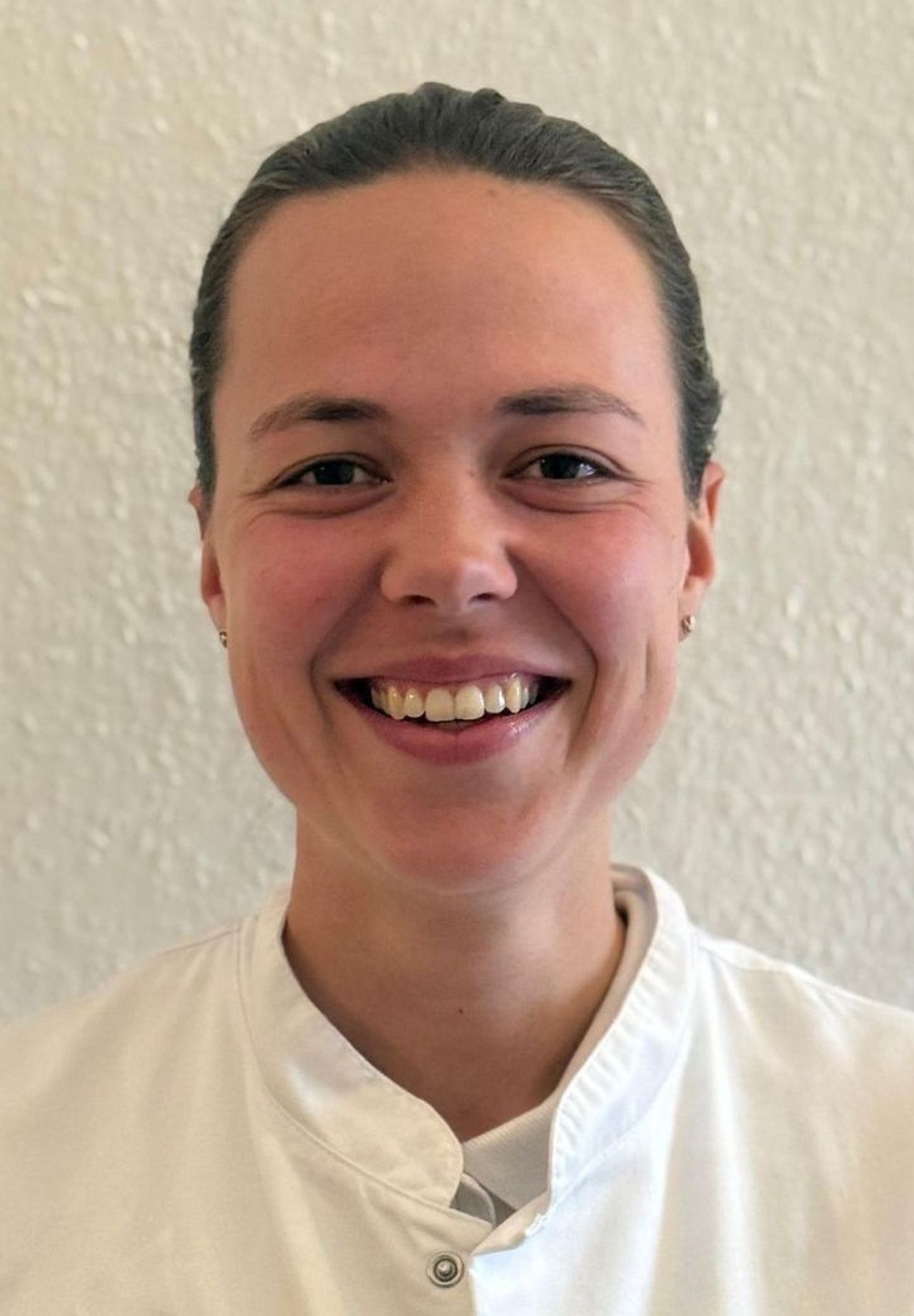
Marlena Hesse, Dr. med.
Quantification of the biodistribution of PET tracers for therapeutically relevant uro-oncological targets
Systemic therapies in oncology are rapidly evolving, enabling targeted and individualized treatment strategies for many urological cancers. This project focuses on noninvasive imaging of tumor-specific targets such as Nectin-4 in uro-oncology using novel 64Cu-PET/MRI tracers. The aim is to improve patient selection, assess intratumoral heterogeneity and monitor therapy response. In addition, correlations with histopathology, including immunohistochemical scoring systems for Nectin-4 expression and microscopic tumor heterogeneity, will be explored. This approach may support personalized treatment strategies and the integration of molecular imaging into clinical uro-oncological care.
Department of Urology
National Center for Tumor Diseases (NCT), NCT Dresden, a partnership between DKFZ and University Hospital Carl Gustav Carus Dresden
Dresden, Germany
E-Mail: marlena.hesse@ukdd.de
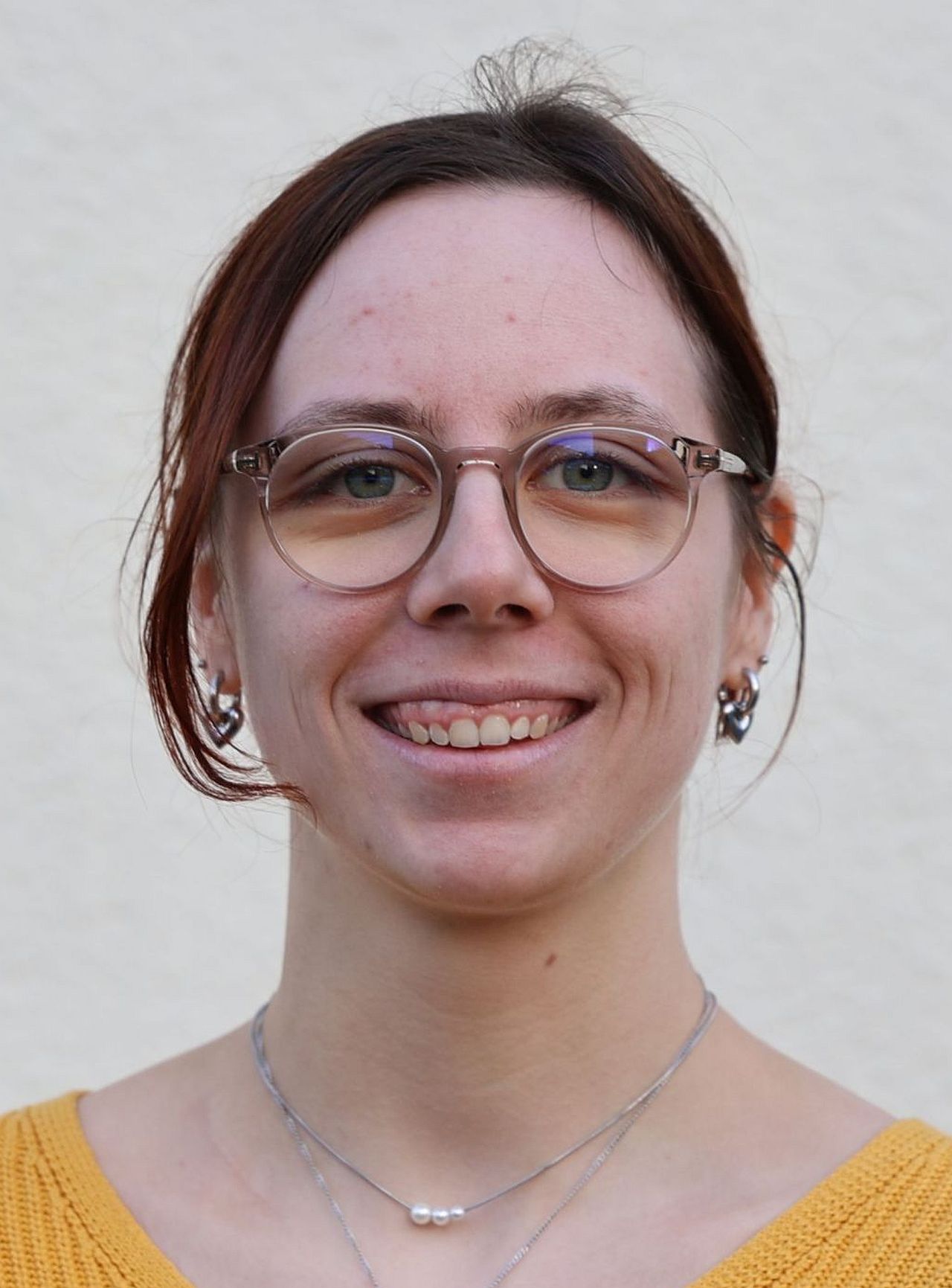
Anna Leimbach
Risk factors of quality-of-life decline and prediction of radiation-induced brain injuries in adult patients with brain tumours
The PhD project investigates risk factors for quality-of-life and neurocognitive decline after cranial radiotherapy in adult brain tumour patients. Using retrospective multicentre data, clinical, dosimetric, and longitudinal MRI parameters will be combined to predict contrast-enhancing brain lesions, their progression, and related symptoms. The aim is to develop validated models for early identification of high-risk patients and to evaluate LET/RBE-optimized treatment planning strategies to reduce late toxicity.
Department: OncoRay, Dresden University Hospital
Dresden, Germany
E-Mail: anna.leimbach@ukdd.de
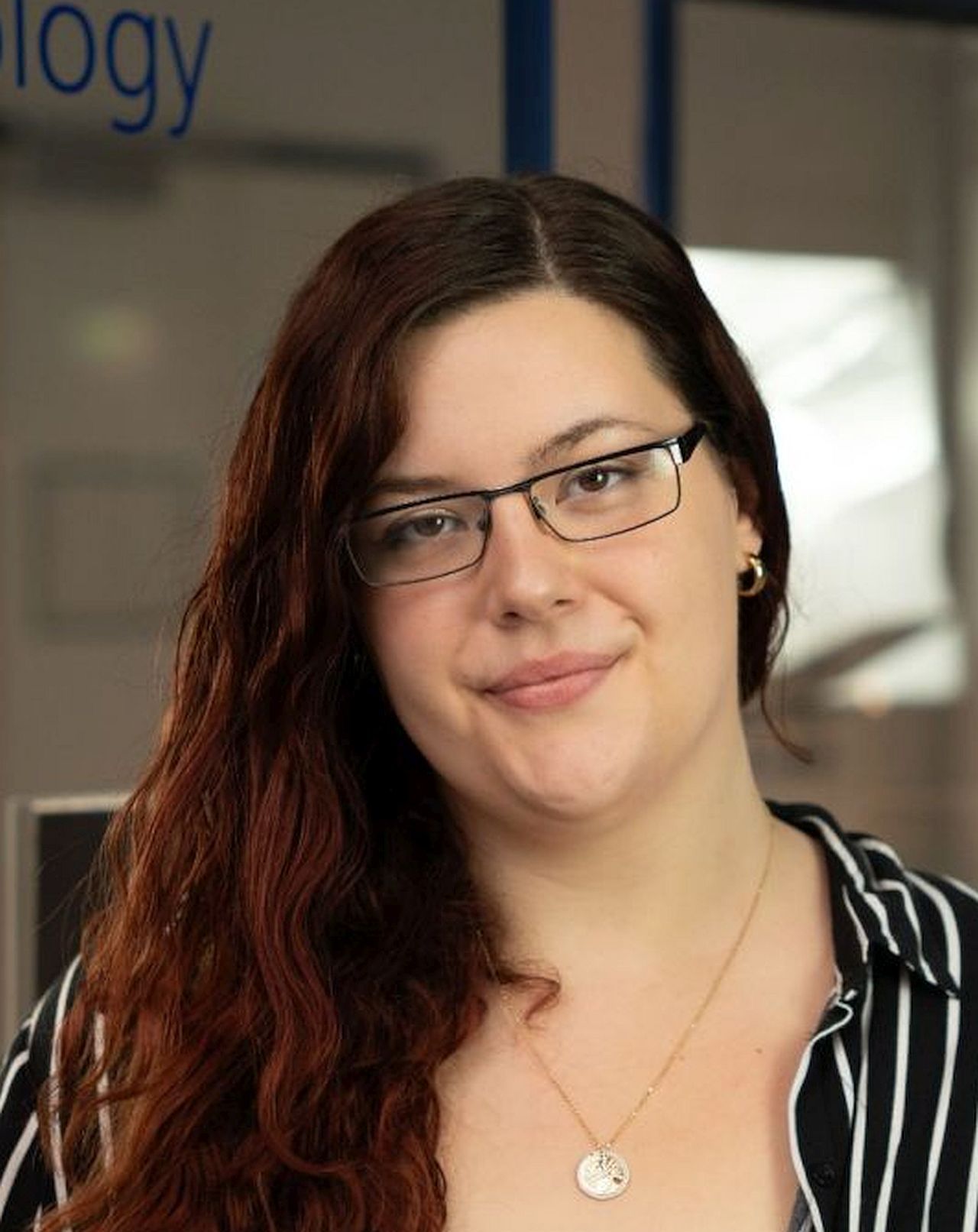
Mandy Petzold
Development of robust culture protocols and AI-based image analysis algorithms for uro-oncological tissue slices for therapy development
My PhD project aims to establish patient-derived uro-oncological tissue slice cultures as translational ex vivo models for therapy development. The goal is to develop a patient-oriented testing platform that enables a more clinically relevant evaluation of tissue preservation, drug response, and therapeutic strategies. The project combines static and dynamic long-term culture approaches, including microphysiological systems, with histological and functional readouts. In parallel, standardized image analysis workflows and AI-supported evaluation algorithms are developed to enable reproducible assessment of tissue morphology, viability, proliferation, apoptosis, and therapy response.
Institute of Pathology, University Hospital Dresden
Dresden, Germany
E-Mail: mandy.petzold@ukdd.de
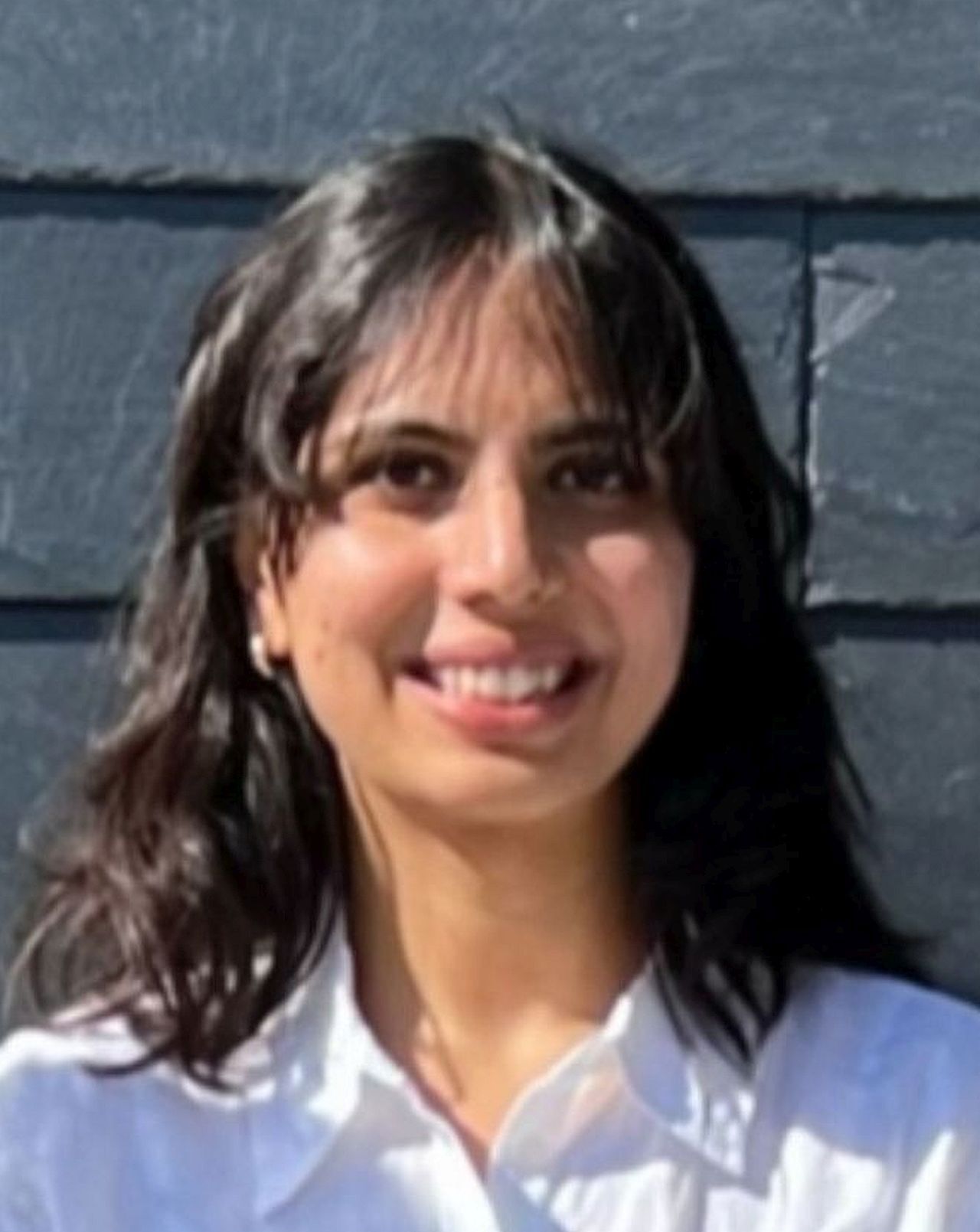
Bhoomika Subramani
Development of an AI-Based Clinical Decision Support System for Radiotherapy Toxicity Prediction in Brain Tumor Patients
Brain tumors pose unique challenges due to their complexity and impact on quality of life. Radiation therapy is effective for tumor control, but exposure of healthy tissue is often unavoidable and can lead to significant side effects. Proton beam therapy offers a promising alternative to conventional photon therapy by reducing dose to surrounding healthy tissue. Although predictive models such as NTCP can support this treatment selection, their use in routine clinical practice is still limited. My aim is to develop a clinical decision support system (CDSS) that integrates AI-based predictive models to estimate treatment-related effects in patients with primary brain tumors following radiotherapy, supporting shared decision-making and more personalized treatment selection.
Department of OncoRay – National Center for Radiation Research in Oncology
Research Group: Modeling and Biostatistics in Radiation Oncology
Dresden, Germany
E-Mail: bhoomika.subramani@ukdd.de
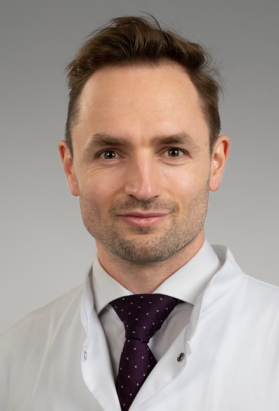
Maximilian Winkelkotte, Dr. med.
Establishment of ex-vivo (multi) tissue culture in micro-physiological systems to comprehend tumor microenvironment, eKicacy of system therapy and drug interaction
Cancer research remains mostly based on in vitro and in vivo setups – both of which have inherent limitations. While in vitro cell cultures fail to adequately represent heterogenous cell populations and the native extracellular matrix, in vivo models oKer only limited transferability from animal systems to humans. The establishment of ex vivo tissue cultures aims to enable the incubation of authentic tumor tissue under static or dynamic conditions, allowing for the analysis of the tumor microenvironment, as well as treatment eKicacy and pharmacokinetics.
Department of Urology, University Hospital Carl-Gustav Carus
Dresden, Germany
E-Mail: maximilian.winkelkotte@tu-dresden.de