Freiburg
The DKTK partner site Freiburg, together with the Comprehensive Cancer Center Freiburg (CCCF), has established a successful and state-of-the-art structure for translational cancer research with several research areas and interdisciplinary collaborations. This enables results from preclinical research to be rapidly transferred to early clinical trials and ultimately to clinical application. Early clinical trials are conducted as part of the DKTK Joint Funding Program, among other initiatives.
The site is characterized by a high level of expertise in the areas of oncogenic signaling, epigenetics, oncological imaging, and systems medicine, as well as special expertise in the field of onco-immunoescape. The site's capabilities are also reflected in its coordination of numerous research networks, such as “SFB 1479 – Oncogene-driven immune escape of cancer cells” and “SPP 2177 – Radiomics: Next generation of biomedical imaging.”
Oncogene signaling has been a long-standing focus of research at the DKTK partner site Freiburg. The focus is on investigating kinase-, phosphatase-, and protease-controlled signaling networks as well as RAS signaling with the aim of identifying rationally combined targeted therapy combinations. The analysis of the interaction between RAS-activating mutations and kinase-inactivating BRAF mutants forms the basis for the early clinical study “SoraTram.” This is a prospective study on combined CRAF and MEK inhibition in advanced malignant diseases that exhibit BRAF mutations with reduced kinase activity. The study is being coordinated in close collaboration between Freiburg researchers and the Molecular Tumor Board (MTB) of the CCCF and is being conducted jointly with all eight DKTK partner sites.
In 2019, the Institute for Medical Bioinformatics and Systems Medicine was founded at the Medical Faculty of the University of Freiburg. The institute focuses on the analysis, integration, and interpretation of high-throughput data in a clinical context, including the development of clinical decision support systems (CDSS). The institute supports the DKTK partners in Freiburg with bioinformatic expertise and has also established numerous collaborations between the various DKTK partner sites. It promotes innovative molecular diagnostics through the development and provision of analysis pipelines for next-generation sequencing (NGS) data and works closely with partners in the MIRACUM medical informatics initiative consortium and the Center for Personalized Medicine (ZPM).
The work of the MTB results in therapy recommendations for patients who are treated with targeted and immunological therapies for recurrences outside the guidelines. In addition, several early clinical studies have already emerged from the MTB. The Freiburg MTB works closely with the MTBs at other DKTK partner sites. DKTK researchers in Freiburg are also investigating new, non-canonical classes of mutations in cancer – from functional characterization to relevance for clinical decisions.
Epigenetic cancer research at the DKTK partner site Freiburg aims to identify disrupted epigenetic signaling pathways in cancer cells and uncover therapeutically exploitable vulnerabilities. To this end, epigenetic drug targets are characterized, new epigenetic compounds are developed, and clinical trials are initiated. Important areas of focus include myeloid diseases such as myelodysplastic syndrome and acute myeloid leukemia, juvenile myelomonocytic leukemia, and myeloproliferative neoplasms. In addition, epigenetic mechanisms in solid tumors are being investigated, including prostate and colon cancer, kidney cancer, urothelial carcinomas, and lung adenocarcinomas. Multicenter clinical trials (Phase I/II) have been initiated for several of these tumor entities. In addition, the UcarE project strengthens the translational implementation of new epigenetic and molecular approaches, particularly in the field of urothelial carcinoma, by identifying clinically relevant epigenetic vulnerabilities, establishing new model and organoid systems, and developing personalized epigenetics-based therapy concepts for patients.
Another key area of research at the site is the investigation of mechanisms of oncogene-driven immune escape (onco-immunoescape). This work is based on the hypothesis that oncogenic signaling pathways and mechanisms of immune evasion are closely linked and can jointly contribute to the suppression of antitumor immune responses. Researchers at the site identify molecular signaling pathways through which tumor cells evade detection and elimination by the immune system and develop therapeutic strategies based on these findings that overcome immune escape and strengthen antitumor immune activity. This includes the analysis of immunomodulatory surface molecules, immune checkpoint regulators, and inflammatory signaling mechanisms, as well as their influence on T cell and myeloid cell responses in the tumor microenvironment. Preclinical results from this area of research are incorporated into new drug combinations and clinical trial concepts that aim to improve the potential effect of immunotherapeutic approaches in solid tumors and hematological neoplasms and to overcome resistance mechanisms. These translational activities are coordinated within the framework of SFB 1479, among others, and contribute to the development of innovative immuno-oncological therapy concepts.
The DKTK partner site Freiburg is also one of the leading institutions in the field of radiology, nuclear medicine, and radiation oncology. A particular focus is on the development and evaluation of novel oncological imaging techniques, including MRI and PET/CT procedures, as well as the development and application of innovative radiopharmaceuticals for imaging and therapy. Radiology and nuclear medicine in Freiburg operate state-of-the-art imaging facilities for the rapid translation of new procedures into clinical routine (e.g., DWI- or CT-based perfusion imaging) and implement IT-based post-processing techniques such as artificial intelligence and deep learning algorithms in clinical applications. Another key focus is high-precision radiation therapy guided by biological imaging and the modulation of radiation sensitivity and resistance, including in combination with immunotherapies. Radio-oncology, as a central department of the DKTK and CCCF, is conducting several national and international studies in this area.
Further information on the DKTK partner site in Freiburg can be found here.
Institutions
Spokesperson & Deputy Freiburg

Prof. Dr. Dr. Melanie Börries
DKTK Deputy Spokesperson
Director of the Institute of Medical Bioinformatics and Systems Medicine
University Hospital Freiburg
DKTK Professorships
Prof. Dr. Marc Timmers
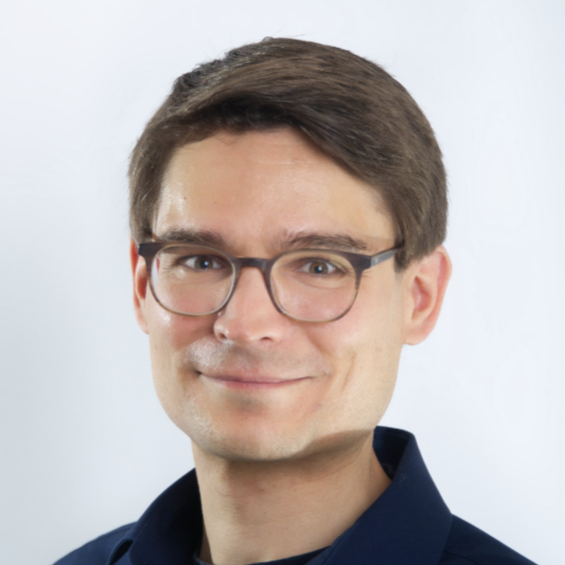
Prof. Dr. Matthias Eder
DKTK Associated Professorships