30/10/2026
Print PageScience meets Industry Day 2026: Strengthening Collaboration between Academia and Industry
The exchange started already on the day before the actual meeting, when industry participants were invited to explore research and clinical infrastructures on the Heidelberg campus during a guided site visit. The program included the Heidelberg Ion Beam Therapy Center (HIT), the Drug Screening Unit at the Hopp Children's Cancer Center Heidelberg (KiTZ), and the new KiTZ building. A networking dinner provided an additional opportunity for informal discussions and personal connections ahead of the main event.
Setting the Scene
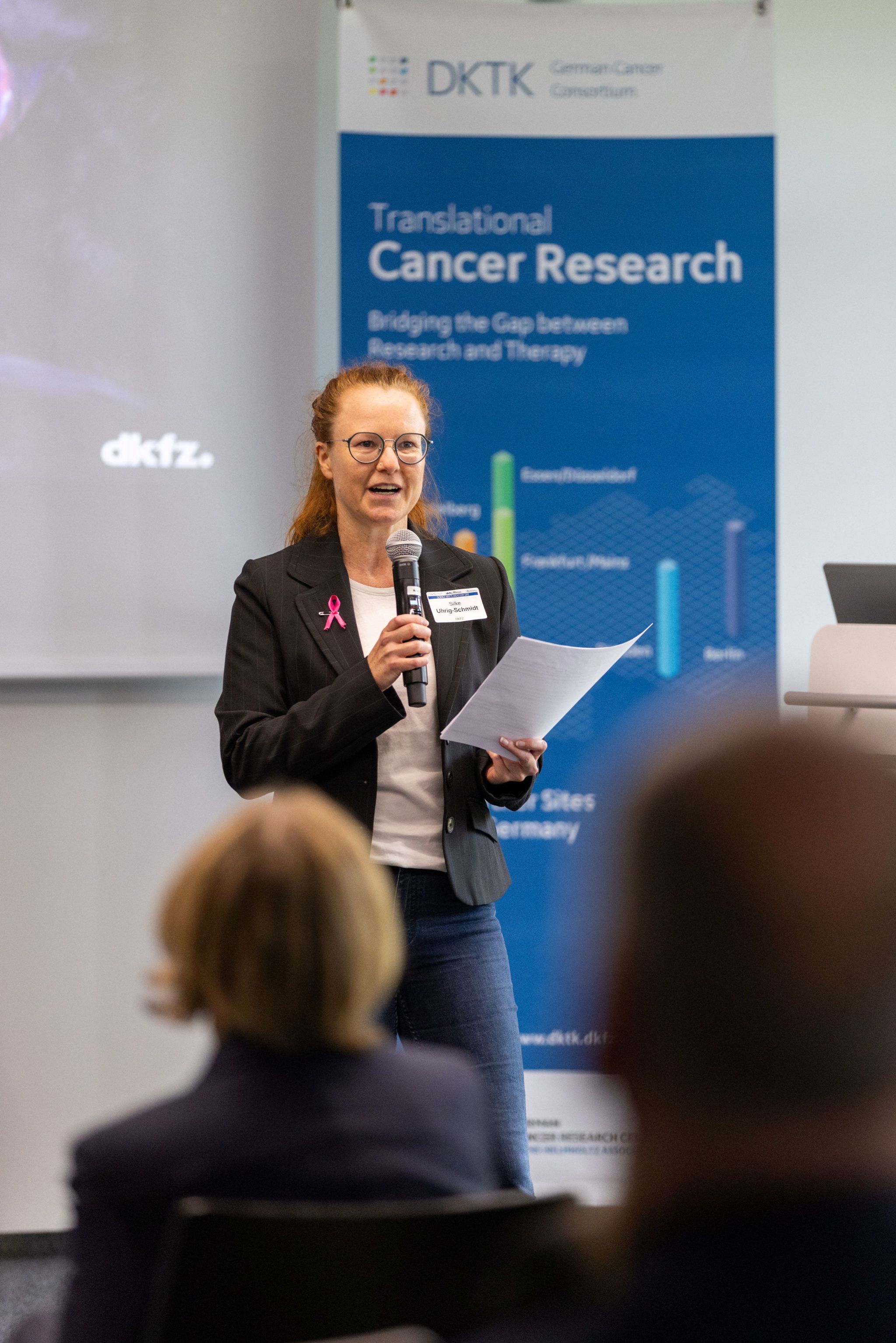
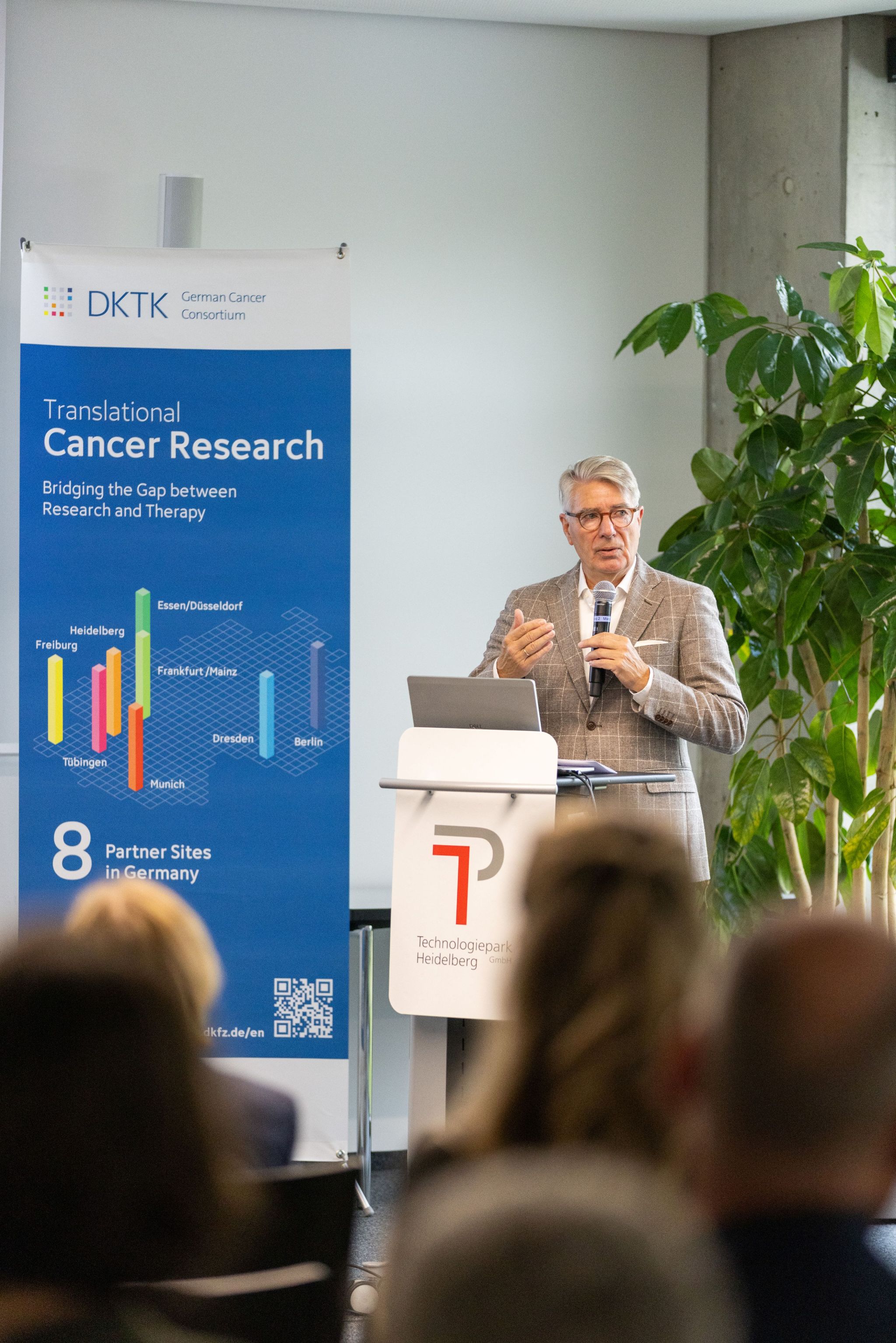
Prof. Melanie Börries, Deputy Spokesperson of the DKTK, welcomed participants and highlighted the importance of bringing together academic and industry expertise. Opening the scientific program, Prof. Stefan Pfister, Spokesperson of the DKTK, emphasized Germany's strong cancer research infrastructure, including the Comprehensive Cancer Centers (CCCs), DKFZ, DKTK, and the National Center for Tumor Diseases (NCT). He presented DKTK activities supporting translation, such as the DKTK Joint Funding program, newly introduced pump-priming projects, cross-site working groups, and activities promoting entrepreneurship and early-career researchers. "Germany has built a good infrastructure for cancer research. However, our challenge is to translate scientific discoveries into clinical applications more efficiently. Strong partnerships with industry and continuous dialogue are essential to achieving this," emphasized Stefan Pfister.
Han Steutel, President of the vfa, stressed the need for earlier dialogue and mutual trust between academia and industry. "Brilliant scientific ideas need to reach patients. To make this happen, academia and industry must engage much earlier, build mutual trust, and work together to overcome barriers," said Han Steutel.
Both speakers highlighted the challenges of translating scientific discoveries into clinical applications, including regulatory complexity, lengthy development processes, and international competition. Strengthening public-private partnerships and accelerating clinical research were identified as shared priorities.
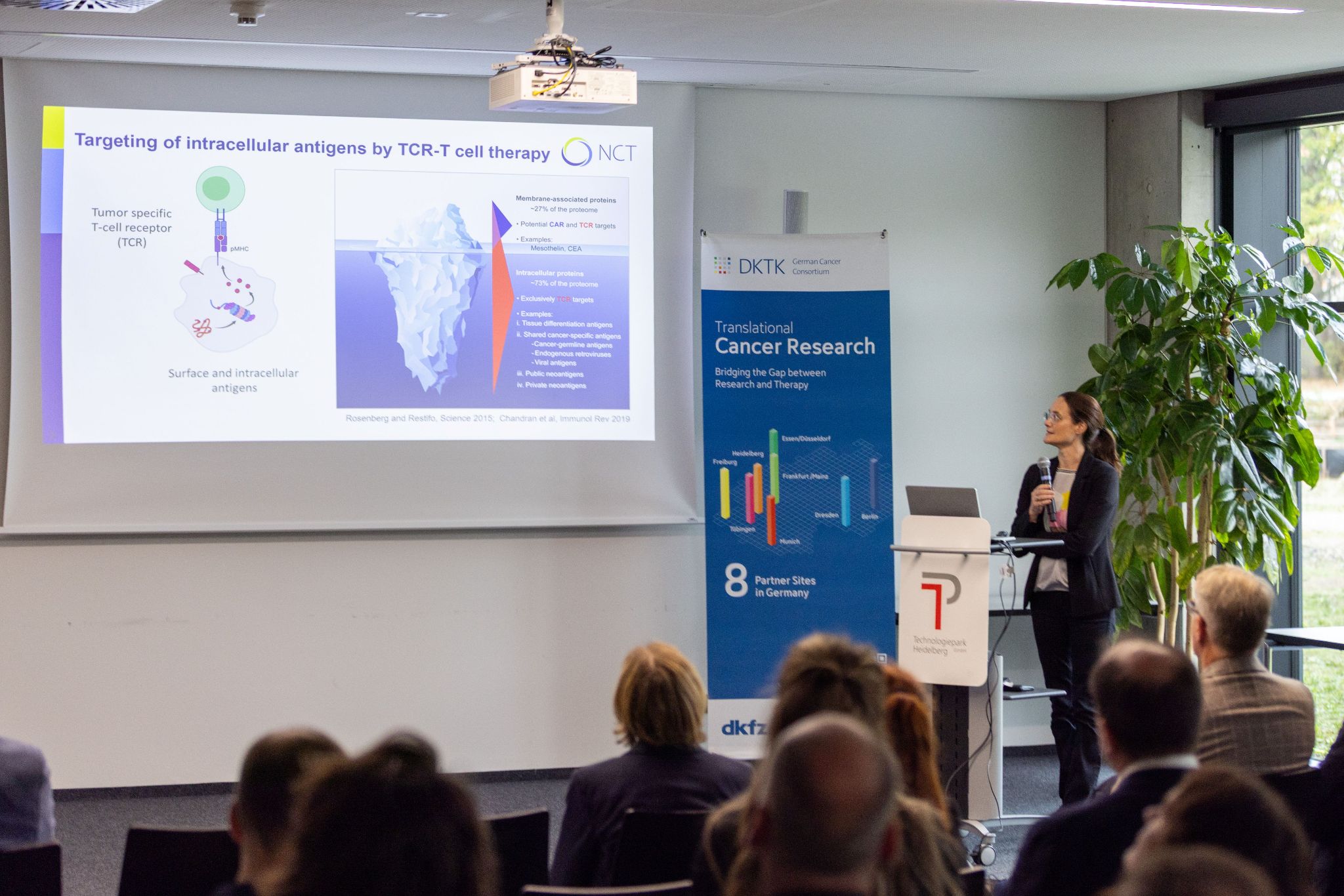
A practical example of academic translation was presented by Dr. Antonia Busse from the NCT. Using the ToMA4TA project, she illustrated the development of innovative T-cell receptor therapies from DKTK to NCT and the challenges involved in bringing promising approaches into early clinical testing.
What Industry Looks for?
Responding to feedback from the previous meeting, a dedicated session explored what pharmaceutical companies look for in academic partnerships. Dr. Niko Andre from AstraZeneca emphasized that scientific excellence alone is not sufficient to translate discoveries into successful innovations. "Germany has outstanding scientific expertise, but excellence alone is not enough. Quality, speed, scalability, reliability and return are equally important and would be on our wish list as well," emphasized Niko Andre. Ralf Angermund from Johnson & Johnson highlighted the need for robust, reproducible research, clear development strategies, and partnerships established early enough to shape promising projects. Both perspectives underlined a common message: academia and industry bring complementary strengths, and closer collaboration is essential.
Research Projects in the Spotlight
A research pitch session showcased three promising translational projects to address unmet clinical needs from DKFZ and DKTK, offering researchers the opportunity to present their approaches directly to industry representatives and receive feedback.
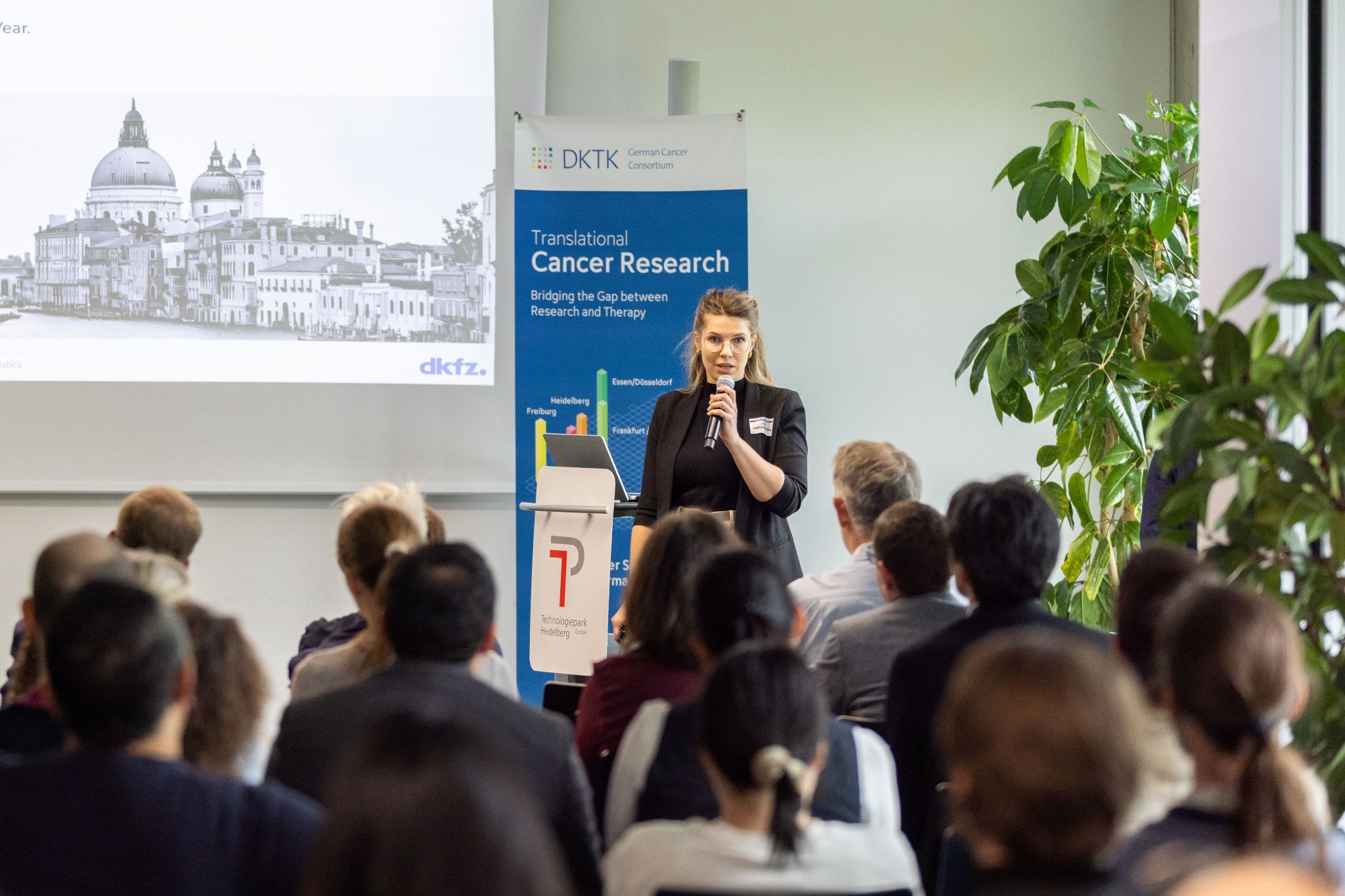
- CONSOLIDATE (Dr. Celia Dobersalske and Prof. Björn Scheffler, DKTK Essen/Düsseldorf): Developing a novel cellular immunotherapy for glioblastoma based on immune cells associated with the skull bone marrow, with the aim of creating new treatment opportunities for this difficult-to-treat brain tumor.
- DrugSeq Solutions (Dr. Emma Phillips, DKFZ Heidelberg): Introducing a single-cell technology that measures drug uptake and cellular responses simultaneously, helping researchers distinguish genuine drug resistance from insufficient drug delivery into tumor cells.
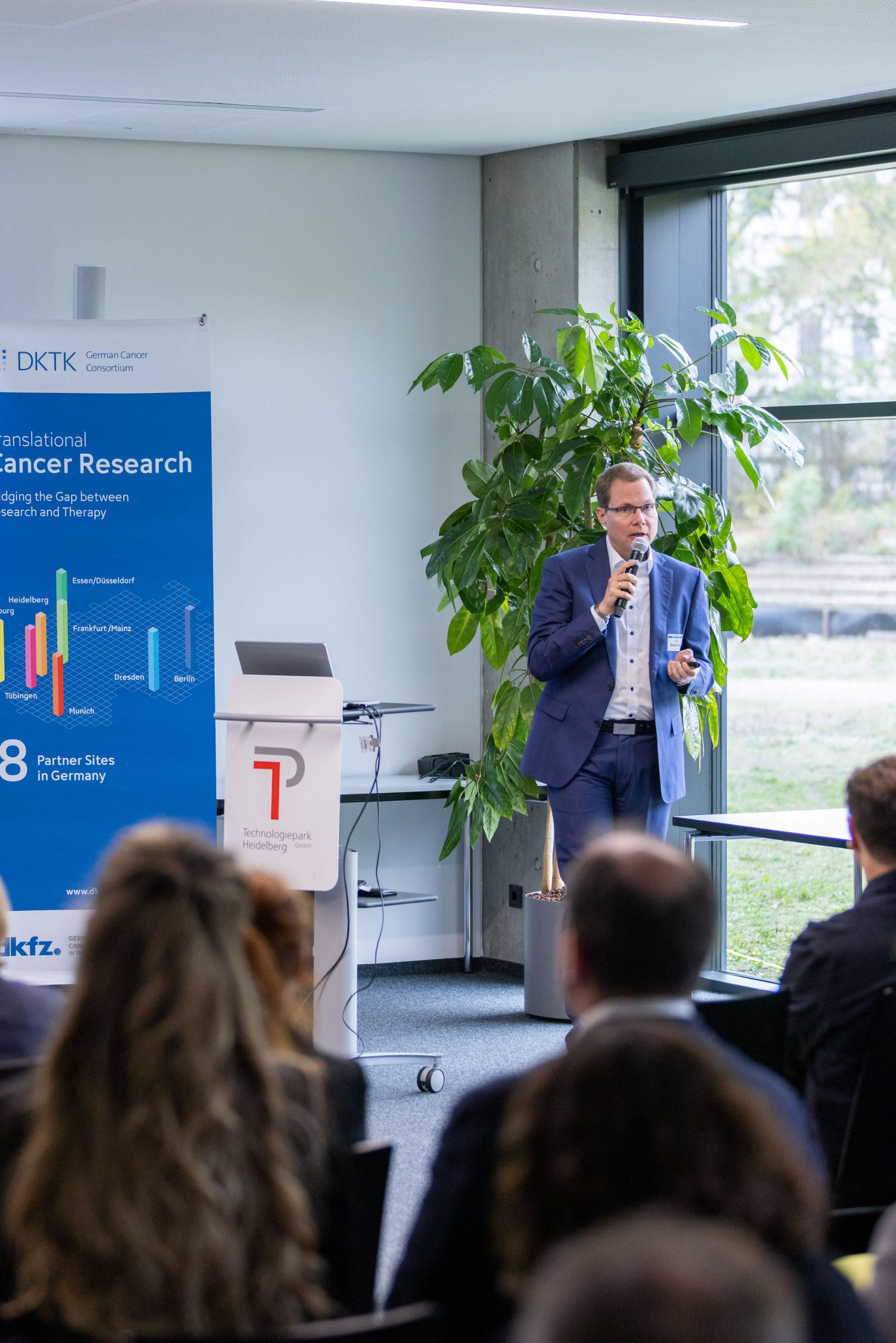
- ResistMut (Prof. Sven Diederichs, DKTK Freiburg): Using high-throughput functional genomics to identify cancer-associated mutations that influence drug sensitivity and resistance, supporting more precise treatment selection and drug development.
Connecting Career Paths
How can researchers gain insights into both academic and industrial research environments? Dr. Mariana Schulte-Sasse from the DKFZ Cancer Research Academy and Dr. Matthias Meergans from the vfa presented concepts for industry placements as part of career development programs for clinician scientists and postdoctoral researchers. The aim is to promote career opportunities beyond academia and encourage mobility in both directions – from academia to industry and back. Alongside the benefits of gaining first-hand experience in pharmaceutical research and development, the speakers addressed practical challenges such as finding the right timing, coordinating placements with academic supervisors, and bridging different organizational cultures.
Open Discussion on Challenges
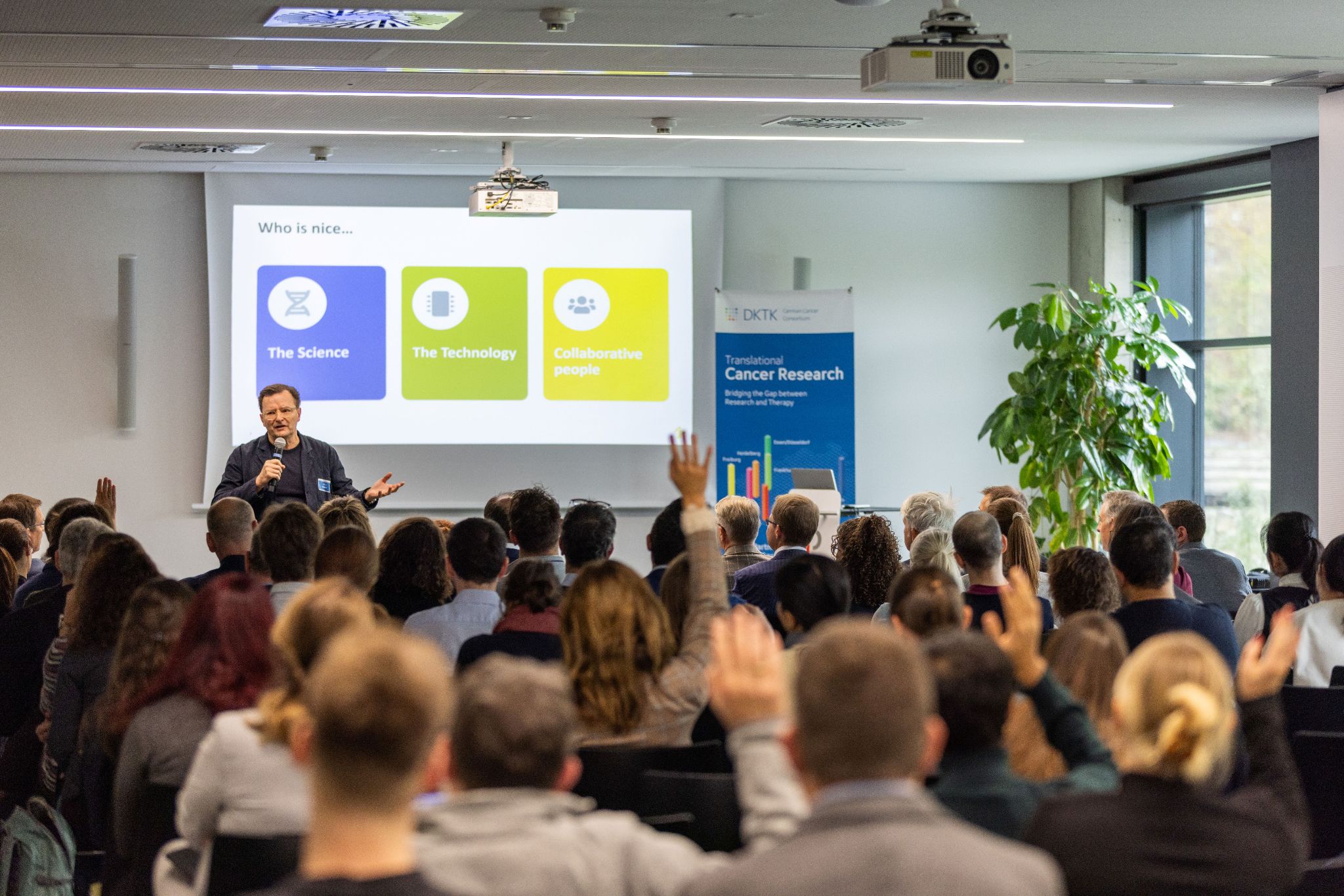
An interactive fishbowl discussion moderated by Dr. Tim Flink from the vfa provided space for an open exchange on barriers to successful academia-industry collaboration. Participants addressed topics such as differing organizational cultures and expectations, the transition from preclinical to clinical development, intellectual property, regulatory requirements, and partnership governance.
The discussion highlighted the importance of transparency, realistic expectations, and early communication. Participants also explored how academic and industrial partners could better align their objectives and identify opportunities for collaboration at an earlier stage.
Continuing the Dialogue
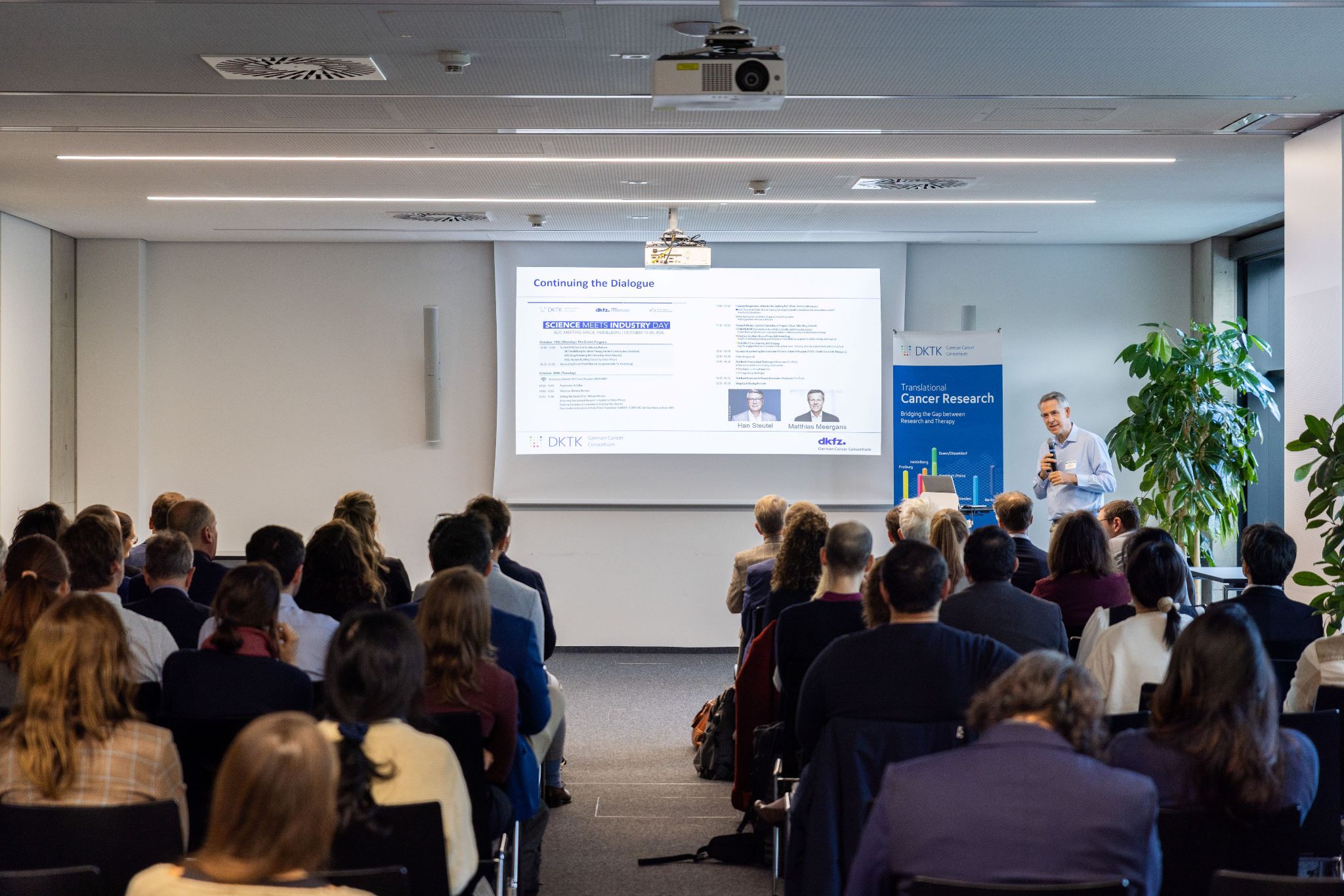
In their closing remarks, Stefan Pfister and Matthias Meergans emphasized the importance of turning the day's discussions into lasting partnerships. Further work on a white paper addressing public-private partnerships, improved networking opportunities, and closer links between academic researchers and industry experts were identified as important next steps. "Bringing the right people together is essential for successful translation. Personal relationships and mutual understanding help us identify and pursue opportunities for collaboration," said Stefan Pfister.
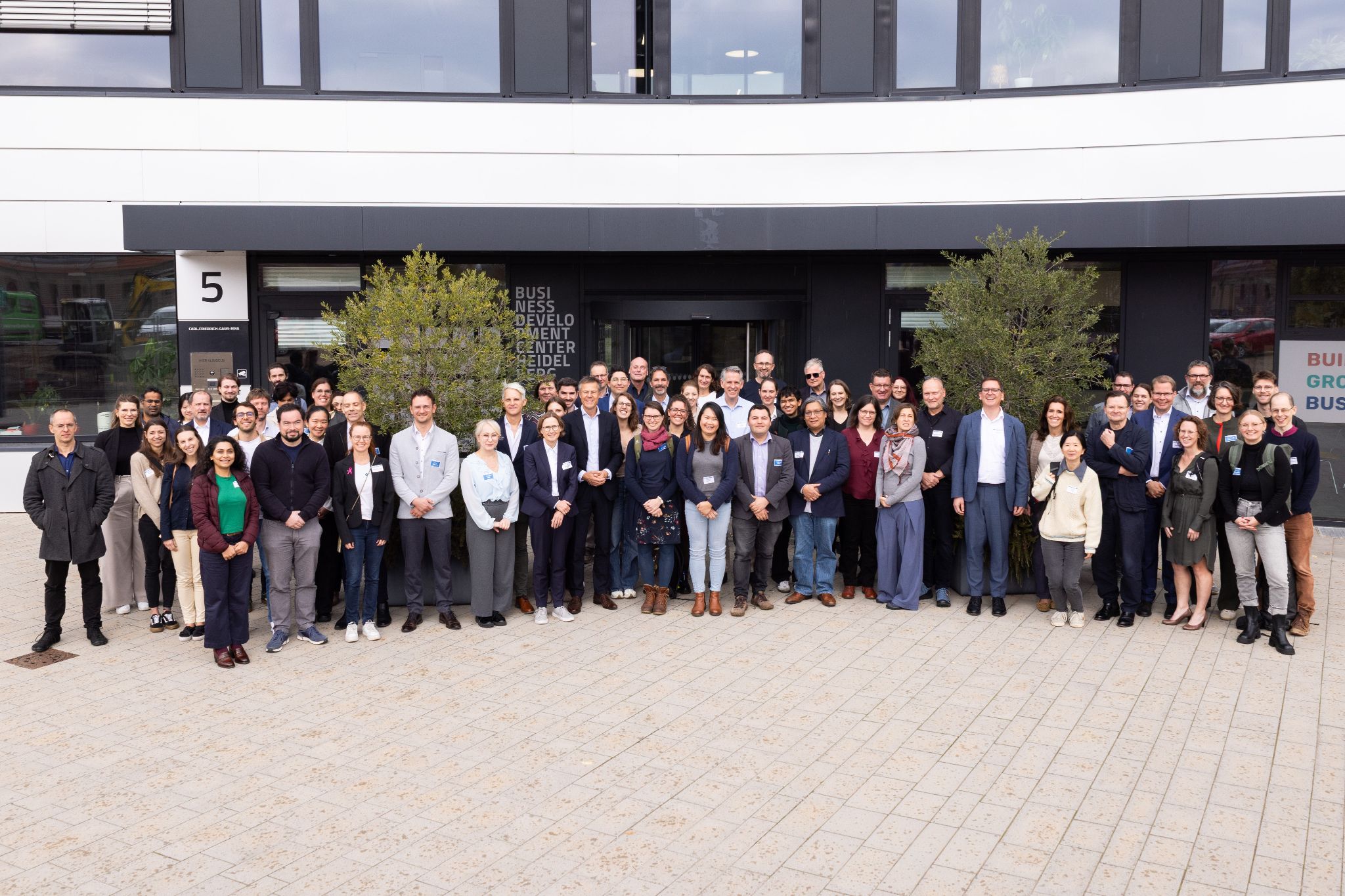
The dialogue does not end here. Building on the momentum of the first two events, DKTK, DKFZ, and vfa aim to continue Science meets Industry Day as a regular platform to exchange perspectives, develop ideas, and initiate collaborations.
© Marius Stark Foto&Video, Neri Kranz Photograph