22/07/2026
Print PageEarly-Career Researchers Advance Translational Cancer Research in Heidelberg
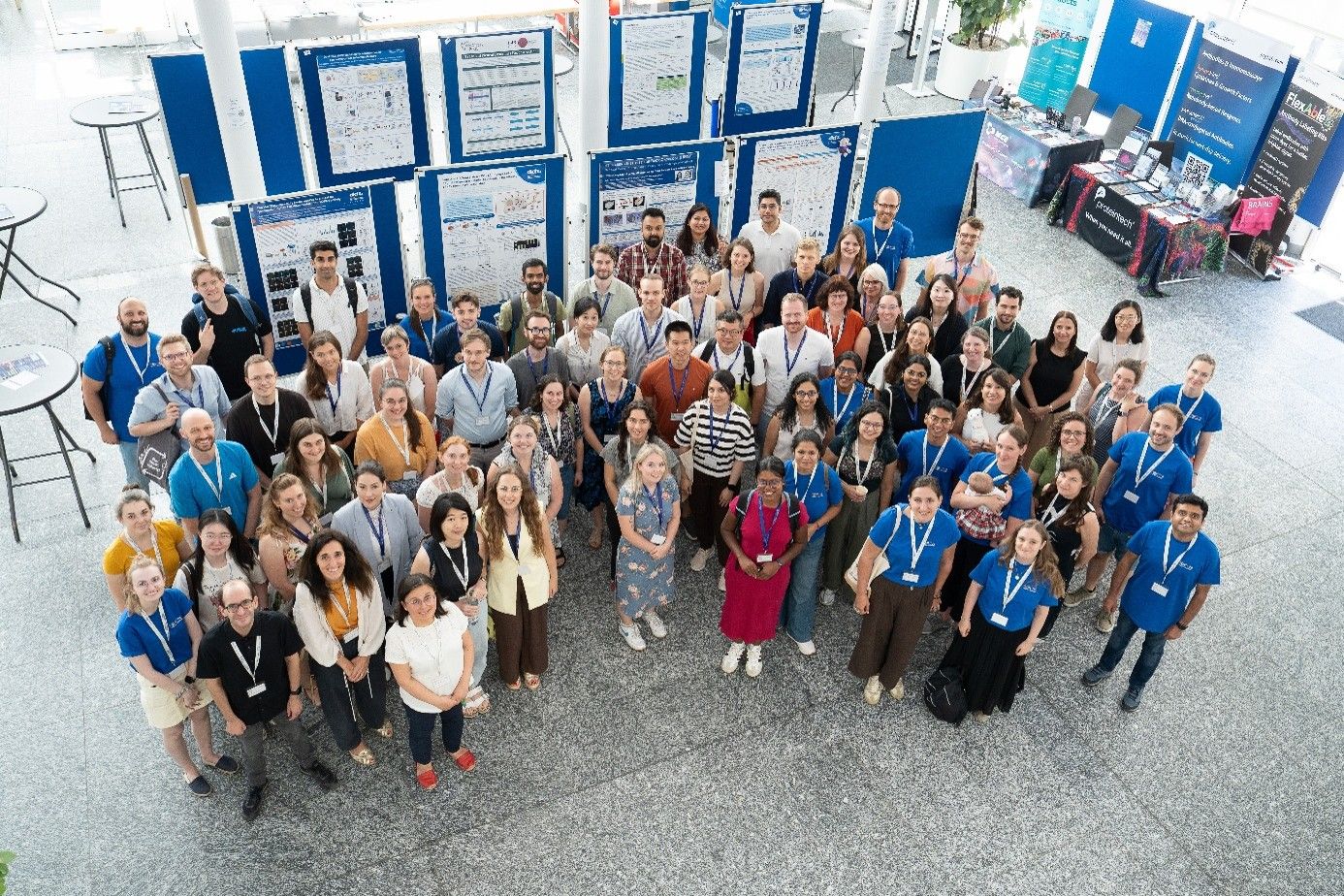
On 10 July 2026, the Heidelberg PostDoc Symposium 2026 was held in conjunction with the DKTK Young Academics Conference in the Lecture Hall of the Communication Center at the German Cancer Research Center (DKFZ) in Heidelberg. The joint event provided early-career researchers with a platform to present their work, discuss emerging scientific developments and build connections across disciplines and institutions.
The programme reflected the breadth of contemporary biomedical and translational cancer research. Eleven short talks and 20 poster contributions addressed topics ranging from precision oncology, tumour immunology and novel therapeutic strategies to molecular tumor characterisation, multi-omics and computational research. Further contributions explored artificial intelligence, advanced imaging and modelling approaches as well as cancer prevention, public health and clinical translation. Together, they illustrated how the integration of experimental, computational and clinical perspectives can help translate scientific discoveries into benefits for patients.
Two keynote lectures complemented the contributions. Dr. David Gfeller, Associate Professor at the University of Lausanne and affiliated with the Ludwig Institute for Cancer Research and the SIB Swiss Institute of Bioinformatics, presented “Deciphering TCR specificity one epitope at a time”. His lecture highlighted computational and experimental approaches for investigating T-cell receptor specificity and interactions between immune and cancer cells.
In the second keynote lecture, “Senescence, metabolism, and immune-based strategies for therapy-resistant cancer cells”, Dr. Inmaculada Martínez-Reyes, DKTK Young Investigator Group Leader, partner site Berlin at Charité – Universitätsmedizin Berlin, discussed how metabolic networks shape anti-tumour immunity, treatment response and cancer relapse. Her presentation outlined perspectives for developing precision immunometabolic strategies against therapy-resistant cancer cells.
The short-talk sessions, poster pitches and poster discussions created numerous opportunities for scientific dialogue and constructive feedback. By bringing together researchers from different fields and career stages, the event strengthened interdisciplinary exchange and supported the formation of new professional networks. The award ceremony recognised outstanding short-talk and poster presentations.
The Heidelberg PostDoc Symposium 2026 and the DKTK Young Academics Conference once again demonstrated the importance of giving early-career researchers visibility and an active role in shaping the future of translational cancer research.
We thank all participants, short-talk and poster presenters, keynote speakers and members of the organising teams as well as sponsors for their contributions and commitment to an inspiring day of science, discussion and networking.