09/01/2026
Print PageERC Consolidator Grant for Prof. Ekin Demir
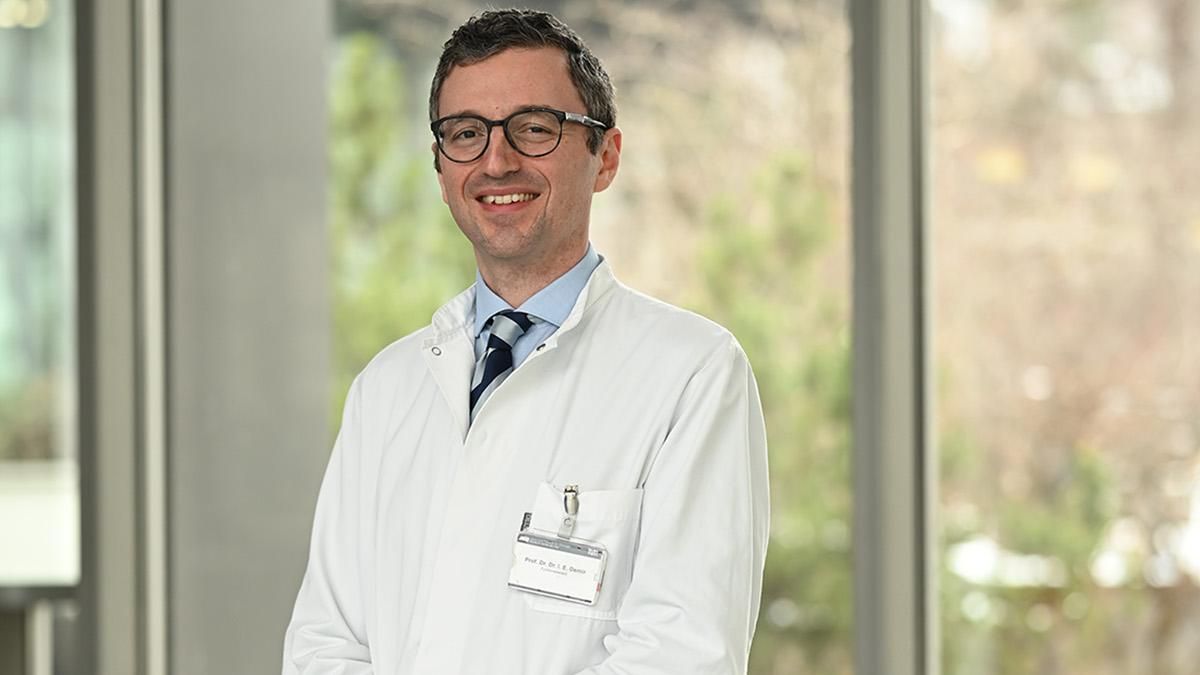
The basis of Prof. Ekin Demir’s SYNAPSE-ON-CANCER project is a surprising discovery made by his team: pancreatic cancer connects to the nervous system and uses its signals for its own growth via so-called pseudosynapses. Through these pseudosynapses, tumor cells receive the neurotransmitter glutamate, which triggers various growth-promoting processes. Demir now aims to investigate in detail how nerve cells grow into the tumor, how the pseudosynapses are formed, and what exactly happens at the molecular level. He assumes that genuine neuron–cancer networks develop in pancreatic tumors. In addition to gaining a better understanding of the underlying mechanisms, Demir also wants to make them useful for the treatment of patients. Using bioinformatic methods, he is searching for approved drugs that, in addition to their original function, can also block pseudosynapses.
Prof. Ekin Demir is a Faculty member at the DKTK partner site Munich, a member of the TUM School of Medicine and Health, and Senior Consultant at the Department of Surgery at TUM University Hospital. Since 2021, he has held the Else Kröner Clinician Scientist Professorship “Translational Pancreatic Surgery.”
SOURCE: TUM Klinikum Rechts der Isar